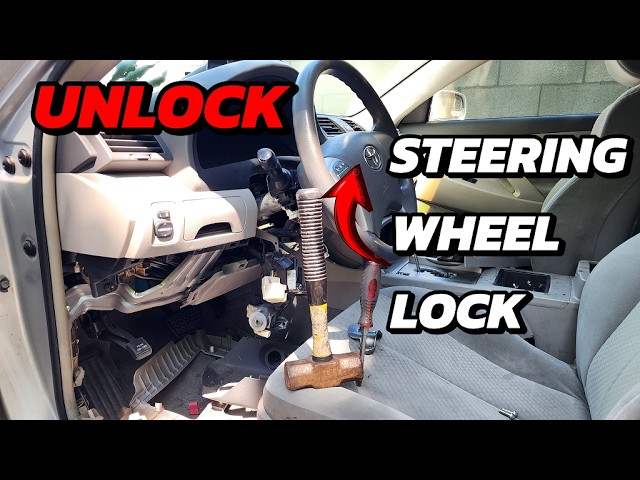
Imagine this: you’re running late for an important meeting, you rush to your car, turn the key, and suddenly, you’re stuck. The steering wheel won’t budge.
Panic sets in as you realize the steering wheel lock is engaged, and you have no idea how to fix it. It’s a frustrating situation, isn’t it? But fear not, because you’re not alone, and there’s a simple solution. In this guide, you’ll discover how to remove the steering wheel lock quickly and easily, so you can get back on the road without any stress.
By the end of this article, you’ll be equipped with the knowledge to tackle this common car issue confidently. Let’s dive in and get you moving again!
What Causes Steering Wheel Lock
Steering wheel lock occurs due to the ignition system’s anti-theft feature. It engages when the wheel is turned with the engine off. Understanding how to remove the lock helps in smoothly regaining control of your vehicle.
What Causes Steering Wheel Lock? Understanding why your steering wheel locks can prevent frustration. This feature is a safety measure in most cars. It activates to deter theft and ensure safety. But sometimes, it can cause inconvenience. Knowing the reasons behind a steering wheel lock helps in addressing it effectively.
Improper Key Position
The steering wheel might lock due to the key position. If the key isn’t turned fully, the lock may engage. This happens often if you’re in a rush. Always check if the key is in the correct position.
Ignition Cylinder Issues
Problems with the ignition cylinder can lock the wheel. Wear and tear or dirt can cause malfunctions. Regular maintenance can keep the ignition cylinder in good condition. A faulty ignition can lead to unexpected lock-ups.
Automatic Lock Feature
Some cars have an automatic lock feature. This engages when the steering wheel is moved without the key. It’s designed to prevent theft. But it can be inconvenient if activated unintentionally. Be aware of your car’s features to avoid surprises.
Power Steering Problems
Issues with power steering can cause the wheel to lock. Low fluid levels or leaks can affect steering. Regular checks can prevent these problems. Ensure the steering system is maintained well to avoid lock-ups.
Parking On A Hill
Parking on a slope can activate the lock. The wheel locks to prevent movement. It’s a safety feature for parked cars. Remember to position the wheels straight when parking on inclines.

Credit: carfromjapan.com
Safety Precautions
Removing a steering wheel lock can be tricky. Safety is key. Taking the right precautions protects you and your car. Following these steps ensures you handle the task safely.
Check The Ignition
Ensure the ignition is off before starting. This prevents accidental engine start. Double-check the keys are removed. This simple step avoids electrical issues.
Secure The Vehicle
Park the car on a flat surface. Engage the parking brake. This keeps the vehicle steady. A stable car prevents unexpected movement.
Wear Protective Gear
Use gloves to protect your hands. Safety glasses shield your eyes. These items guard against dust and debris. Staying protected is essential for safety.
Disconnect The Battery
Unplug the car battery. This prevents electrical hazards. It also avoids accidental airbag deployment. Safety first, always.
Avoid Excessive Force
Do not use brute force on the steering wheel. Gentle handling prevents damage. Force can break internal mechanisms. Handle with care for best results.
Tools And Materials Needed
To remove the steering wheel lock, gather essential tools like a wrench set, screwdriver, and lubricant. Ensure you have a flashlight for better visibility and a manual for guidance.
Removing a steering wheel lock requires the right tools and materials. Having the correct items ensures a smooth process and prevents damage to the vehicle. This section will guide you through the essential tools and materials needed for the task.
Common Tools Required
You need a few basic tools for this task. They include:
- Screwdriver Set: Both flathead and Phillips are necessary.
- Socket Wrench: A must for loosening bolts.
- Pliers: Useful for gripping and twisting components.
- Hammer: Helps in loosening stubborn parts.
Specialized Tools
Some tasks need more than basic tools. Consider these specialized tools:
- Steering Wheel Puller: Essential for removing the wheel safely.
- Torx Driver: Required for specific screws on some vehicles.
- Lock Plate Tool: Prevents damage to the lock plate during removal.
Materials Needed
A few materials will aid in the process. These include:
- Lubricant Spray: Helps in loosening tight screws.
- Cloth: Protects surfaces and cleans any residue.
- Replacement Parts: Necessary if any components are damaged or worn.
Safety Equipment
Always prioritize safety. Use these items to protect yourself:
- Gloves: Protect your hands from sharp edges.
- Safety Glasses: Shield your eyes from debris.
Having these tools and materials ready will make the task efficient and safe.
Credit: forum.ih8mud.com
Unlocking With The Ignition Key
Insert the ignition key and turn it to the “on” position. The steering wheel lock disengages when you apply gentle pressure. This simple action ensures smooth and safe vehicle operation without unnecessary force.
Unlocking your steering wheel with the ignition key is a straightforward process, but it requires a few careful steps. If you’ve ever encountered the frustrating situation of a locked steering wheel, you know the urgency of getting it resolved quickly. Let’s walk through the process of unlocking it using your ignition key, so you can get back on the road without delay.
Aligning The Wheels
Begin by ensuring that your wheels are aligned. If they’re turned to one side, this could be causing the lock to engage. Adjust them to face straight ahead. This alignment is crucial because the locking mechanism often triggers when the wheels are angled. By straightening the wheels, you reduce the tension on the lock, making it easier to turn the key in the ignition.
Turning The Key
Once the wheels are aligned, insert your ignition key into the ignition switch. Apply gentle pressure and turn the key slowly. If it doesn’t turn, slightly wiggle the steering wheel back and forth. This motion helps release the tension between the lock pin and the steering column, enabling the key to turn smoothly. Remember, patience and gentle movements are key here. Forcing the key could cause damage to the ignition or the key itself. Have you ever considered how much smoother your day could go with just a little extra patience?
Using A Lubricant
Removing a steering wheel lock may need a simple trick. Using a lubricant can be the solution. Lubricants help loosen stiff parts in the lock mechanism. This can make the lock easier to release. Follow these steps to use a lubricant effectively.
Selecting The Right Lubricant
Choose a lubricant designed for mechanical parts. WD-40 is a popular choice. It is easy to find and affordable. Silicone-based lubricants also work well. They reduce friction and prevent rust.
Applying The Lubricant
Shake the lubricant can before use. This ensures the contents mix well. Spray the lubricant into the keyhole gently. Use short bursts to avoid excess. Turn the key in the lock while spraying. This helps spread the lubricant evenly.
Wipe any excess lubricant with a cloth. This prevents mess and keeps the area clean. Check if the lock loosens after application. If not, apply a bit more and try again.
Manual Override Techniques
Encountering a locked steering wheel can be both frustrating and alarming, especially when you’re in a hurry. Understanding manual override techniques is crucial for those moments when you need a quick and effective solution. These techniques not only save time but also prevent unnecessary stress. Let’s delve into some practical methods that can help you regain control swiftly.
Tapping The Steering Wheel
One surprisingly effective technique involves gently tapping the steering wheel. Have you ever found yourself struggling with a stubborn lock and wondered if a simple tap might help? It turns out, it often does! This technique relies on the principle that slight vibrations can sometimes disengage the lock.
Try this: use the heel of your hand to tap the wheel firmly. Avoid hitting it too hard—just enough to create a slight jolt. You might be surprised at how often this works. It’s a quick fix that can save precious time when you least expect it.
Adjusting The Steering Column
Adjusting the steering column is another effective manual override technique. Did you know that sometimes the steering lock engages due to the column being slightly out of place? Realigning it can often solve the problem instantly.
To adjust the column, find the lever or button that controls its position. Gently move it up and down or side to side. This simple adjustment can release the lock and get you back on track. It’s a practical solution that many overlook.
Why not give these techniques a try next time you’re faced with a stubborn steering lock? They might just be the quick fix you need to get back on the road without delay.
Consulting The Vehicle Manual
Consult the vehicle manual for specific instructions on removing the steering wheel lock. Follow the safety guidelines provided to avoid damage. Understanding the procedure ensures a smooth and safe removal process.
Consulting the vehicle manual might seem like an obvious step, but it’s often overlooked. Many car owners underestimate the wealth of information tucked away in this booklet. It’s not just a repository of technical jargon; it’s your roadmap to understanding your vehicle’s quirks and functions, including the steering wheel lock mechanism. By diving into the manual, you can uncover tailored instructions that are specific to your car model. These details are crucial because steering wheel lock systems can vary significantly between manufacturers and even models. Have you ever found yourself stranded, wrestling with the steering wheel lock and wondering if you’re using the right techniques? The manual can be your lifeline, offering step-by-step guidance that might save you time and frustration. Here are some key points to consider while consulting your vehicle manual:
Understanding Your Car’s Specific Features
The manual provides insights into the specific features of your car. Knowing these can help you avoid applying incorrect methods that might damage your vehicle.
Locating The Steering Wheel Lock Information
Check the index or table of contents to quickly find the section dedicated to the steering wheel lock. It’s usually grouped with steering and ignition details.
Following Manufacturer’s Instructions
Manufacturer instructions are tailored for your vehicle. Following these ensures that you’re using the safest and most effective methods to unlock the steering wheel.
Common Mistakes To Avoid
The manual often highlights common errors that drivers make. Understanding these can prevent you from inadvertently complicating the situation further.
Checking For Additional Tips
Some manuals offer extra tips or troubleshooting advice. These can be invaluable, especially if the initial attempts to unlock the steering wheel aren’t successful. Do you have your vehicle manual handy? If not, it might be time to locate it and keep it accessible. It’s a tool that can empower you with the knowledge needed to tackle not just steering wheel locks, but a host of other vehicle issues.
Credit: forum.ih8mud.com
When To Seek Professional Help
Struggling with a stuck steering wheel lock can be frustrating. Seek professional help if the lock won’t release after trying basic techniques. This ensures your vehicle remains undamaged and safe to drive.
Removing a steering wheel lock can be a straightforward task, but sometimes, the situation demands more than a DIY approach. Knowing when to seek professional help is crucial to ensure you don’t cause unnecessary damage to your vehicle. Here, you’ll find guidance on recognizing those situations where calling in the experts is the best course of action.
Complex Electronic Systems
Modern vehicles come equipped with advanced electronic systems that can complicate the steering wheel lock mechanism. If your car uses a keyless entry or has a push-start button, tampering with the steering lock might affect other systems. In such cases, a professional mechanic has the expertise to handle these intricate connections safely.
Physical Damage Or Wear
If you notice any physical damage to the steering wheel lock or if it’s excessively worn out, it’s time to consult a professional. Attempting to fix a broken or worn lock on your own could lead to further damage. Professionals can assess the extent of the damage and provide a proper fix without additional risks.
Repeated Lock Failures
Experiencing frequent lock-ups can indicate underlying issues that require expert attention. A professional can diagnose persistent problems that might not be apparent at first glance. By addressing these issues early, you can avoid more costly repairs down the line.
Lack Of Proper Tools
Do you have the right tools for the job? Without the proper equipment, you risk damaging the lock or your steering wheel. Professionals have access to specialized tools and the skills to use them effectively, ensuring a smooth and safe removal process.
Unfamiliarity With The Vehicle Model
Every car model has its own quirks and specific requirements for steering wheel lock removal. If you’re unfamiliar with your vehicle’s specifications, seeking professional help ensures that the job is done correctly. Experts have the knowledge and resources to handle diverse vehicle models, preventing accidental errors. In these situations, seeking professional assistance is not just about convenience; it’s about protecting your vehicle from potential damage and ensuring your safety. Have you ever faced a situation where professional help saved the day?
Frequently Asked Questions
How To Get Steering Wheel Lock Off?
Insert the key into the ignition and turn it while gently moving the steering wheel. This unlocks it. If stuck, ensure the key is not damaged or worn out. Apply slight pressure left and right on the wheel while turning the key to release the lock easily.
What If I Lost My Steering Wheel Lock Key?
Contact the manufacturer for a replacement key. Visit a locksmith for assistance if needed. Keep proof of ownership handy.
Are Steering Locks Easy To Remove?
Steering locks are designed to deter theft. Removing them requires tools and expertise. Thieves can sometimes bypass them. Proper installation enhances security. Always use additional anti-theft measures for better protection.
How Do You Unlock A Steering Wheel When The Key Won’t Turn?
Gently jiggle the steering wheel while turning the key. This can align the lock mechanism. Ensure the car is in park or neutral. Check the key for damage. Use a different key if available. If it still won’t turn, consult a professional mechanic for assistance.
Conclusion
Removing the steering wheel lock isn’t hard with the right steps. Follow the guide to ensure safety and efficiency. Remember to gather all necessary tools before starting. Check if the lock is due to a mechanical issue. If unsure, consult a professional to avoid damage.
Regular maintenance can prevent future locking issues. Stay informed about your car’s features for better handling. Practice makes perfect, so try these steps with care. With patience, you can manage your steering wheel lock like a pro. Your vehicle deserves attention for safe driving.