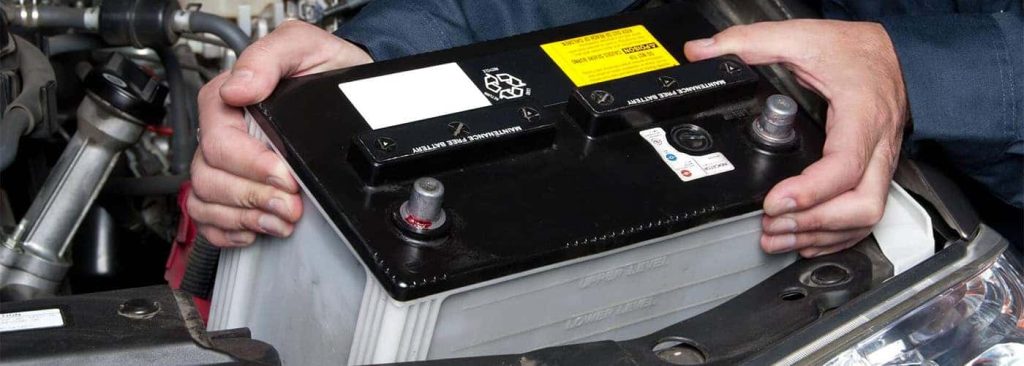
Are you wondering how often you should change your car battery? You’re not alone.
Many car owners find themselves puzzled by this question, and it’s crucial to get it right. After all, your car battery is the heart of your vehicle’s electrical system. It powers everything from starting the engine to running your favorite tunes on the stereo.
But ignoring its health can lead to unexpected breakdowns, leaving you stranded. Understanding when to replace your car battery can save you time, money, and a lot of frustration. Dive in as we uncover the signs and factors that dictate the lifespan of your car battery, ensuring you keep your car running smoothly and reliably.
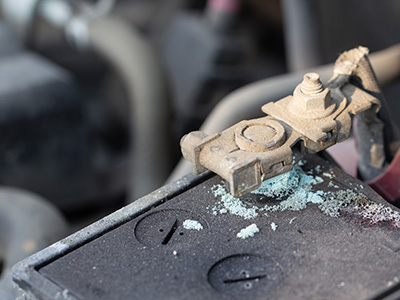
Credit: www.batteriesplus.com
Signs Of A Failing Car Battery
Understanding the signs of a failing car battery is crucial for ensuring your vehicle’s reliability and avoiding unwanted surprises. Imagine you’re ready to leave for work, only to find your car won’t start. Recognizing these symptoms early can save you from inconvenient situations and costly repairs. Let’s dive into the key indicators that your car battery might be on its last legs.
Slow Engine Crank
Have you ever turned the key only to hear a sluggish, drawn-out engine crank? This could be an indicator that your battery is losing its power. A healthy battery should crank the engine quickly and efficiently. If it feels like your engine is struggling to start, it might be time to consider a battery check.
Dim Lights And Electrical Issues
Notice your headlights aren’t as bright as they used to be? Dim lights can signal a battery that’s on its way out. Similarly, if your car’s electrical components are acting up, like the radio or dashboard lights flickering, it might be a sign of a weak battery. Electrical issues are often the first hints of a battery’s declining health.
Battery Warning Light
Modern vehicles often come equipped with a battery warning light on the dashboard. If this light starts glowing, it’s your car’s way of telling you something’s wrong with the battery. Don’t ignore this warning. It can indicate a range of issues, from low charge to more serious problems that need immediate attention.
Swollen Battery Case
Ever popped the hood and noticed your battery case looks swollen or bloated? This physical change is often due to excessive heat. A swollen battery case can be a serious issue, potentially leading to leaks or a complete battery failure. Regularly inspect your battery for any unusual changes in shape.
Keeping an eye on these signs can prevent unexpected breakdowns and maintain your car’s performance. How often do you check your battery for these symptoms?
Factors Affecting Battery Life
Understanding how often to change your car battery depends on various factors. Many elements can impact a car battery’s lifespan. These include driving habits, weather conditions, vehicle type, and battery quality. Knowing these can help in predicting battery life more accurately.
Driving Habits
Frequent short trips can drain your battery quickly. The battery doesn’t get enough time to recharge. Long drives give the battery enough time to regain its charge. Parking your car for long periods can also cause the battery to die. Regularly driving your car keeps the battery healthy.
Weather Conditions
Extreme temperatures can affect battery performance. Cold weather can reduce the battery’s efficiency. Hot weather can cause the battery fluid to evaporate. This can lead to a shorter battery life. Keeping your car in a garage can help protect the battery.
Vehicle Type And Usage
The type of vehicle can influence battery life. Larger vehicles often need more powerful batteries. Vehicles with many electronic features can drain the battery faster. Regular usage of air conditioning and entertainment systems can also impact battery life.
Battery Quality
Not all batteries are created equal. High-quality batteries generally last longer. Cheaper batteries might not have the same lifespan. Investing in a good-quality battery can save money in the long run. Always check the warranty and reviews before buying a new battery.
Average Lifespan Of A Car Battery
The lifespan of a car battery can be a bit of a mystery for many drivers. You might wonder when exactly it will give up on you, leaving you stranded with a car that just won’t start. Understanding the average lifespan of your car battery can help you plan better and avoid unwanted surprises.
Standard Battery Lifespan
Most standard car batteries last between three to five years. However, this can vary based on several factors, such as climate and driving habits. If you frequently drive in extreme temperatures, your battery may have a shorter life.
Regular short trips can also reduce the lifespan of your battery. When you only drive short distances, the battery doesn’t get fully charged. This can lead to a faster decline in its performance.
Consider your driving habits and environment to anticipate your battery’s lifespan better. If your battery is nearing the three-year mark, it might be wise to have it checked. This proactive step can save you from the inconvenience of a dead battery.
High-performance Batteries
High-performance batteries are designed to last longer than standard ones. They often come with advanced technology that offers better durability and efficiency. These batteries can sometimes last up to six or seven years.
If you have a high-performance vehicle, investing in a high-performance battery might be beneficial. They are built to handle the additional power demands of advanced car features. However, they can be more expensive upfront compared to standard batteries.
Think about your car’s needs and your budget when choosing a battery. Are you willing to pay more now for a potentially longer lifespan? Weighing these factors can help you make the best decision for your situation.
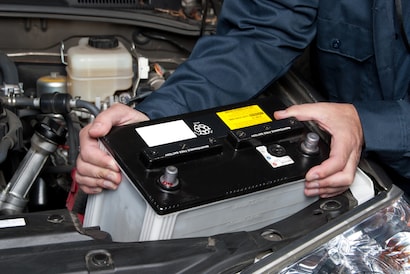
Credit: www.eastbaymini.com
Testing Your Car Battery
Testing your car battery can help determine when to change it. Experts suggest replacement every three to five years. Regular checks ensure your battery remains reliable.
Testing your car battery is crucial to ensure it functions properly. A weak battery can leave you stranded. Regular checks can prevent unexpected failures. Learn how to test your battery effectively.Using A Multimeter
A multimeter is a handy tool for testing car batteries. Set it to measure voltage. Connect the red probe to the positive terminal. Attach the black probe to the negative terminal. A healthy battery should read around 12.6 volts. Lower readings suggest the battery may need charging or replacement.Load Testing
Load testing evaluates your battery under stress. This test checks its ability to maintain voltage under load. Use a load tester for accurate results. Connect the tester as per instructions. The battery should hold a voltage above 9.6 volts. If it drops too low, consider replacing it.Professional Battery Testing
Professional testing provides a comprehensive battery health check. Mechanics use advanced tools for detailed analysis. They assess the battery’s capacity, voltage, and performance. Professional tests can detect issues early. Seek expert testing if you’re unsure about the battery’s condition.When To Replace Your Car Battery
Car batteries typically need replacing every three to five years. Signs like slow engine starts or dim lights suggest it’s time for a change. Regular checks can help you avoid unexpected battery failures.
Knowing when to replace your car battery can save you from unexpected breakdowns and costly repairs. A weak battery can leave you stranded at the most inconvenient times. So, how do you know when it’s time to swap out the old for the new? Let’s dive into some important factors that can help you decide.Mileage Considerations
Your car’s mileage can be a good indicator of battery health. Generally, batteries are designed to last around 30,000 to 50,000 miles. If you’re frequently on the road, your battery might deplete faster than expected. Think about your driving habits. Do you often take long trips, or is your car more of a city commuter? Each scenario affects your battery differently.Age Of Battery
The age of your battery is a straightforward clue. Most car batteries last between three to five years. Check the manufacturing date on your battery. If it’s past the three-year mark, start paying attention to any signs of weakness. Consider setting a reminder to check your battery’s age. It’s a simple step that can prevent future hassles.Frequent Jump Starts
Have you found yourself needing to jump start your car more often? This is a clear sign your battery’s life is nearing its end. A healthy battery doesn’t need frequent jump starts. Reflect on your experiences. How many times have you reached for those jumper cables recently? If the answer is more than once in a short span, it’s time to think about a replacement. The decision to replace your car battery doesn’t have to be a guessing game. By keeping an eye on mileage, age, and the frequency of jump starts, you can make a well-informed choice.Tips For Extending Battery Life
Extending the life of your car battery saves money and reduces hassle. Simple habits and regular care help keep your battery in top condition. By following these tips, you can delay the need for a replacement and ensure your car starts smoothly.
Regular Maintenance
Regular maintenance is crucial for battery longevity. Check battery terminals for corrosion every few months. Clean them with a mixture of baking soda and water. Tighten connections to prevent power loss. Inspect the battery case for cracks or swelling. Replace it if you notice any damage.
Avoiding Short Trips
Short trips can drain your battery faster. Each start uses significant power. Longer drives allow the alternator to recharge the battery. Plan trips to combine errands and reduce short journeys. This helps maintain optimal charge levels.
Proper Storage Practices
Proper storage is important if your car sits unused for long periods. Disconnect the battery to prevent drain. Store it in a cool, dry place to avoid extreme temperatures. Use a battery maintainer to keep it charged. This ensures the battery is ready when you need it.
Choosing The Right Replacement Battery
Choosing the right replacement battery depends on how often you change your car battery. Typically, car batteries last three to five years. Regular check-ups can help determine the best time for replacement, ensuring optimal performance.
Choosing the right replacement battery for your car is crucial to ensure optimal performance and longevity. It’s not just about swapping out the old one for a new one; it’s about understanding what makes a battery the right fit. You want a battery that matches your vehicle’s specifications, offers reliability, and fits your budget.Battery Size And Type
Getting the correct size and type is essential. Each car model has specific requirements, and using the wrong battery can lead to performance issues or even damage. Check your car’s manual for the recommended battery group size and specifications. When I first changed my car’s battery, I mistakenly chose one that was slightly larger. It didn’t fit properly, which led to complications. Avoid this by ensuring the battery matches the designated size for your vehicle.Considering Warranty And Brand
A good warranty can save you money in the long run. Look for batteries with at least a three-year free replacement warranty. It provides peace of mind knowing you’re covered if issues arise. Brands matter too. While you might save upfront with a lesser-known brand, established brands often offer more reliability and support. Always weigh the benefits of a reputable brand against cost.Installation Tips
Installing a battery isn’t rocket science, but it does require some care. Make sure you have the right tools and follow safety precautions. Before starting, ensure the engine is off and the keys are removed. Disconnect the negative terminal first to prevent any electrical shorts. Once the new battery is in place, secure it properly to avoid any movement while driving. Ever had a battery die in the middle of nowhere? Proper installation can prevent that. Double-check connections and ensure everything is tight before hitting the road. Choosing the right replacement battery involves more than just picking one off the shelf. Consider these aspects carefully to keep your car running smoothly.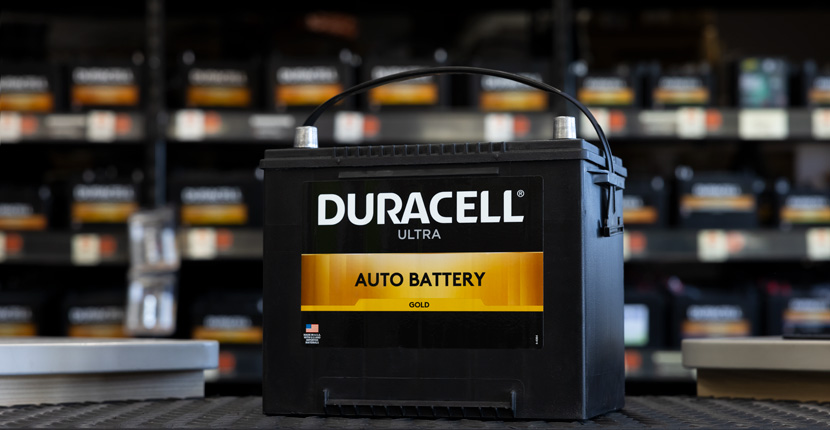
Credit: www.batteriesplus.com
Frequently Asked Questions
How Long Do Car Batteries Typically Last?
Car batteries usually last between three to five years. Extreme weather conditions, frequent short trips, and lack of maintenance can shorten battery life. Regular inspections and maintenance can help extend battery lifespan and ensure optimal performance.
What Signs Indicate A Dying Car Battery?
Signs of a dying battery include slow engine cranking and dim headlights. The battery warning light on your dashboard may also appear. If you notice corrosion around battery terminals, it may be time to replace the battery.
Can Weather Affect Car Battery Lifespan?
Yes, weather significantly affects battery lifespan. Extreme temperatures can shorten battery life. Cold weather reduces battery capacity, while hot weather increases internal corrosion. Ensure your battery is properly insulated and maintained for longer life.
How Often Should I Inspect My Car Battery?
It’s advisable to inspect your car battery every six months. Check for corrosion, secure connections, and battery fluid levels. Regular inspections can help identify issues early and ensure reliable performance.
Conclusion
Regular battery checks keep your car running smoothly. Change it every three to five years. Frequent short trips? Check more often. Extreme weather? It affects battery life. Look for signs like dim lights or slow engine start. These indicate battery issues.
A new battery prevents inconvenient breakdowns. A little attention saves time and money. Remember, caring for your battery extends its life. Keep it clean and secure. Stay proactive, and you’ll avoid surprises. Your car deserves the best care. Stay informed and drive worry-free.