Have you ever experienced that heart-sinking moment when you turn the key in your car’s ignition, and nothing happens? It’s a common scenario that leaves many drivers puzzled and stranded.
Is it just a minor hiccup, or is your car battery dead? Knowing how to diagnose a dead battery can save you time, money, and a lot of frustration. In this guide, we’ll walk you through the tell-tale signs of a dead car battery, so you can confidently handle the situation without the guesswork.
Get ready to empower yourself with the knowledge that every driver should have in their toolkit. Don’t miss out on these crucial insights that could be the difference between being stuck and being on your way.

Credit: m.facebook.com
Warning Signs Of A Dead Car Battery
Dimming headlights, a slow engine crank, and electronic issues signal a dead car battery. Pay attention to dashboard warning lights and any unusual clicking sounds when turning the key. Regular checks can prevent unexpected breakdowns.
When your car battery starts showing signs of trouble, it can be a frustrating experience. Understanding these warning signals can save you time and prevent unexpected breakdowns. Here’s how you can spot the early signs of a dead car battery and take action before it leaves you stranded.
Dimming Headlights
Have you noticed your headlights losing their brightness lately? Dimming headlights are a common symptom of a weak battery. When the battery struggles to hold a charge, it affects the electrical components of your car, including the headlights. Imagine driving down a dark road and suddenly realizing that your headlights are not as bright as they should be. This could be your battery’s way of telling you it’s on its last legs. Don’t wait for it to completely fail before taking action.
Slow Engine Crank
The slow cranking of your engine is like a wake-up call for your battery’s health. If you find yourself turning the key and the engine takes longer than usual to start, your battery might be struggling. Consider this: you’re running late for an appointment, and your car hesitates to start. This delay can be a major inconvenience. A slow engine crank is often a precursor to a dead battery, so it’s wise to get it checked sooner rather than later.
Clicking Sound When Turning The Key
A clicking sound when you turn the key can be both puzzling and alarming. This sound usually indicates that your battery has enough power to engage the starter, but not enough to fully turn the engine over. Picture this scenario: you’re ready to head home after a long day, and all you hear is a series of clicks instead of the comforting hum of your engine. This is a clear sign that your battery is nearing its end. Addressing it promptly can save you from being stranded at the worst possible moment. Have you experienced any of these signs recently? Taking proactive steps to address them can ensure your car remains reliable and ready to go whenever you are.

Credit: blog.bramancadillac.com
Dashboard Warning Lights
Dashboard warning lights can be your car’s way of whispering that something’s amiss under the hood. These lights are designed to alert you to potential issues that need your attention. Ignoring them could lead to bigger problems, so understanding what these signals mean is crucial.
Battery Light Indicator
The battery light on your dashboard is one of the most straightforward indicators that your car battery might be dead or dying. This light typically looks like a battery symbol or says “ALT” or “GEN.” If it lights up while you’re driving, your car is running on battery power alone, which means the alternator isn’t charging the battery.
Consider a scenario where you’re driving home late at night and suddenly notice this light. It’s a clear sign to check your battery and charging system immediately. If ignored, your car might stall, leaving you stranded.
Check Engine Light
The check engine light can also signal battery problems, although it’s more commonly associated with engine-related issues. When your battery is weak, it can cause a low voltage condition that triggers this light. It’s like your car is telling you, “Something’s not right, check me out!”
Imagine you’re on a road trip, and this light pops on. While it might not scream “battery” at first, a quick battery voltage test can save you from unexpected breakdowns. Always consider a weak battery as a potential culprit when this light illuminates.
By paying attention to these dashboard warning lights, you can catch battery issues early and avoid inconvenient surprises on the road. What steps will you take next time you see a warning light?
Electrical Malfunctions
Dim headlights and slow engine cranks often signal a dead car battery. Clicking sounds when turning the ignition can also be a giveaway. Check for corrosion on battery terminals for confirmation.
Electrical malfunctions are often the first signs that your car battery might be failing. You might find yourself puzzled when your vehicle doesn’t respond the way it used to. These issues not only disrupt your daily routine but can also indicate a dying battery.
Malfunctioning Power Windows
Have you noticed your power windows moving sluggishly? Or maybe they’re not responding at all. This could be a clear sign of a weak battery. Power windows require a steady flow of electricity, and when the battery is unable to provide this, the windows might start acting up. If you’re experiencing this, it might be time to check your battery’s health.
Issues With Car Radio And Lights
Does your car radio suddenly turn off or reset while driving? This is more than just a nuisance; it can be a red flag that your battery is struggling. Similarly, dimming headlights or interior lights can indicate that the battery isn’t providing enough power. These electrical components are directly affected by the battery’s performance. Ask yourself: Are these issues becoming more frequent? If so, it might be wise to have your battery tested. A few minutes of attention now can save you from being stranded later.
Physical Signs Of Battery Issues
Dimming headlights and slow engine cranking often indicate battery problems. Corrosion around terminals and a swollen battery case are warning signs. Listen for clicking sounds when turning the key; this might suggest a dead battery.
Physical signs of battery issues can often be the first indicators that your car battery might be on its last legs. Keeping an eye on these telltale signs can save you from unexpected breakdowns. Spotting these issues early can help you avoid getting stranded and keep your vehicle running smoothly.
Corroded Battery Terminals
Corroded battery terminals are a common sign of battery troubles. You might notice a white, ashy substance around the battery posts. This corrosion can hinder the flow of electricity and affect your car’s performance. Take a moment to inspect your battery regularly. Clean terminals can improve the connection and potentially extend the life of your battery. If you find them corroded, carefully clean them with a mixture of baking soda and water.
Swollen Battery Case
A swollen battery case is a sign you should never ignore. This bulging often results from excessive heat or overcharging, which can seriously damage the battery. If you notice your battery case is swelling, it’s time to consider a replacement. Swelling indicates that your battery is under stress, which could lead to leaking or even bursting. Regularly checking the shape of your battery can prevent more severe issues down the line. Have you ever experienced a swollen battery? It’s a clear signal that action is needed immediately.
Testing The Battery
Struggling to start your car? Dim headlights and slow engine cranking suggest a dead battery. Check voltage levels using a multimeter to confirm.
Testing your car battery can prevent surprises on the road. A car battery can lose its charge due to various reasons. Knowing how to test it can save you time and hassle. This section will guide you through simple ways to check your battery’s health.
Using A Multimeter
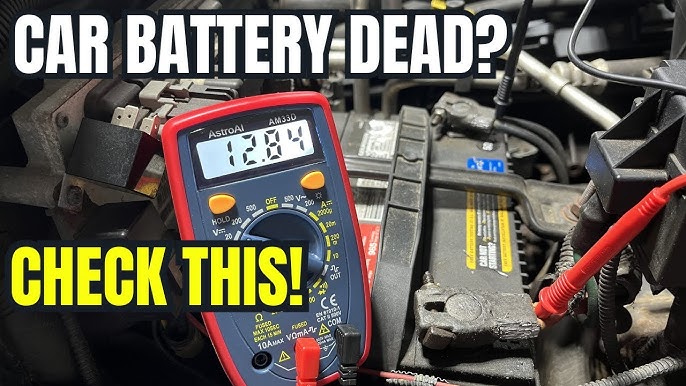
A multimeter is a handy tool for car battery testing. First, set the multimeter to DC voltage. Ensure the car is off before proceeding. Connect the red probe to the positive battery terminal. Attach the black probe to the negative terminal. Read the voltage on the multimeter. A healthy battery should show around 12.6 volts. If it’s lower, the battery may need charging or replacement.
Performing A Load Test
A load test checks the battery under stress. Use a battery load tester for this method. Connect the tester’s clamps to the battery terminals. Red goes to positive, black to negative. Turn on the tester and apply the load for about 10 seconds. Check the reading. A good battery should maintain at least 9.6 volts. If it drops below, consider replacing the battery. This test simulates real-world conditions, giving you a clear battery health indication.

Credit: www.instagram.com
Common Causes For Battery Failure
Car batteries often fail due to age, extreme temperatures, or electrical issues. Dim headlights and slow engine cranks indicate a dead battery. Regular maintenance and testing can prevent unexpected battery failures.
Understanding why your car battery might fail is crucial in preventing unexpected breakdowns. Many factors can lead to a dead battery, and recognizing these can help you take preventive measures. Here, we explore some common causes that could be draining your car’s lifeline.
Extreme Weather Conditions
Weather can play a significant role in how your car battery performs. In my own experience, I remember my car refusing to start on a particularly cold morning. Cold weather slows down the chemical reactions in a battery, making it harder for your car to start. Conversely, extreme heat can cause battery fluid to evaporate, leading to internal damage. Have you noticed your car struggling to start in certain weather conditions? It’s worth checking if your battery needs extra care during these times.
Old Age Of The Battery
Batteries, like most things, have a lifespan. Typically, a car battery lasts about three to five years. As they age, their ability to hold a charge diminishes. I once found myself stranded in a parking lot because I ignored the signs of an aging battery. Don’t wait until you’re in a similar situation. If your battery is reaching that age range, consider getting it tested or replaced. You wouldn’t want to be caught off guard, right? Understanding these causes can save you a lot of trouble. Being proactive about your car’s battery health will ensure you’re not left stranded when you least expect it.
Preventive Measures
Dim headlights and slow engine cranking indicate a dead car battery. Check for corrosion on battery terminals. Listen for clicking sounds when turning the key.
Preventive measures can ensure your car battery remains in good condition and doesn’t leave you stranded unexpectedly. By incorporating regular maintenance and strategic use, you can extend your battery’s lifespan and avoid unnecessary hassles. Ever been stuck in a parking lot with a car that won’t start? A little foresight can spare you from that scenario.
Regular Battery Maintenance
Regular maintenance is key to keeping your battery healthy. Checking your battery’s condition every few months can prevent surprises. Look out for corrosion around the terminals, which can hinder the battery’s performance. A simple cleaning with a mixture of baking soda and water can help. Keep an eye on your battery’s water level if it’s not a maintenance-free type. Low water levels can lead to reduced efficiency. Make it a habit to top it off with distilled water when necessary.
Frequent Vehicle Use
Your car battery thrives when your vehicle is in regular use. If your car sits idle for too long, the battery can gradually lose its charge. Aim to drive your car at least a few times a week to keep the battery active. Short trips might not be enough to recharge the battery, especially in cold weather. Consider a longer drive over the weekend to ensure the battery stays fully charged. Have you ever noticed your car struggling to start after sitting for a week? Regular use keeps the battery charged and ready to go, preventing those frustrating moments.
Frequently Asked Questions
How To Check If A Car Battery Is Dead?
To check if a car battery is dead, use a multimeter to measure its voltage. A fully charged battery typically reads between 12. 6 and 12. 8 volts. If the reading is below 12 volts, your battery might be dead or need charging.
Also, look for signs like dim lights or a slow engine crank.
What Are Common Signs Of A Dead Car Battery?
Common signs of a dead car battery include dim headlights, slow engine crank, and clicking sounds when starting. If your car struggles to start or electronics malfunction, the battery might be the issue. Additionally, a swollen battery case or corrosion around terminals can indicate battery problems.
Can A Dead Battery Be Recharged?
Yes, a dead battery can often be recharged using a battery charger. Connect the charger properly and follow the manufacturer’s instructions. However, if the battery is old or damaged, recharging might not restore full functionality. In such cases, replacing the battery is usually the best solution.
How Long Does A Car Battery Last?
A car battery typically lasts between three to five years, depending on usage and maintenance. Factors like extreme temperatures, frequent short trips, and lack of maintenance can shorten its lifespan. Regularly checking the battery and keeping it clean helps extend its life.
Conclusion
Identifying a dead car battery is crucial for timely replacement. Check for dim lights or slow engine start. Listen for clicks when turning the key. Inspect for corrosion or leaks around the battery terminals. Regular testing can prevent unexpected issues.
Remember, a reliable battery ensures smooth rides. Stay proactive to avoid roadside troubles. Simple checks can save time and stress. Keep your vehicle’s battery in good condition for safety and convenience. Regular maintenance extends battery life. Ensure your car’s battery is ready for every journey.
Safety starts with a healthy battery.