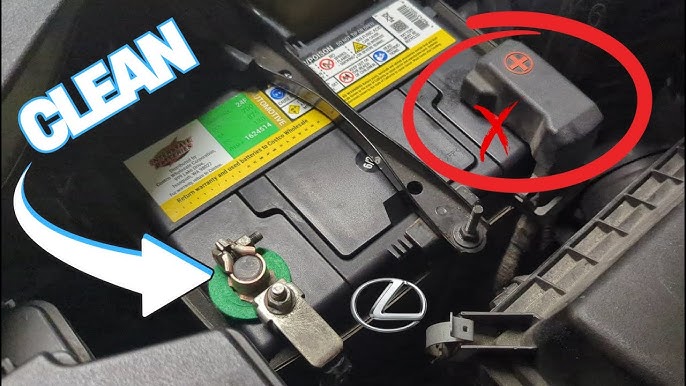
Ever found yourself stuck with a car that just won’t start, and you suspect the battery is the culprit? You’re not alone.
Knowing how to take out a car battery is a skill every car owner should have. Why? Because it can save you time, money, and a whole lot of frustration. Imagine the freedom of being able to tackle this small but crucial task on your own, without waiting for a mechanic.
In this guide, you’ll discover the straightforward steps to safely remove a car battery, empowering you to take control of your vehicle’s maintenance. Ready to gain a bit of independence and keep your car running smoothly? Let’s dive in and explore how you can easily manage this on your own.
Safety Precautions
Ensure your car is off and the keys are removed. Wear gloves and safety goggles for protection. Disconnect the negative terminal first to prevent electrical shocks.
Removing a car battery can be a straightforward task. Yet, it involves potential hazards. Taking appropriate safety precautions is crucial. This ensures a smooth and risk-free process. Before you begin, equip yourself with the right tools. Always prioritize safety to avoid accidents or injuries.1. Wear Protective Gear
Always wear safety goggles and gloves. This protects your eyes and hands. Batteries contain corrosive acid. Direct contact can cause burns or irritation.2. Ensure The Car Is Off
Turn off the ignition completely. Remove the keys from the car. This prevents accidental electrical shocks. It also ensures the car won’t start unexpectedly.3. Work In A Well-ventilated Area
Choose a place with good airflow. Battery fumes can be harmful. Ventilation disperses these gases safely. It reduces the risk of inhaling toxic fumes.4. Avoid Metal Tools
Use insulated tools whenever possible. Metal tools can cause sparks. Sparks can ignite battery gases. This might lead to explosions or fires.5. Disconnect The Negative Terminal First
Start with the negative terminal. It minimizes the risk of short circuits. A short circuit can damage the car’s electrical system. It also prevents accidental shocks.6. Keep Flames And Sparks Away
Keep the area free from open flames. Avoid smoking near the battery. Battery gases are flammable. They can ignite easily, causing fires.7. Double-check All Connections
Recheck all connections before removing the battery. Ensure all terminals are loose. This prevents accidental damage to cables. Proper handling ensures a safe removal process.Tools Required
A socket wrench, adjustable pliers, and safety gloves are essential for removing a car battery. Ensure you have a battery terminal cleaner for a smooth process. A sturdy flashlight can help illuminate tight spaces.
Taking out a car battery requires some specific tools. These tools ensure safety and ease during the process. Having the right tools is crucial. Let’s explore what you need.Socket Wrench Set
A socket wrench set is vital for loosening battery terminals. It provides the necessary grip and torque. Choose the right socket size for your battery bolts.Gloves
Wear gloves to protect your hands from battery acid. They also offer a better grip. Rubber gloves are a good choice.Safety Goggles
Safety goggles shield your eyes from sparks. Batteries can emit harmful gases. Goggles ensure you stay safe.Battery Terminal Puller
A battery terminal puller helps remove stubborn terminals. It prevents damage to battery posts. This tool is handy for tight fittings.Wire Brush
A wire brush cleans corrosion off battery terminals. Clean terminals ensure good contact. Use it gently to avoid damage.Multimeter
A multimeter checks battery voltage. It confirms if the battery is dead. This tool is useful for diagnostics.Flashlight
A flashlight helps you see in dark spaces. Batteries are often located in dim areas. It ensures you don’t miss any steps. Having these tools ready simplifies the process. Prepare them before starting. This ensures a smooth battery removal experience.Locating The Battery
Before you can take out your car battery, you need to know where it’s located. It might seem straightforward, but many people overlook this crucial step. Batteries can be found in different spots depending on the make and model of your vehicle. Some are obvious, sitting under the hood, while others might be tucked away in less accessible places. Knowing where to look can save you time and hassle.
Check Under The Hood
For most vehicles, the battery is located under the hood. Open it up and look near the front, usually on the right or left side. You’ll often find it secured in a metal tray. It’s a good idea to familiarize yourself with this area before starting the removal process.
Look In The Trunk
Some cars, especially newer models or luxury vehicles, house the battery in the trunk. This might surprise you if you’re used to finding it under the hood. Check the sides or underneath the trunk floor panel. It’s a perfect opportunity to tidy up any clutter you might have stashed away!
Consult Your Owner’s Manual
If you’re unsure where your battery is, your car’s owner’s manual is a valuable resource. It provides detailed diagrams and instructions on the battery’s location. This can be particularly helpful if your car has an unusual configuration.
Ask A Professional
If you can’t find the battery or if accessing it seems complicated, consider asking a mechanic for help. They can guide you to the battery’s location and offer advice on safe removal. Sometimes, a quick chat with a pro can provide insights that save time and effort.
Finding your car battery might seem like a minor step, but it’s essential for a smooth removal process. Where do you usually find your car battery? Have you ever been surprised by its location in a new car? Share your experiences and tips below!

Credit: www.youtube.com
Disconnecting The Battery
Disconnecting the battery begins with turning off the car engine. Use a wrench to loosen the negative cable first. Ensure the cable is safely tucked away from the terminal. Then, loosen the positive cable, remembering to keep it separate from the negative one.
Disconnecting the battery is a crucial part of removing a car battery. Ensuring safety is key before starting. Always wear gloves and safety glasses. These protect you from potential sparks or acid spills. Make sure the car is off, and keys are out of the ignition. This prevents electrical shocks. Gather the right tools: a wrench or socket set. These will help in loosening the terminals. Proper disconnection begins with the correct terminal order.Removing Negative Terminal
Start with the negative terminal first. This reduces the risk of short circuits. Locate the negative terminal. It’s usually marked with a minus (-) sign. Use your wrench to loosen the nut on the negative cable clamp. Turn it counterclockwise for loosening. Once loose, gently wiggle the cable off the terminal. Set the cable aside, ensuring it doesn’t touch any metal parts. This prevents accidental reconnections.Removing Positive Terminal
Now, focus on the positive terminal. It’s usually marked with a plus (+) sign. Use the same wrench to loosen the nut on the positive cable clamp. Turn counterclockwise, just like with the negative terminal. Carefully lift the cable off the terminal. Keep the positive cable away from any metal surfaces. This step ensures the battery is fully disconnected. Always handle the battery with care.Removing The Battery
Disconnect the negative cable first to prevent sparks. Next, loosen the positive cable and remove it. Finally, lift the battery out carefully, ensuring it’s upright to avoid spills.
Removing the battery from your car is a straightforward task if done with care and attention. Safety is paramount, so always ensure you’re wearing gloves and eye protection to prevent any accidents. Start by turning off your vehicle and removing the keys from the ignition. It’s crucial to follow the correct steps to avoid damaging your car or the battery itself.Loosening The Battery Clamp
First, locate the battery under the hood. Most cars have it near the front, but some might be in the trunk. Use a wrench or a socket set to loosen the clamp holding the battery in place. The clamp typically secures the battery with bolts on either side, so ensure both are adequately loosened. Be gentle to avoid stripping the bolts or damaging the terminals. If the clamp is stubborn, a little spray of penetrating oil can help ease the process. Remember, patience is key here.Lifting The Battery Out
With the clamps loosened, it’s time to lift the battery out. Car batteries are heavy, often weighing between 30 to 50 pounds, so be prepared. Use both hands to get a firm grip on the battery. If your battery has a handle, use it to lift, ensuring you maintain a balanced posture. If no handle is available, grasp the sides firmly and lift straight up to avoid straining your back. Place the battery on a flat, stable surface away from direct sunlight or any flammable materials. Did you know improper handling can lead to battery acid spills? Always handle with care to prevent such incidents. By following these steps, you’re not just removing a car battery—you’re developing a skill that could save you time and money. What’s next on your DIY car maintenance list?
Credit: www.youtube.com
Handling And Disposal
Removing a car battery involves loosening the clamp, disconnecting the cables, and lifting it out carefully. Dispose of the battery at an authorized recycling center to prevent environmental harm. Always wear gloves and safety glasses to protect yourself during the process.
Taking out a car battery may seem simple, but handling and disposal require careful attention. It’s not just about removing it; it’s about ensuring safety and environmental responsibility. Have you ever wondered what happens to old car batteries? Here’s how to manage them safely and dispose of them responsibly.Handling The Battery Safely
Before you start, make sure you have the right tools. Safety glasses and gloves are essential to protect yourself from acid spills. Use a wrench to loosen the negative terminal first. This prevents short circuits. Once the negative terminal is loose, proceed to the positive terminal. Lift the battery carefully, keeping it upright to avoid acid leakage. Batteries are heavy, so ensure you have a firm grip.Storing The Battery Correctly
If you are not disposing of the battery immediately, store it in a cool, dry place. Keep it away from children and pets. Place the battery on a non-conductive surface like wood or rubber. This prevents any electrical conduction. Check periodically for any leaks or corrosion. A leaking battery needs immediate attention.Disposing Of The Battery Responsibly
Car batteries are classified as hazardous waste. They should never be thrown in the trash. Many auto parts stores offer free recycling services. They ensure the battery is disposed of safely and parts are recycled. You can also contact local waste management authorities. They can guide you to the nearest recycling facility.Recycling Benefits
Recycling batteries not only helps the environment but also conserves resources. Lead and plastic from old batteries can be reused. By recycling, you contribute to reducing pollution. It’s a small step with a big impact. Think about the future. Wouldn’t you want to leave a cleaner world for generations to come? Taking the time to handle and dispose of your car battery properly is both a responsibility and an opportunity to make a difference.Installing A New Battery
Removing a car battery starts by ensuring the vehicle is off and parked safely. Loosen the negative terminal first, followed by the positive. Carefully lift the battery out, avoiding contact with any metal parts.
Installing a new car battery can feel daunting, but with a few simple steps, you can master this task and have your vehicle running smoothly again. Once you’ve safely removed the old battery, it’s time to focus on getting the new one installed correctly. This process involves several key steps that ensure your car battery functions efficiently and safely. Let’s dive into the essential tasks you need to complete to install your new battery successfully.Positioning The New Battery
Place the new battery into the battery tray, ensuring it fits snugly in the designated spot. It’s crucial that the battery is positioned correctly, with the positive and negative terminals aligned as they were with the old battery. Double-check that the battery doesn’t wobble; a secure fit is vital to prevent future issues.Securing The Battery Clamp
Once the battery is in place, use the battery clamp to hold it securely. Tighten the clamp bolt with a wrench, but be careful not to overtighten. The clamp should be secure enough to hold the battery in place during bumpy rides, yet easy to remove when needed.Reconnecting Terminals
First, connect the positive terminal and then the negative. Make sure the terminal connections are clean and free of corrosion. Tighten the terminal connections with a wrench, ensuring they are snug but not overly tight. Once you’ve completed these steps, take a moment to ensure everything is connected and secure. A well-installed battery not only powers your vehicle but also prevents potential electrical issues. Are you ready to give it a try and enjoy the satisfaction of a job well done?Testing The New Installation
Begin by ensuring the car is turned off and parked safely. Locate the battery, usually found under the hood. Use a wrench to loosen and remove the negative cable first, followed by the positive cable. Lift the battery out carefully, avoiding contact with any metal parts.
Testing your new car battery installation is crucial. It ensures your car will start without issues. Testing also confirms the battery is charging correctly. Follow these steps to test the new installation.Check The Battery Connections
Ensure all connections are tight. Loose connections can cause problems. Use a wrench to tighten them if needed.Inspect For Corrosion
Look for any corrosion on the terminals. Clean them if necessary. Use a baking soda and water mixture for cleaning.Turn On The Ignition
Start the car and listen for a smooth start. The engine should start without delay. If not, recheck your installation.Check The Electrical Systems
Test the lights and radio. They should work correctly. If they flicker, check the connections again.Use A Multimeter
Test the voltage with a multimeter. A healthy battery shows 12.6 volts or more. Anything lower needs attention.Monitor The Battery Light
Watch the dashboard for the battery light. It should remain off while driving. If it lights up, further inspection is needed. Following these steps ensures a smooth and successful installation.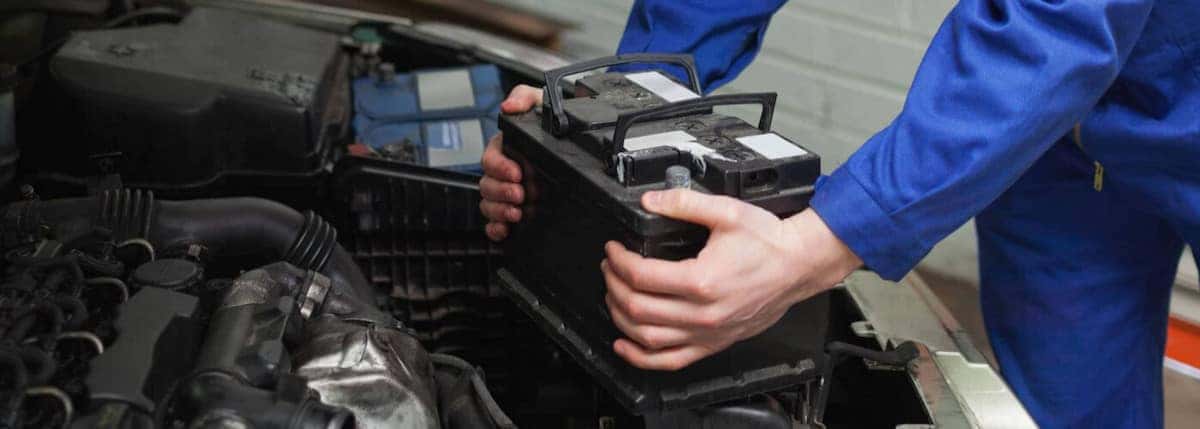
Credit: www.riversidegmsuperstore.com
Frequently Asked Questions
How Do You Safely Remove A Car Battery?
To safely remove a car battery, first, turn off the ignition and put on safety gloves. Disconnect the negative terminal first, followed by the positive terminal. Carefully lift the battery out, keeping it upright to avoid any acid spills. Always follow your vehicle’s manual for specific instructions.
What Tools Are Needed To Remove A Car Battery?
To remove a car battery, you’ll need a socket wrench and gloves. Some batteries require a battery terminal puller. Ensure you have the correct socket size for your battery terminals. It’s also helpful to have a brush to clean terminal corrosion.
How Long Does It Take To Remove A Car Battery?
Removing a car battery typically takes around 15 to 30 minutes. This depends on your experience and the vehicle’s design. Ensure you follow safety precautions, as improper removal can cause damage. Always refer to your vehicle’s manual for specific instructions.
Can Removing A Car Battery Damage The Car?
Removing a car battery incorrectly can damage your vehicle’s electrical system. Always disconnect the negative terminal first to prevent shorts. Ensure you follow the proper removal steps to avoid issues. Consulting your vehicle’s manual can prevent potential damage.
Conclusion
Taking out a car battery is simple with the right steps. First, ensure safety by wearing gloves. Then, gather the needed tools like a wrench. Disconnect the negative cable first. Next, remove the positive cable. Carefully lift the battery from its tray.
Dispose of it responsibly. Remember, batteries can be recycled. Check for corrosion or damage around the tray. Clean if necessary. Install the new battery securely. Test your car to ensure everything works fine. Regular checks can prevent future issues. With these tips, you can confidently remove your car battery.