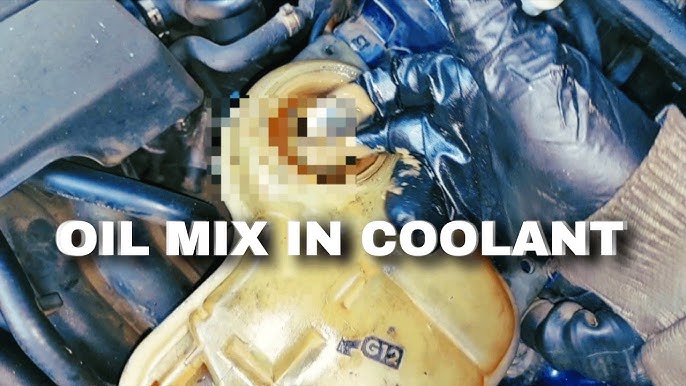
Is there a strange, milky residue on your engine’s dipstick? Or perhaps you’ve noticed your car’s performance isn’t quite up to par?
If you’re nodding your head, you might be dealing with the dreaded issue of coolant mixing with engine oil. This problem can lead to severe engine damage if left unchecked, making it crucial to address immediately. Imagine the relief you’ll feel once you have a clear solution to this perplexing problem.
In this guide, you’ll discover practical steps to fix coolant mixing with engine oil, ensuring your car runs smoothly and efficiently. Don’t let this issue escalate into a costly repair or even a complete engine replacement. Stick with us to learn how you can protect your vehicle and your wallet. Your car’s health—and your peace of mind—depend on it.
Identifying Coolant And Oil Mixing
Coolant mixing with engine oil can cause serious damage to your vehicle. Identifying signs like milky oil and engine overheating is crucial. Fixing the issue involves checking seals and gaskets for leaks and possibly replacing damaged parts.
Identifying coolant and oil mixing in your engine is crucial for maintaining the health and performance of your vehicle. When these two fluids combine, it can lead to significant engine damage, costly repairs, and a lot of frustration. Knowing the signs and causes can help you address the issue promptly and prevent further complications.Signs Of Coolant Contamination
The first sign of coolant mixing with oil is usually a milky or frothy appearance on the oil dipstick. This is because the coolant causes the oil to lose its clear, amber color. Another indication is a sweet smell, similar to maple syrup, emanating from the engine. This smell is characteristic of ethylene glycol, a primary component of most coolants. If you notice a decrease in the coolant level without a visible leak, it might be mixing with the oil. This can lead to overheating due to insufficient coolant in the system.Common Causes Of Fluid Mixing
A blown head gasket is a frequent culprit. It creates a breach between the coolant and oil passages, allowing the fluids to mix. Cracked engine blocks or cylinder heads can also lead to fluid mixing. These cracks provide a path for the coolant to seep into the oil. Worn out or damaged seals and gaskets can cause similar issues. Over time, these components can degrade, especially if not properly maintained, leading to leaks and mixing. Understanding these signs and causes is just the beginning. By staying vigilant and proactive, you can save yourself from a potential headache and costly repairs. Have you ever encountered this issue? What steps did you take to resolve it?Immediate Steps To Take
Discovering coolant mixing with your engine oil can be alarming, but taking immediate steps can prevent further damage to your vehicle. Addressing this issue promptly is crucial for maintaining your car’s health and ensuring your safety on the road. Here’s what you need to do right away.
Stop Driving The Vehicle
Your first instinct might be to drive your car to the nearest mechanic, but resist this temptation. Continuing to drive a vehicle with mixed coolant and oil can lead to severe engine damage. Engine components rely on oil for lubrication, and the presence of coolant can compromise this function, leading to overheating and potential engine failure.
It’s a bit like trying to run a marathon with your shoelaces untied; you might make it a short distance, but you’re risking a bigger problem. Instead, park your car safely and arrange for a tow to a repair shop. This small step can save you from costly repairs down the line.
Check For External Leaks
Before you call the tow truck, take a moment to check for external leaks. Look around your vehicle, particularly under the hood and beneath the car, for any signs of leaking fluids. Puddles or drips can indicate a breach in your car’s cooling system or engine gaskets.
Identifying these leaks can provide valuable information to your mechanic, helping them diagnose the issue more quickly. You might spot a crack in the radiator or a loose hose, which can be a clue to the root cause of the problem. Finding these leaks early gives you a head start in the repair process.
Have you ever wondered how mechanics diagnose such issues swiftly? It’s often thanks to these initial observations that guide them to the source. By taking these immediate steps, you’re not only protecting your engine but also playing a proactive role in the maintenance of your vehicle.
Diagnosing The Problem
Diagnosing the problem involves checking for signs like milky oil or white smoke from the exhaust. Inspect the head gasket, oil cooler, and engine block for leaks or damage. Identifying the source helps in determining the right repair method.
Diagnosing the problem of coolant mixing with engine oil is crucial. Identifying the root cause early can prevent further damage. This section explores the steps to diagnose the issue effectively. Each step focuses on critical components where problems often occur.Inspecting Gaskets And Seals
Gaskets and seals can wear out over time. Check for any visible leaks around these parts. A damaged gasket can allow fluids to mix. Use a flashlight to inspect hard-to-see areas. Replace any worn or damaged gaskets promptly. This simple step can prevent costly repairs.Testing The Oil Cooler
The oil cooler can sometimes fail. This leads to fluid mixing. Disconnect the oil cooler lines carefully. Inspect them for any signs of wear or damage. Use a pressure test to check for leaks. A faulty cooler might need replacement. Ensure the new cooler fits well to avoid future issues.Examining The Cylinder Head
The cylinder head can crack under extreme conditions. Check for visible cracks or warping. Use a specialized tool to test its integrity. A compromised cylinder head can cause fluid mixing. Consider professional inspection if unsure. Replacing a damaged head can prevent engine failure.
Credit: www.instagram.com
Repair Options
Fixing coolant mixing with engine oil involves inspecting the head gasket for damage. A faulty gasket can cause leaks. Replace it if necessary. Check for cracks in the engine block, which might require professional repair. Regular maintenance can prevent these issues and ensure engine health.
Repairing a coolant mixing issue is crucial for engine health. Various repair options can address this problem effectively. Each option targets specific causes of coolant mixing with engine oil. Understanding these repair methods helps in choosing the right solution.Replacing Faulty Gaskets
Faulty gaskets often lead to coolant leaks. They may allow coolant to seep into the engine oil. Replacing these gaskets can prevent further leakage. It’s essential to choose high-quality gaskets for replacement. Proper installation ensures a tight seal. Regular inspection of gaskets helps identify wear early.Fixing A Damaged Oil Cooler
A damaged oil cooler can cause coolant and oil to mix. Oil coolers regulate engine oil temperature. When they malfunction, they may let coolant in. Repairing or replacing the oil cooler resolves the problem. Ensuring the oil cooler is functioning correctly is vital. Regular checks can prevent future damage.Repairing Or Replacing The Cylinder Head
Cylinder head issues can lead to coolant mixing. Cracks or warps in the cylinder head allow leaks. Repairing minor damages can be effective. For severe cases, replacing the cylinder head is necessary. Ensuring proper fitment and sealing is crucial. Regular maintenance can extend the cylinder head’s lifespan.Preventive Maintenance Tips
Coolant mixing with engine oil often indicates a gasket failure. Regularly check for leaks and inspect the head gasket. Replace worn or damaged gaskets promptly to prevent further damage. Conduct routine inspections of the cooling system components to ensure proper functioning and avoid costly repairs.
Preventive maintenance is your first line of defense against coolant mixing with engine oil. By adopting simple yet effective habits, you can prolong your engine’s life and avoid costly repairs. These habits are not just about keeping your vehicle running; they’re about ensuring peace of mind every time you hit the road.Regular Engine Inspections
Regular engine inspections are crucial. Checking your engine regularly helps catch leaks early. Look for any signs of oil in the coolant reservoir or unusual engine noise. A friend once noticed a slight discoloration in his coolant, which turned out to be early signs of contamination. This small observation saved him from a major engine overhaul. Why not schedule engine checks as part of your monthly routine? It’s a small effort with big payoffs.Maintaining Proper Coolant Levels
Maintaining proper coolant levels is essential. Low coolant levels can lead to overheating and potential gasket failure. Always ensure your coolant is filled to the recommended level. Have you ever found yourself on a long drive only to discover your engine overheating? It’s often due to ignoring coolant levels. Keep a bottle of coolant in your trunk for emergencies. It’s a simple precaution that can save you from being stranded.Using Quality Engine Oil
Using quality engine oil is non-negotiable. High-quality oil provides better lubrication and reduces the chances of leaks. It also ensures that your engine runs smoothly. Consider using synthetic oils, which often have better additives that protect your engine. A friend switched to synthetic oil and noticed not only reduced engine noise but also better fuel efficiency. Have you considered what quality engine oil could do for your car’s performance? Investing in the right oil might just be the easiest step to avoid a costly repair. By focusing on these preventive maintenance tips, you’re not just maintaining your vehicle; you’re protecting your investment.
Credit: www.youtube.com
When To Seek Professional Help
Dealing with coolant mixing with engine oil can be a daunting task, especially if you’re not familiar with the intricacies of vehicle mechanics. While some minor issues can be tackled with a DIY approach, there are certain situations where seeking professional help is not just advisable but necessary. Knowing when to call in the experts can save you time, money, and prevent further damage to your vehicle.
Complex Repairs And Assessments
When the issue involves complex engine components, it’s time to consider professional intervention. For example, a blown head gasket or a cracked engine block are not simple fixes. These issues require specialized tools and expertise that a professional mechanic possesses.
Additionally, a professional can accurately diagnose the root cause of the problem, which is crucial for a long-term solution. Misdiagnosing can lead to repeated failures and increased repair costs. Have you considered the impact of an incorrect assessment on your car’s health?
Cost Considerations
While DIY solutions might seem cost-effective, they can sometimes lead to more expensive repairs down the line. A professional mechanic can provide an upfront cost estimate, helping you make an informed decision. This transparency can prevent unexpected expenses and ensure the repair fits within your budget.
Moreover, professionals often offer warranties on their work, giving you peace of mind. Paying a little more upfront might save you from future headaches. Is the short-term saving worth the potential long-term costs?

Credit: www.instagram.com
Frequently Asked Questions
Why Is Coolant Mixing With Engine Oil?
Coolant mixing with engine oil often indicates a serious engine problem, such as a blown head gasket. It can also result from a cracked engine block or cylinder head. Immediate action is essential to prevent further damage and ensure the engine runs smoothly.
How Do I Identify Coolant In Oil?
Signs of coolant in oil include milky or frothy oil appearance. Check for white smoke from the exhaust and overheating issues. Regularly inspecting oil consistency during oil changes can help identify this problem early.
What Are The Risks Of Coolant In Oil?
Coolant in oil can cause engine wear and corrosion. It reduces lubrication, leading to increased friction and heat. Over time, this can result in significant engine damage, costly repairs, or even engine failure.
How Can I Fix Coolant Mixing With Oil?
To fix coolant mixing with oil, first diagnose the root cause. Common solutions include replacing the head gasket or repairing a cracked engine block. Consult a professional mechanic for an accurate diagnosis and repair.
Conclusion
Resolving coolant and oil mixing safeguards engine health. Start by identifying leaks. Check gaskets and seals for damage. Replace faulty parts promptly. Ensure regular maintenance checks. Use quality coolant and oil. Prevent future issues with routine inspection. A healthy engine runs efficiently.
Avoid costly repairs by acting quickly. Keep your vehicle in top condition. A smooth drive depends on a well-maintained engine. Protect your investment through diligent care. Stay informed about your car’s needs. Preventive steps are crucial. Ensure your engine’s longevity.
Enjoy a trouble-free driving experience.