
Have you ever wondered just how many parts make up the car you drive every day? You’re not alone.
It’s a question that sparks curiosity because we often take our vehicles for granted, focusing on their performance rather than their complexity. But understanding this can change the way you see your car, adding a new layer of appreciation for the engineering marvel it truly is.
Imagine the intricate symphony of components working together seamlessly to get you from point A to point B. We’ll uncover the fascinating details about the countless parts that make your car run smoothly. Stay with us as we delve into the hidden world beneath the hood, revealing insights that might just make you see your trusty car in a whole new light.
Basic Structure
The basic structure of a car is a marvel of engineering, blending form with function in a way that seems almost poetic. When you look at a car, you see a seamless exterior, but beneath lies a complex network of components working in harmony. Understanding this structure can change the way you perceive your daily commute or weekend road trips.
Chassis And Frame
The chassis and frame form the backbone of your car. Think of it as the skeletal structure that supports everything else. It’s designed to be strong enough to handle the weight of the car and the forces exerted during driving.
Most modern cars use a unibody design, where the body and frame are integrated into a single piece. This makes the car lighter and more efficient. However, some larger vehicles, like trucks, still use a body-on-frame design for added durability.
Next time you sit in your car, consider the unseen architecture that supports your journey, ensuring safety and stability on the road.
Body Components
The body components of a car are what you interact with most frequently. Doors, windows, hood, and trunk are all part of this ensemble. They not only contribute to the car’s aesthetic appeal but also play critical roles in aerodynamics and safety.
- Doors:Provide entry and exit points, equipped with locking mechanisms for security.
- Windows:Allow visibility and can be powered or manual for convenience.
- Hood:Protects the engine and allows access for maintenance.
- Trunk:Offers storage space, often equipped with a release mechanism for easy access.
Each component is meticulously designed to fit seamlessly together. Have you ever marveled at the precision with which car doors close or how the windows glide up and down?
These elements are more than just metal and glass; they are the culmination of years of innovation, ensuring your car is not only a means of transport but a safe, comfortable space.

Credit: www.facebook.com
Mechanical Systems
The mechanical systems of a car are the backbone of its operation. These systems include key components that enable movement, power, and control. Understanding these parts can help one appreciate the complexity of car design.
Engine Parts
The engine is the heart of the car. It converts fuel into motion. Essential parts include pistons, cylinders, and crankshaft. Pistons move up and down, creating power. Cylinders house the pistons. The crankshaft turns the piston’s motion into rotational force. This force drives the wheels.
Transmission Components
Transmission controls how power is delivered to the wheels. It changes gears, adjusting speed and torque. Key parts include the gearbox, clutch, and drive shaft. The gearbox holds different gears. The clutch connects and disconnects the engine from the wheels. The drive shaft transfers power from the transmission to the wheels.
Suspension System
The suspension system supports the car’s weight. It provides a smooth ride over bumps. Main parts are springs, shock absorbers, and control arms. Springs absorb impacts from the road. Shock absorbers dampen vibrations, enhancing comfort. Control arms connect the suspension to the wheels, ensuring stability.
Electrical Systems
When you think about a car, you probably envision sleek designs, powerful engines, and comfortable interiors. But have you ever considered the intricate web of electrical systems that keep your vehicle running smoothly? These systems are the unsung heroes, powering everything from your headlights to your radio. Without them, your car wouldn’t be much more than a metal shell.
Wiring Harness
The wiring harness is the backbone of a car’s electrical system. Imagine it as the nervous system of your vehicle, transmitting signals and power to every corner. It’s a complex network of wires and connectors that ensure everything works in harmony. Have you ever faced a situation where a single wire was loose? It can cause havoc, leaving you stranded or puzzled with malfunctioning features.
Understanding your car’s wiring can save you time and stress. A well-maintained wiring harness ensures consistent performance. It’s worth checking regularly for wear and tear. Loose connections or frayed wires can lead to bigger problems down the line.
Battery And Alternator
Think of the battery and alternator as the heart and lungs of your car’s electrical system. The battery provides the initial power to start the engine, while the alternator charges the battery and powers electrical components while driving. Ever experienced the frustration of a dead battery on a cold morning? It’s a reminder of the importance of these components.
Regular checks can prevent unexpected battery failures. Consider investing in a quality battery and ensure your alternator is functioning correctly. This combination keeps your car’s electrical systems alive, supporting everything from the ignition to your favorite tunes on the stereo.
Lighting And Signal Systems
Your car’s lighting and signal systems are crucial for safety and communication on the road. Headlights, brake lights, and turn signals are essential for visibility and indicating your intentions to other drivers. Have you ever driven home in the dark with a faulty headlight? It’s not just frustrating—it’s unsafe.
Routine inspections can ensure all lights are functioning properly. Replace bulbs promptly and consider modern LED options for better efficiency and brightness. This simple maintenance keeps you safe and visible, reducing the risk of accidents.
How often do you check your car’s electrical systems? These components might seem invisible, but their impact is huge. A little attention can go a long way in ensuring your vehicle runs smoothly and safely.
Safety Features
Understanding the safety features of an average car can give you a whole new appreciation for the engineering marvel sitting in your driveway. These features are designed to protect you and your passengers in various scenarios. Let’s dive into the crucial components that keep you safe on the road.
Airbags And Seatbelts
Airbags and seatbelts are the unsung heroes of car safety. They work together to minimize the impact on your body during a collision. Seatbelts keep you securely in place, while airbags cushion the blow, reducing the risk of serious injury.
Did you know airbags deploy in less than a blink of an eye? It’s fascinating how this combination has saved countless lives. Next time you buckle up, think about the peace of mind these features bring.
Braking System
The braking system is your first line of defense against accidents. Modern cars come equipped with advanced braking systems like Anti-lock Braking System (ABS), which prevents wheels from locking up during sudden stops. This technology gives you better control and stability.
Imagine driving on a wet road. ABS helps you steer while braking, preventing skidding and keeping you in control. How much do you trust your car’s brakes on a scale of one to ten?
Advanced Driver Assistance Systems
Advanced Driver Assistance Systems (ADAS) are like having a co-pilot who never gets tired. Features such as lane departure warnings, adaptive cruise control, and automatic emergency braking enhance your driving experience and safety.
Think about your last long drive. Did you use any of these features? They not only make driving easier but also significantly reduce human error, the leading cause of accidents. How could these systems change your daily commute?
Interior Elements
Exploring the interior elements of a car can feel like stepping into a world of possibilities. The inside of your vehicle is where comfort meets technology, offering a personal space that’s both functional and cozy. From the dashboard’s controls to the plush seating and cutting-edge infotainment systems, each component plays a crucial role in enhancing your driving experience.
Dashboard And Controls
The dashboard is your command center, housing everything from the speedometer to the fuel gauge. Modern dashboards are often equipped with digital displays, providing you with real-time information at a glance. Have you ever wondered how intuitive your car’s controls are? The layout and design can significantly impact your driving ease, making it essential to choose a car with a user-friendly interface.
Seating And Upholstery
Seating isn’t just about comfort; it’s about style and safety too. High-quality upholstery can elevate your car’s interior while providing durability and comfort. Consider how the seat design and material affect your long drives. Do you prefer heated seats or ventilated ones? These features can make all the difference in extreme weather conditions.
Infotainment Systems
Today’s cars come packed with infotainment systems that do much more than play music. They connect your smartphone, offer navigation, and even respond to voice commands. Think about how an intuitive infotainment system can enhance your road trips. Are you making the most of the tech features available in your car? Staying updated with the latest software could unlock new functionalities you never knew you needed.
Credit: medium.com
Environmental Systems
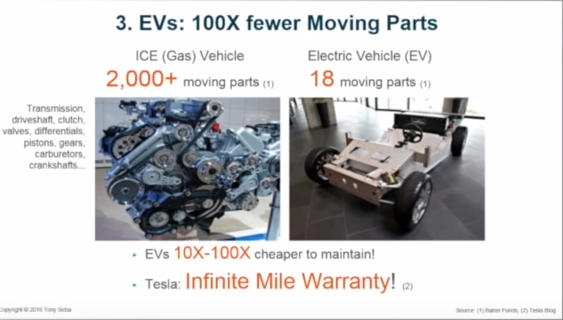
An average car is composed of thousands of parts, each playing a crucial role. From nuts and bolts to complex electronics, these components work together to ensure smooth operation. Understanding the intricate systems can reveal the complexity behind everyday transportation.
The modern automobile is a marvel of engineering, comprising thousands of parts working in harmony. Among these, environmental systems play a crucial role in ensuring both comfort and compliance with environmental regulations. Whether it’s keeping you cool on a hot summer day or ensuring your car’s emissions are as clean as possible, these systems are vital components of your vehicle.Heating, Ventilation, And Air Conditioning
The Heating, Ventilation, and Air Conditioning (HVAC) system in your car is more than just a luxury. It is essential for maintaining a comfortable environment inside your vehicle regardless of the weather outside. Imagine driving on a hot day without air conditioning or trying to defrost your windshield in winter without a heater. The HVAC system is made up of several parts, including compressors, condensers, and evaporators, each playing a crucial role in regulating the temperature and airflow in your car. Have you ever thought about how the air quality inside your car affects your health? A well-maintained HVAC system not only keeps you comfortable but also ensures the air you breathe is clean and fresh.Emission Control Systems
Emission control systems are the unsung heroes in the fight against pollution. These systems work tirelessly to reduce the number of harmful gases emitted from your vehicle’s exhaust. Parts like catalytic converters, oxygen sensors, and EGR valves are integral to this system. They ensure your car runs efficiently while minimizing its environmental impact. Have you ever wondered about the impact of your car on the environment? By maintaining your emission control system, you can significantly reduce your carbon footprint. This not only helps the planet but can also improve your car’s fuel efficiency. Think about it next time you hit the road—your car is doing more than just getting you from point A to point B. It’s playing a part in a much larger environmental picture.Exterior Components
The exterior of a car plays a vital role in its function and appearance. It is composed of several components that protect the vehicle and enhance its aesthetic appeal. Each part serves a unique purpose, contributing to the overall driving experience. Let’s dive into some key exterior components, including windows and mirrors, doors and locks, and paint and finish.
Windows And Mirrors
Windows provide visibility and protection from external elements. They are made from tempered glass for durability and safety. Mirrors help drivers see blind spots and navigate traffic. They come in various types, such as side mirrors and rearview mirrors, each offering distinct advantages. Heated mirrors prevent fogging in cold weather, ensuring clear visibility.
Doors And Locks
Car doors are crucial for entry and exit. They offer security and protect the interior from outside conditions. Modern cars feature advanced locking systems for safety. Keyless entry allows convenient access without fumbling for keys. Child locks prevent accidental opening, ensuring passenger safety.
Paint And Finish
Paint and finish define a car’s style and protect its body. They shield against rust, scratches, and weather damage. Different finishes provide unique looks, from glossy to matte. Regular maintenance keeps the paint looking fresh and vibrant. Protective coatings offer additional layers of defense against wear and tear.

Credit: www.facebook.com
Aftermarket Parts
An average car consists of around 30,000 parts, including small screws and fasteners. Many owners explore aftermarket parts for repairs or upgrades. These parts can enhance performance, style, and durability.
Aftermarket parts play a huge role in the automotive world. They offer car owners the chance to enhance their vehicles beyond factory specifications. These parts can improve performance, aesthetics, and functionality. Many car enthusiasts explore aftermarket options to personalize their rides. Let’s dive into the world of aftermarket parts.Customizations And Upgrades
Car owners often seek customizations to reflect personal style. Aftermarket parts allow for unique modifications. These can include new alloy wheels, body kits, or performance exhausts. Custom lighting and enhanced audio systems are also popular choices. Such upgrades not only improve looks but can also boost car performance.Replacement Parts
Replacement parts are essential for maintaining a car’s longevity. These parts often come at a lower cost than original equipment. They include essential components like brake pads, filters, and spark plugs. Aftermarket replacement parts offer variety, catering to different budgets and preferences. This helps keep cars running smoothly and safely.Frequently Asked Questions
What Is The Average Number Of Car Parts?
An average car has about 30,000 parts. This includes everything from nuts and bolts to complex engine components. The number varies based on the make and model. Modern cars often have more parts due to added technology and features.
How Are Car Parts Categorized?
Car parts are categorized into groups like body, engine, and electrical systems. Each category contains components vital for the car’s function. For example, the engine category includes pistons, valves, and the crankshaft. Proper categorization helps in maintenance and repairs.
What Are The Main Parts Of A Car?
The main parts include the engine, transmission, and chassis. These components form the core structure and operation of the vehicle. Other essential parts include the wheels, brakes, and steering system. Each part plays a crucial role in ensuring safe driving.
How Does Technology Affect Car Parts Count?
Technology increases the number of car parts. Features like GPS, sensors, and infotainment systems add complexity. These advancements require additional parts, wiring, and circuits. As technology evolves, the parts count continues to grow, enhancing functionality and convenience.
Conclusion
Understanding car parts can seem overwhelming. Cars contain thousands of components. Each plays a vital role. From engines to tires, every part is essential. Knowing about these parts aids in car maintenance. It helps in making informed decisions. A well-maintained car ensures safety and efficiency.
Next time you see a car, think of the many parts working together. Appreciate the complexity and engineering. Your knowledge can make a difference. Stay curious and informed. Car parts are fascinating and worth exploring.