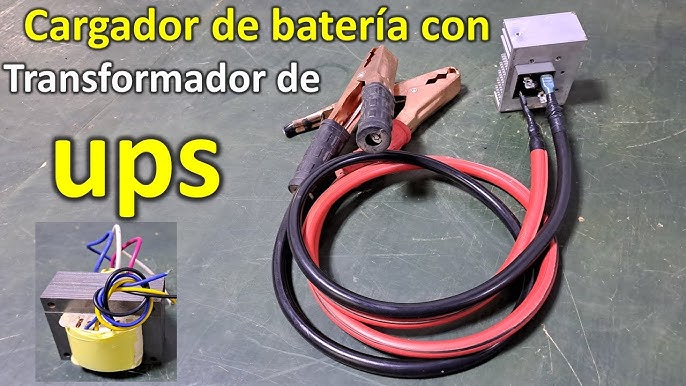
When your car battery dies, it can feel like your day has come to a screeching halt. But fear not, because hooking up a car battery charger is simpler than you might think.
Imagine the freedom of never having to wait for a jump start again. By learning this straightforward skill, you can save time, money, and avoid the stress of being stranded. You might be wondering if you can handle this task on your own.
The answer is yes, and it’s easier than you expect. By the end of this article, you’ll have the confidence and know-how to connect a car battery charger safely and efficiently. Keep reading, and you’ll discover the essential steps and tips that will empower you to tackle this common car maintenance task with ease.
Credit: www.africatwinforum.com
Choosing The Right Charger
Choosing the right charger for your car battery is crucial to ensure safety and efficiency. A charger that’s too powerful might damage your battery, while one that’s too weak could leave you stranded. It’s essential to understand the different types and specifications to make an informed choice.
Types Of Chargers
Chargers come in various forms, each suited for different needs. Here are some common types:
- Manual Chargers:These require you to monitor the charging process closely. They’re often less expensive but demand your attention.
- Automatic Chargers:These adjust the charging rate based on your battery’s needs, perfect for those who prefer a hands-off approach.
- Smart Chargers:Offering advanced features, they can diagnose battery issues and optimize charging for longevity.
Think about your lifestyle and how much time you’re willing to invest in charging. Do you prefer the control of a manual charger, or is convenience your priority?
Charger Specifications
Understanding charger specifications can make a world of difference. Consider these key aspects:
- Amperage:A charger with higher amperage will charge your battery faster. If you’re often in a hurry, look for chargers with higher amps.
- Voltage:Ensure the charger matches your battery’s voltage. Most car batteries are 12 volts, but double-check to avoid mismatches.
- Safety Features:Features like overcharge protection and reverse polarity warning can prevent accidents and extend battery life.
Have you ever wondered why your battery doesn’t last as long as you’d hoped? It might be because of the charger specifications. Choosing wisely can save you both time and money in the long run.

Credit: www.amazon.com
Safety Precautions
Before you dive into the process of hooking up a car battery charger, it’s crucial to prioritize safety. Handling car batteries involves certain risks, including electrical shocks and chemical exposure. By following essential safety precautions, you can protect yourself and ensure the longevity of your vehicle’s battery. Let’s explore some key safety aspects you should consider.
Protective Gear
Always wear protective gear when dealing with car batteries. A simple pair of gloves can shield your hands from corrosive battery acid. Ensure your gloves are made of rubber to prevent electrical conductivity.
Safety goggles are equally important. They protect your eyes from potential acid splashes or debris. You might not think it’s necessary, but a friend once had a close call when acid splashed during battery maintenance. It’s better to be safe than sorry.
Charger Safety Features
Modern battery chargers come with built-in safety features. Look for chargers with automatic shut-off functions. This feature prevents overcharging, which can damage the battery.
Some chargers offer reverse polarity protection. This ensures you won’t accidentally connect the charger incorrectly, which can lead to serious damage. Check the manual or product description for these crucial safety features.
Have you ever wondered why some chargers have cooling fans? This feature prevents overheating, ensuring safe and efficient operation. Make sure your charger has this feature, especially if you plan to charge the battery for extended periods.
By considering these safety precautions, you’re not just protecting yourself, but also enhancing your car’s performance. Are there any other safety tips you swear by when working with car batteries?
Preparing The Vehicle
Ensure the vehicle is parked on a flat surface and turned off. Open the hood to access the battery.
Preparing the Vehicle Hooking up a car battery charger might seem like a daunting task, especially if you’re not used to tinkering under the hood. But fear not! With some preparation, you’ll be ready to charge that battery in no time. The key is to ensure your vehicle is set up correctly before you even touch the charger. This preparation not only makes the process smoother but also ensures safety for both you and your vehicle.Parking The Car
Start by finding a flat, stable surface to park your car. This is crucial for your safety. A level ground prevents any accidental rolling which could lead to dangerous situations. Ensure there’s ample space around your car. This gives you the room to move freely while setting up the charger. It also helps to have good lighting so you can clearly see the battery terminals and charger connections. Turn off your car and remove the keys from the ignition. This step is often overlooked, but it’s essential for preventing electrical mishaps. Plus, it’s a good habit to always ensure everything is off before working on your vehicle.Accessing The Battery
Now, let’s get to the battery. Pop the hood using the lever inside your car, usually located near the driver’s seat. If you’re like me and have struggled with finding it, a quick peek at your car manual can save time. Once the hood is open, secure it with the hood prop. This keeps it from unexpectedly closing while you’re working underneath. It’s a simple step, yet crucial for your safety. Locate the battery, which is often encased in a protective cover. Remove any covering to expose the battery terminals. Be gentle when removing the cover to avoid any damage to the surrounding components. Finally, take a moment to inspect the battery terminals. Look for any dirt or corrosion. A clean connection ensures efficient charging, so if needed, clean the terminals with a wire brush. This small step can make a big difference in the overall charging process. Now that your vehicle is ready, you’re one step closer to reviving that battery. Have you ever skipped any of these steps and faced issues? Share your experiences, and let’s learn together!
Credit: www.facebook.com
Connecting The Charger
Ensure the car is off and the charger is unplugged. Connect the red clamp to the positive battery terminal. Attach the black clamp to the negative terminal, then plug in the charger.
Connecting a car battery charger is a straightforward task. First, ensure the vehicle is turned off. This keeps you safe from electrical shocks. Make sure you have a compatible charger. The charger should match your car battery’s voltage. Follow these steps to connect the charger correctly.Identifying Battery Terminals
Locate your car battery under the hood. It has two terminals: positive and negative. The positive terminal is marked with a plus sign (+). It often has a red cover or is connected to a red cable. The negative terminal has a minus sign (-). This terminal usually connects to a black cable. Knowing these signs is crucial for a correct connection.Attaching Charger Clamps
Once you identify the terminals, attach the charger clamps. Start with the positive clamp. Connect the red clamp to the positive terminal. Ensure it is secure and stable. Then, attach the black clamp to the negative terminal. Double-check both clamps are tight. Loose clamps can cause issues during charging. Now, set the charger to the correct settings. Plug it into a power source. This starts the charging process. Check the charger’s manual for specific instructions.Setting Up Charging
Setting up a car battery charger involves a few simple steps. It’s crucial for ensuring your battery charges safely and effectively. Following these steps can extend your battery’s life and improve car performance.
Selecting Charging Mode
Modern chargers offer different modes. It’s essential to choose the right one. Common modes include fast charge and slow charge. Each serves a different purpose. A fast charge is quick but less gentle on the battery. A slow charge takes longer but is safer for battery health. Check your charger manual for guidance on modes.
Adjusting Charging Parameters
Adjusting the charging parameters is important. This ensures the battery charges correctly. Look for voltage and current settings on the charger. Match these settings with your battery’s specifications. This helps avoid overcharging or undercharging. Always consult the battery’s manual if unsure. Proper settings lead to efficient charging and longer battery life.
Monitoring The Charging Process
Safely connect the charger to the battery terminals. Ensure proper polarity to avoid damage. Regularly check the charger display to monitor progress and prevent overcharging.
Monitoring the charging process is crucial for safe and effective battery charging. Keeping an eye on the process helps prevent overcharging. It also ensures the battery is working correctly. This step keeps your car battery healthy and reliable.Checking Charging Indicators
Most chargers have indicators that show the charging status. These lights or displays tell you if the battery is charging or full. Green lights often mean the battery is charged. Red or yellow lights usually indicate ongoing charging. Always refer to the charger manual for specific details. Understanding these indicators helps manage the charging time efficiently.Recognizing Charging Completion
Knowing when the battery is fully charged is important. A fully charged battery prevents damage and extends battery life. Many chargers automatically stop when charging is complete. Listen for a beep or look for a specific light signal. Some chargers will turn off or display a message. Always confirm the battery is fully charged before disconnecting.Disconnecting The Charger
Disconnecting the charger is the final step after your car battery is fully charged. Ensure the charger is turned off, then carefully remove the clamps, starting with the negative cable.
Disconnecting the charger from your car battery requires attention and care. Safety is key during this process to avoid any mishaps. It’s important to follow the steps methodically to ensure both your safety and the longevity of your battery.Removing Charger Safely
Begin by turning off the charger. Ensure that the power switch is off before touching any cables. This prevents any electrical sparks or short circuits. Next, disconnect the charger from the power source. Unplug it from the wall outlet or any extension cord. Once the power is off, remove the cables from the battery. Start with the negative cable. This is usually black and marked with a minus (-) sign. Detach it carefully to avoid any contact with the metal parts of the car. Then, proceed to the positive cable. This one is typically red and marked with a plus (+) sign. Ensure you handle the cables without yanking or pulling harshly.Storing The Charger
After disconnection, store the charger properly. Coil the cables neatly to prevent tangling. A tangled cable can become damaged over time. Place the charger in a dry, cool area. Avoid places with extreme temperatures or moisture. A garage shelf or a storage closet works well. Ensure the charger is out of reach of children and pets. This prevents accidents and keeps the charger safe. Regularly check the charger for any signs of wear or damage. Replace any frayed cables or broken parts immediately. Proper storage extends the life of your charger, ensuring it is ready for future use.Troubleshooting Common Issues
Hooking up a car battery charger seems easy. Yet, issues may arise. Understanding how to handle these problems is crucial. It ensures safe and effective charging. This guide covers common issues and solutions.
Dealing With Charging Errors
Charging errors can be frustrating. First, check if the charger is working. Look for error messages or lights. They can signal a problem. Also, ensure the charger settings match your battery type. Incorrect settings may trigger errors.
Resetting the charger can sometimes help. Unplug it, wait a few minutes, then try again. If errors persist, consult the manual or manufacturer.
Handling Faulty Connections
Connections must be secure. Loose connections can cause charging failures. Ensure the clamps are tightly attached to the battery terminals. Check for any corrosion on the terminals. Clean them with a wire brush if needed.
Ensure the positive and negative cables are connected correctly. Reversed connections can damage the battery. Always double-check before turning on the charger.
Frequently Asked Questions
What Tools Are Needed To Hook Up A Charger?
To hook up a car battery charger, you need a charger, gloves, and safety goggles. Ensure you have a clean cloth to wipe battery terminals. Use a wrench to loosen battery terminal nuts if needed. Always follow the charger manual for specific instructions.
Can I Charge A Battery Without Disconnecting It?
Yes, you can charge a battery without disconnecting it. Ensure the vehicle is turned off before connecting the charger. Attach the charger clamps to the correct battery terminals. Follow the manufacturer’s instructions for charging. It’s a convenient method to recharge without removing the battery.
How Do I Know My Battery Is Charging?
Check the charger indicator light or display. Most chargers have LED indicators that show charging status. A steady light often means charging is ongoing. Some chargers beep or show a percentage. Refer to your charger manual for detailed instructions.
What Precautions Should I Take When Charging?
Always wear gloves and goggles for safety. Ensure the charger is turned off before connecting it. Connect the positive clamp first, then the negative. Avoid smoking or open flames near the battery. Follow all safety instructions provided by the charger manufacturer.
Conclusion
Charging your car battery is simple with the right steps. Connect the charger properly to avoid mistakes. Always check the manufacturer’s instructions for specific guidance. Keep safety in mind while handling electrical devices. Regularly inspect your battery and charger for any issues.
Proper maintenance ensures long battery life. Don’t forget to disconnect everything when done. Remember, a well-charged battery means a reliable car. Practicing these steps makes charging easy and safe. Stay informed and enjoy peace of mind on the road.