
Have you ever wondered how long it takes to die from car exhaust? It’s a chilling thought, but understanding the dangers could save a life—maybe even yours or someone you love.
Carbon monoxide, the silent killer lurking in exhaust fumes, is more dangerous than you might think. You don’t see it, and you don’t smell it. Yet, its effects are swift and lethal. You might think you know your way around cars or that this is something that only happens in movies.
However, the harsh reality is that it can happen to anyone. This article will uncover the unsettling truth behind car exhaust poisoning, dispelling myths and providing you with the knowledge you need to protect yourself. Prepare to be both shocked and informed as we unravel this life-or-death topic. Are you ready to learn the facts that could make all the difference?
Mechanism Of Carbon Monoxide Poisoning
Carbon monoxide poisoning from car exhaust is a silent killer that can strike in mere minutes. High concentrations of CO can cause rapid loss of consciousness and death within 4-6 minutes. Prolonged exposure to lower levels can still lead to severe health issues and fatalities.
Carbon monoxide poisoning occurs when carbon monoxide builds up in the body. This can happen when people breathe in carbon monoxide from car exhaust, faulty furnaces, or other sources. Once in the body, carbon monoxide binds to hemoglobin in red blood cells.How Carbon Monoxide Affects The Body
Carbon monoxide binds to hemoglobin more easily than oxygen. This means that when carbon monoxide is present, it takes the place of oxygen in the blood. As a result, the body’s tissues do not receive the oxygen they need to function properly.Symptoms Of Carbon Monoxide Exposure
The symptoms of carbon monoxide poisoning can vary from person to person. They can include: Headache Dizziness Nausea Vomiting Fatigue Confusion Loss of consciousness These symptoms can appear within minutes or hours of exposure to carbon monoxide. In severe cases, carbon monoxide poisoning can lead to brain damage or even death.
Credit: www.amazon.ca
Factors Affecting Time To Fatality
Car exhaust exposure time to fatality depends on gas concentration and individual health. High levels of carbon monoxide in exhaust can lead to death within minutes. Environmental factors and ventilation also affect the time it takes to succumb to fumes.
Factors Affecting Time to Fatality Several elements impact the time it takes to die from car exhaust. These factors determine how quickly carbon monoxide poisoning can lead to death. Understanding these factors can help in assessing risks and taking preventive measures.Concentration Levels Of Carbon Monoxide
The concentration of carbon monoxide in the exhaust is crucial. Higher levels lead to faster poisoning. Car engines produce varying amounts of this toxic gas. Older vehicles may emit more carbon monoxide. Poor maintenance increases the risk too. Enclosed spaces amplify the danger. Carbon monoxide builds up quickly indoors.Duration Of Exposure
Time spent exposed to car exhaust significantly affects fatality risk. Longer exposure means more carbon monoxide enters the bloodstream. Short exposures can be deadly if concentration is high. Even brief exposure is dangerous in confined areas. Continuous exposure worsens the situation rapidly.Individual Health Variables
Personal health conditions play a role in susceptibility. People with heart or lung issues are more vulnerable. Age affects how the body handles carbon monoxide. Children and elderly individuals are at higher risk. Fitness level influences resistance to poisoning. Healthy individuals may tolerate exposure longer.Environmental Conditions
Understanding the environmental conditions that influence the lethality of car exhaust is crucial for both prevention and awareness. Various factors like ventilation, temperature, and weather play significant roles in determining how quickly carbon monoxide from car exhaust can become fatal. By exploring these elements, you can better comprehend the risks and take necessary precautions.
Impact Of Ventilation
Ventilation can drastically alter the impact of car exhaust on your health. In a well-ventilated area, carbon monoxide disperses more quickly, reducing the chances of it reaching dangerous levels. However, in enclosed spaces like a closed garage, the absence of airflow traps the gas, accelerating its harmful effects.
Imagine sitting in a car with the engine running in a sealed garage. The carbon monoxide concentration rises rapidly, posing an immediate threat. On the other hand, if you were parked outdoors with the engine on, the gas would be dispersed by the wind, significantly lowering the risk.
Role Of Temperature And Weather
Temperature and weather conditions also influence the dispersion of car exhaust. Cold weather can exacerbate the situation, as people tend to keep their cars running to warm them up, often in enclosed spaces. This increases the risk of carbon monoxide buildup.
Rain or high humidity can trap pollutants closer to the ground, making it harder for gases like carbon monoxide to disperse. On the contrary, windy conditions help disperse the exhaust, reducing its concentration and potential harm.
Have you ever noticed how pollution seems worse on a still, foggy day? That’s because the lack of air movement allows pollutants to linger. Being mindful of these conditions can help you make safer choices regarding car usage.

Credit: www.instagram.com
Car Exhaust And Carbon Monoxide
Car exhaust fumes are a major concern due to their toxic nature. Carbon monoxide, a colorless and odorless gas, is one of the most dangerous components. It can cause serious health risks, including death, when inhaled in large quantities. Understanding these risks is crucial for safety.
Modern Vehicle Emission Standards
Modern vehicles follow strict emission standards to minimize carbon monoxide output. These standards ensure that cars emit less harmful gases. They are designed to protect the environment and human health. Regular maintenance of vehicles also helps in reducing emissions.
New technologies in cars help in filtering exhaust gases efficiently. Catalytic converters play a significant role here. They convert toxic gases into less harmful ones. This reduces the overall risk associated with car exhaust fumes.
Common Misconceptions
Many people believe older cars emit more carbon monoxide. While this is often true, modern cars can still pose risks if not maintained. Some think that exhaust fumes are harmless outdoors. This is incorrect, as even small amounts can be dangerous.
Another misconception is that only running cars emit harmful gases. Cars can emit carbon monoxide even when idle. Understanding these misconceptions can help in taking appropriate precautions.
Preventive Measures
Preventive measures are crucial in safeguarding yourself and your loved ones from the dangers of car exhaust. Carbon monoxide poisoning is a silent threat that can strike without warning, making it vital to implement practical steps to reduce risk. By adopting straightforward safety practices, you can ensure a safer environment whether you’re at home or on the road.
Safety Tips For Vehicle Use
Every driver should be aware of simple safety tips that can make a big difference. Always ensure your vehicle is well-maintained, as a faulty exhaust system can leak dangerous gases. Regular check-ups and servicing can catch these issues early.
When warming up your car, avoid enclosed spaces like garages. Even a few minutes can lead to hazardous levels of carbon monoxide buildup. Instead, open the garage door or, if possible, move the car outside.
Consider the environment around you. Are you parked near a school or playground? Your actions could inadvertently affect others. Keeping these factors in mind is not just about personal safety but community responsibility.
Carbon Monoxide Detectors
Installing carbon monoxide detectors in your home can provide an early warning system against invisible threats. These devices are designed to alert you when dangerous levels of carbon monoxide are present, giving you time to react.
Place detectors in strategic locations. Common areas like the kitchen and garage are ideal spots. Ensure they are functioning correctly by testing them regularly and replacing batteries as needed.
Have you ever considered the peace of mind a simple detector can offer? Knowing you have an extra layer of protection can make all the difference, especially when the unexpected strikes.
Addressing carbon monoxide risks isn’t just about technology—it’s about vigilance. Engage your household in safety discussions, and ensure everyone knows how to respond to an alarm. Your proactive approach could be lifesaving.
Emergency Response
Being exposed to car exhaust can be life-threatening. Quick and effective emergency response can save lives. The toxic fumes from exhaust contain carbon monoxide. This gas is colorless and odorless. It deprives the body of oxygen, leading to severe consequences. Acting fast can prevent fatalities and minimize harm.
Immediate Actions To Take
Recognize the signs of carbon monoxide poisoning. These include headache, dizziness, and confusion. If someone shows these symptoms, act promptly:
- Move the person to fresh air immediately.
- Call emergency services without delay.
- Begin CPR if the person is not breathing.
- Keep the person warm and calm.
Quick action can be the difference between life and death. Ensure all car engines are off in enclosed spaces. Ventilate the area to reduce carbon monoxide levels.
Long-term Health Consequences
Surviving carbon monoxide exposure can still impact health. Long-term effects may occur even after recovery. These may include:
- Memory loss and concentration issues.
- Emotional instability or personality changes.
- Frequent headaches or chronic fatigue.
- Heart complications in severe cases.
Regular medical check-ups can monitor and manage these consequences. Addressing symptoms early can improve quality of life. Stay informed about the risks of car exhaust exposure.
Case Studies And Statistics
Case studies highlight varied times for death from car exhaust exposure, depending on conditions and individual factors. Statistics show carbon monoxide poisoning can be rapid, with fatal results in minutes to hours.
Understanding the lethal effects of car exhaust is not just a matter of science; it’s a matter of life and death. The statistics are alarming, and the case studies bring a stark reality to the forefront. How long does it really take for someone to succumb to car exhaust fumes? Let’s dive into the data and real-life stories that shed light on this critical issue.Analyzing Real-life Incidents
Real-life incidents provide invaluable insights into the dangers of car exhaust. In one documented case, a young couple was found unconscious in a closed garage after running their car for just over an hour. Their tragic story emphasizes the silent, deadly nature of carbon monoxide poisoning. Another incident involved a man who accidentally left his car running overnight. By morning, he was found unconscious, and sadly, he did not survive. These stories are not just statistics; they are chilling reminders that car exhaust can be fatal in a surprisingly short time.Trends Over Recent Years
The statistics over recent years reveal a concerning trend. Despite advancements in car technology, the number of deaths related to car exhaust hasn’t significantly decreased. Many cases are due to accidental exposure, often occurring in enclosed spaces. Interestingly, the data shows a slight increase in cases during colder months. This trend suggests that people may be more likely to keep their cars running in closed garages to warm up their vehicles. Have you ever wondered about the impact of improved exhaust systems on these statistics? While modern cars emit less carbon monoxide, they are not entirely safe. Awareness and caution remain crucial for your safety. As you navigate your daily life, consider these statistics and stories. How might you ensure your safety and that of your loved ones? The implications are more profound than one might initially think.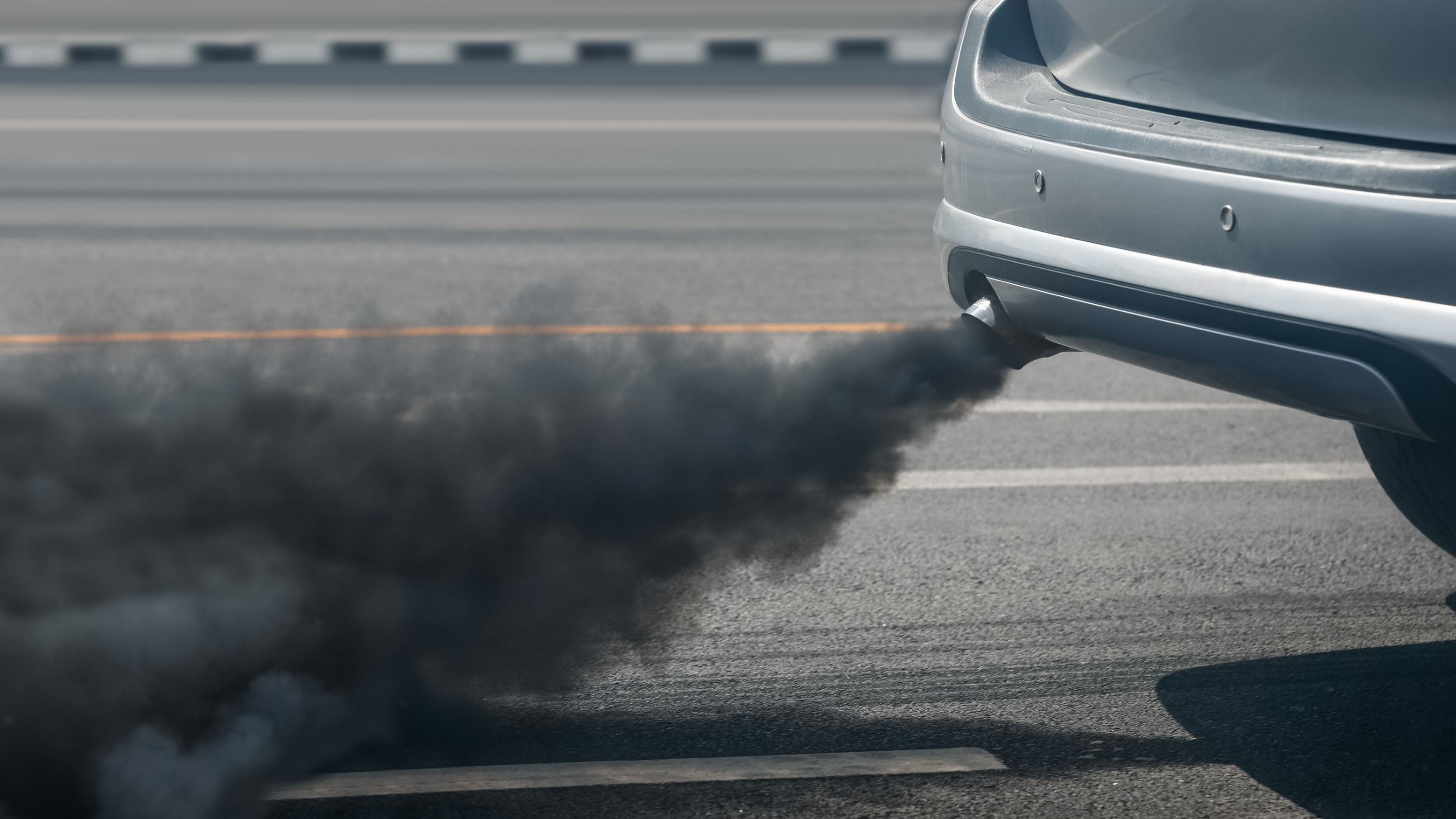
Credit: www.spinny.com
Frequently Asked Questions
Can Car Exhaust Cause Immediate Death?
Car exhaust can lead to immediate death due to carbon monoxide poisoning. The gas prevents oxygen from reaching vital organs. Prolonged exposure can be fatal within minutes. Always ensure proper ventilation and never run a car in an enclosed space.
How Long Before Exhaust Fumes Become Lethal?
Exhaust fumes can become lethal within minutes in enclosed spaces. Carbon monoxide builds up quickly, displacing oxygen. Symptoms like headaches and dizziness appear first. Without intervention, prolonged exposure can be fatal. Ensure ventilation and monitor air quality to prevent poisoning.
What Symptoms Indicate Car Exhaust Poisoning?
Early symptoms of car exhaust poisoning include headaches and dizziness. Nausea and confusion may follow. Prolonged exposure causes unconsciousness and can be fatal. Carbon monoxide is odorless, making detection difficult. Install detectors and ensure ventilation to prevent poisoning.
Is It Safe To Idle A Car In A Garage?
Idling a car in a garage is unsafe due to carbon monoxide buildup. The gas can reach dangerous levels quickly. Ensure good ventilation and open doors. Consider using carbon monoxide detectors. Always prioritize safety and avoid running a vehicle in enclosed spaces.
Conclusion
Understanding the risks of car exhaust exposure is crucial for safety. It can be lethal in a short time. Stay informed to protect yourself and others. Prevention is key. Ensure proper ventilation and regular vehicle maintenance. If you suspect exposure, seek fresh air immediately.
Early intervention saves lives. Share this knowledge with friends and family. Awareness can prevent tragic outcomes. Your safety matters. Stay vigilant and informed. Remember, knowledge empowers safety.