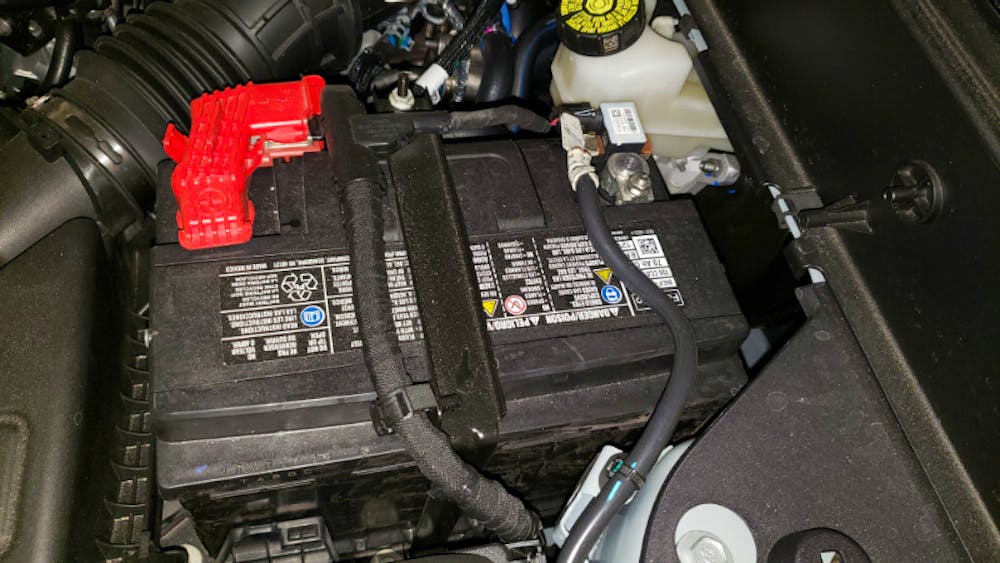
Picture this: you’re about to head out for a busy day, you turn the key in the ignition, and nothing happens. Your car battery is dead, leaving you stranded.
It’s a situation many of us have faced, and it instantly raises a critical question: how much does it cost to replace a car battery? Knowing the answer can save you time, money, and stress when you’re in a pinch.
In this guide, we’ll dive into the costs involved, unraveling the mystery behind car battery prices and replacements. You’ll discover factors that affect the cost, from the type of vehicle you drive to the brand of battery you choose. By the end, you’ll be equipped with the knowledge to make smart, informed decisions, ensuring your car is back on the road without breaking the bank. Ready to regain control and peace of mind? Keep reading to uncover the true cost of replacing your car battery.
Factors Affecting Battery Replacement Cost
Replacing a car battery can vary in cost due to several factors. Understanding these can help you budget effectively. The type of battery, car make and model, and location and labor costs all play a role. Each factor contributes differently, influencing the final price. Let’s delve into each one.
Type Of Battery
Different batteries have different price points. Lead-acid batteries are usually cheaper. Absorbent Glass Mat (AGM) batteries cost more due to their design. Lithium-ion batteries are the most expensive. They offer longer life and better performance. The choice depends on your car’s needs and your budget.
Car Make And Model
The make and model of your car can affect battery costs. Luxury cars often require specialized batteries. These are pricier than standard ones. Older models might need less expensive batteries. Newer models may demand advanced technology, increasing the price. Always check your car’s specifications for the right battery type.
Location And Labor Costs
Your location impacts labor costs for battery replacement. Urban areas usually have higher labor rates. Rural areas might offer cheaper services. The shop’s hourly rate adds to the total cost. Consider getting quotes from different places. This can help find the best price for your budget.

Credit: www.yellowpages.com.au
Average Price Range
Understanding the cost of replacing a car battery can save you from unexpected expenses. It’s not just about finding a battery that fits your car; it’s about balancing cost, performance, and longevity. Let’s explore the average price range and what you can expect at different budget levels.
Low-end Batteries
Low-end batteries are typically the most budget-friendly option. Prices for these can range from $50 to $100. Although they are affordable, they might not offer the best longevity or performance. These batteries are suitable if you’re looking for a quick replacement and don’t drive frequently.
Mid-range Options
If you’re looking for a balance between cost and performance, mid-range options might be your best bet. These batteries usually cost between $100 and $200. They offer decent reliability and lifespan, making them ideal for everyday drivers. Investing a bit more in this range can save you time and hassle down the road.
Premium Batteries
Premium batteries are priced at $200 and above, offering superior performance and longevity. They are designed for those who rely heavily on their vehicles and require a battery that can withstand extreme conditions. If you live in an area with harsh weather or drive long distances regularly, a premium battery might be worth the investment.
Additional Costs To Consider
When planning to replace your car battery, it’s essential to consider additional costs that might creep into your budget. These aren’t always obvious, but they can significantly impact your overall expenses. Let’s dive into some of these extra charges that you might encounter.
Installation Fees
Have you ever tried installing a car battery yourself? Many opt for professional installation to avoid the hassle and ensure proper connection. This service typically comes with a fee, ranging anywhere from $20 to $50 depending on the complexity and the service provider. It’s a small price for peace of mind, but worth adding to your budget checklist.
Battery Disposal Charges
What happens to your old battery once it’s replaced? You can’t just throw it away due to environmental regulations. Most auto shops will handle disposal for you, but this might come at an extra cost, often around $10 to $15. Some places might waive this fee if you purchase a new battery from them. It’s always a good idea to inquire about disposal options when buying your new battery.
Warranty And Maintenance Plans
Is your new battery covered by a warranty? While warranties can provide a safety net for unexpected issues, they often come with additional costs. You might also consider a maintenance plan to ensure your battery stays in peak condition. These plans can vary widely in price, so it’s crucial to weigh the benefits against the costs. Is the extra protection worth the price for you?

Credit: m.facebook.com
Diy Vs Professional Replacement
Replacing a car battery yourself might cost around $50 to $200. Professional replacement fees can add $50 to $100. DIY saves labor costs, while professional services offer convenience and warranty benefits.
Replacing a car battery can seem daunting, leaving you with the choice between doing it yourself or hiring a professional. Each approach has its own set of advantages and challenges. Understanding these can help you make an informed decision, ensuring your car runs smoothly without breaking the bank.Pros And Cons Of Diy
Opting for a DIY car battery replacement can be both rewarding and cost-effective. By doing it yourself, you avoid labor charges, which can make a significant difference in your total expenses. Additionally, you gain hands-on experience, boosting your confidence in managing car maintenance tasks. However, the DIY approach isn’t without its pitfalls. You need to have the right tools and know-how to avoid potential mishaps, like connecting the terminals incorrectly. There’s also the risk of voiding your car’s warranty if something goes wrong. Are you prepared to tackle these challenges?Benefits Of Professional Service
Professional service offers peace of mind that your car battery replacement will be done correctly. Technicians have the expertise to handle any issues that may arise, ensuring your car is in safe hands. Plus, professionals often offer warranties on their work, providing additional security. Time is another factor to consider. A professional can typically replace a battery more quickly, saving you valuable time. This can be particularly beneficial if you have a packed schedule. Is the convenience and assurance worth the extra cost for you? Making the decision between DIY and professional replacement ultimately depends on your comfort level and priorities. Whether you choose to roll up your sleeves or call in the experts, ensure you’re equipped with the right information to keep your vehicle running smoothly.Tips For Saving On Battery Replacement
Explore local auto shops for affordable car battery options. Compare online prices for discounts and promotions. Opt for high-quality batteries to extend lifespan and reduce replacement frequency.
Replacing a car battery might seem like a simple task, but the costs can quickly add up if you’re not careful. Fortunately, there are several strategies you can use to save money on battery replacement. By being proactive and informed, you can keep your expenses down and ensure your vehicle runs smoothly.Shopping Around For Deals
Don’t settle for the first price you encounter. Visit different retailers, both online and in-store, to compare prices. You might find significant differences in cost for the same type of battery. Consider checking automotive supply stores, big-box retailers, and online marketplaces. Sometimes, local stores have special promotions or clearance sales that aren’t advertised widely. Keep an eye out for these opportunities. Online reviews can also be helpful in finding reliable retailers. Look for sellers with positive feedback and a history of good customer service.Considering Rebates And Discounts
Rebates and discounts can substantially reduce the cost of a new car battery. Check the manufacturer’s website for any ongoing promotions. Some brands offer rebates when you purchase directly from them or from authorized retailers. Retailers frequently have seasonal sales or special discount days. Signing up for newsletters or loyalty programs can keep you informed about upcoming deals. Don’t forget to check if your local auto shop offers discounts for returning customers or if they have partnerships with battery brands.Maintaining Battery Health
Proper maintenance can extend the life of your current battery, delaying the need for replacement. Regularly clean the battery terminals to prevent corrosion, which can impede performance. Ensure your battery is securely fastened to avoid vibrations that could cause damage. Additionally, check your car’s electrical system for any issues that might drain the battery. Consider investing in a battery charger or maintainer if you don’t drive regularly. This can keep your battery charged and ready to go, especially during colder months. Have you ever thought about how much you could save just by taking a few simple steps? Implementing these tips can lead to significant savings over time, giving you more money to spend on other priorities.Importance Of Timely Battery Replacement
Timely battery replacement is crucial to maintaining your vehicle’s reliability and performance. A car battery doesn’t just power the engine start; it supports every electronic component in your vehicle. Ignoring signs of a failing battery can lead to unnecessary stress and expense.
Avoiding Unexpected Breakdowns
Imagine being stranded in a parking lot or at the side of the road because your car won’t start. This scenario is not just inconvenient but can also be dangerous, especially in extreme weather conditions. Regular battery checks and timely replacements can prevent these unexpected breakdowns, ensuring that your car starts reliably every time.
Replacing your battery before it fails avoids the hassle of emergency tows or roadside assistance calls. It’s a small investment in your peace of mind and your car’s dependability.
Ensuring Optimal Performance
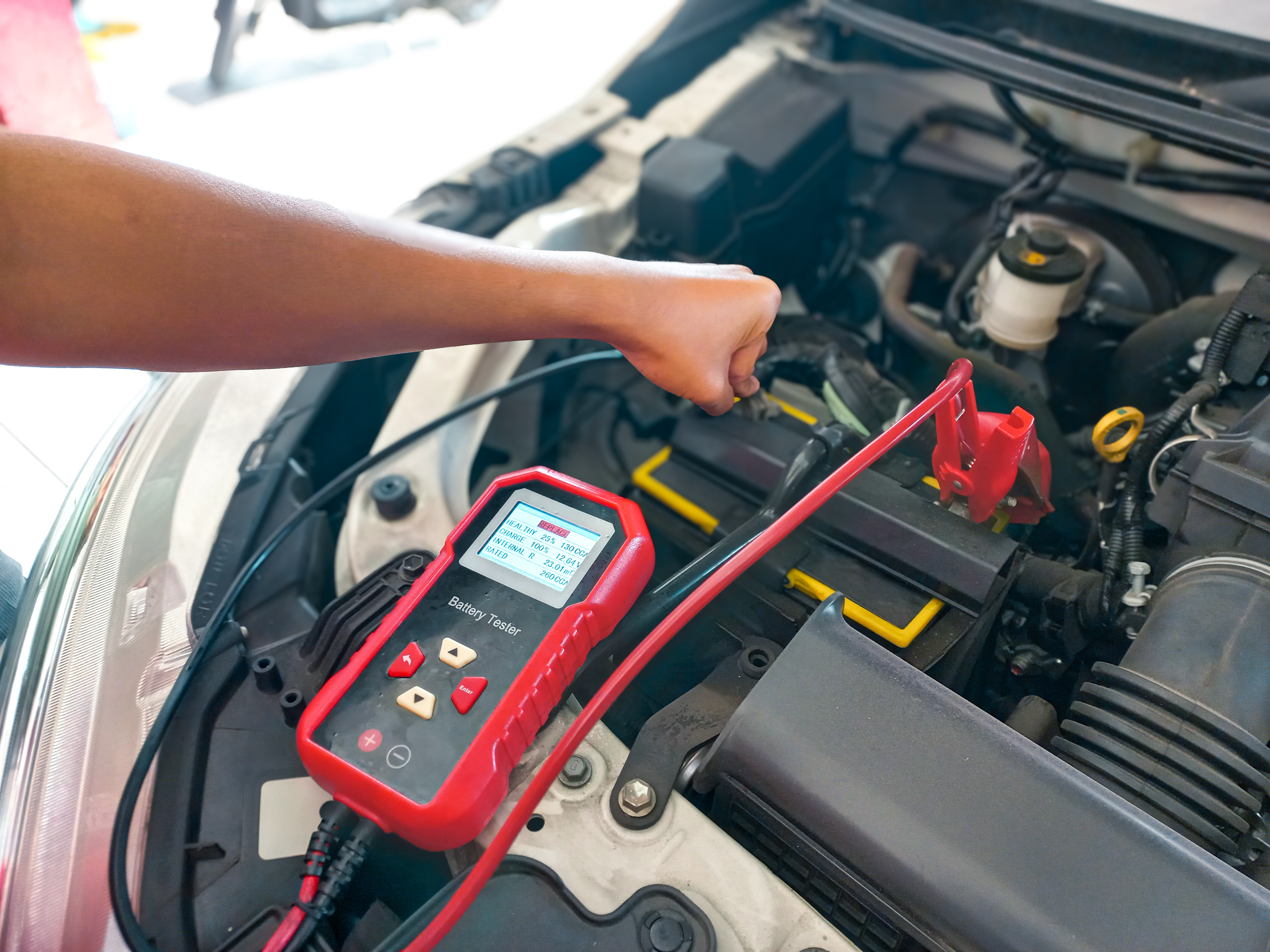
A healthy battery ensures that all vehicle components function optimally. From headlights to the air conditioning system, every feature relies on the battery for power. A weak battery can cause flickering lights or sluggish performance of electronic features.
Have you noticed your headlights dimming when idling? This might be a sign that your battery is nearing the end of its life. Replacing it on time keeps your vehicle running smoothly and prevents unnecessary wear on other components.
Consider the impact on fuel efficiency as well. A struggling battery can indirectly affect how your engine performs, potentially leading to increased fuel consumption. By replacing your battery proactively, you’re not only ensuring top-notch performance but also possibly saving money on fuel.
Credit: www.airtasker.com
Frequently Asked Questions
What Affects Car Battery Replacement Cost?
Several factors influence the cost, including battery type, brand, and vehicle model. Labor costs also vary based on location and service provider. Additional services like battery disposal or installation can add to the overall price. It’s crucial to compare prices and services before making a decision.
How Often Should Car Batteries Be Replaced?
Car batteries typically last between 3 to 5 years, depending on usage and climate. Regular maintenance and checks can extend battery life. Signs like slow engine start or dim headlights indicate it’s time for a replacement. Always consult your vehicle’s manual for specific recommendations.
Can I Replace A Car Battery Myself?
Replacing a car battery is possible with basic tools and knowledge. Ensure safety by disconnecting the negative cable first. Consult your vehicle’s manual for proper installation. While DIY can save money, professional installation ensures accuracy and safety, especially for complex vehicles.
What Is The Average Cost Of A Car Battery?
The average cost ranges from $50 to $200, depending on battery type and brand. Premium batteries with advanced features can be more expensive. It’s essential to choose a battery that fits your vehicle’s requirements for optimal performance and longevity.
Conclusion
Replacing a car battery doesn’t have to be confusing. Costs vary, influenced by battery type and brand. Labor charges may add to the expense. Remember, regular maintenance helps extend battery life. Compare prices from different shops. Ensure you get the best value.
Quality matters more than cost alone. Take time to research options. A good choice keeps your car running smoothly. So, be informed and choose wisely. Your car will thank you.