
Have you ever wondered why your car battery isn’t suitable for your boat, or vice versa? Understanding the difference between marine and car batteries is crucial for maintaining the performance and longevity of your vehicles.
Each type of battery is designed with specific features and purposes in mind, which means using the wrong one could lead to unexpected breakdowns or costly replacements. As you delve into this article, you’ll discover the unique characteristics that set marine and car batteries apart.
This knowledge not only empowers you to make informed decisions but also ensures the safety and efficiency of your vehicles. Stick around to learn how choosing the right battery can save you time, money, and stress.
Battery Composition
Marine and car batteries differ in composition due to their functions. Marine batteries endure vibrations and water exposure, providing longer power delivery. Car batteries deliver short bursts of high power, mainly for starting engines. These differences ensure each battery type suits its specific environment and performance needs.
Battery composition plays a crucial role in the performance and lifespan of both marine and car batteries. Understanding the differences in their composition can help you choose the right battery for your needs. Let’s explore how these batteries differ in terms of internal construction and material differences.Internal Construction
Marine batteries have thicker plates than car batteries. This helps them withstand deep discharges. They are designed to provide power for longer periods. Car batteries, on the other hand, have thinner plates. They deliver a quick burst of energy to start the engine. This makes them less suited for prolonged use.Material Differences
Marine batteries often use denser materials. This provides better durability in harsh conditions. They may contain more lead to handle deep cycles. Car batteries use lighter materials. They focus on delivering high cranking power. This is essential for starting vehicles quickly. The choice of material affects the battery’s weight and efficiency.Power Output
Power output is a crucial factor when choosing between a marine battery and a car battery. Understanding how these batteries deliver energy can help you make an informed decision. Whether you’re powering a boat or a car, it’s essential to consider voltage levels and current capacity.
Voltage Levels
Marine batteries typically offer 12 volts, similar to car batteries. However, some marine batteries are designed to handle dual voltage systems, providing both 12V and 24V outputs. This flexibility can be beneficial for boating enthusiasts who need to power various onboard electronics.
Car batteries are standardized at 12 volts, which is sufficient for most automotive needs. This consistent voltage ensures that your vehicle’s electrical systems operate smoothly. But have you ever thought about what happens when you need more power?
Current Capacity
Marine batteries often have higher current capacity to support additional onboard equipment like GPS systems, fish finders, and stereo systems. This higher capacity is necessary for prolonged use and reliability when you’re out on the water.
On the other hand, car batteries are designed for short bursts of high power, such as starting the engine. They deliver the necessary current to ensure your car starts, but what if you’re planning a long road trip with multiple electronic devices? It’s worth considering whether your car battery can handle the extra load.
Design Features
The design features of marine and car batteries are tailored to meet their specific operational demands. Each type has unique characteristics that affect how they fit into their respective environments. Understanding these features can help you choose the right battery for your needs. Let’s dive into some key design aspects that set them apart.
Size And Shape
Marine batteries are often larger and more robust compared to car batteries. This design allows them to withstand harsh conditions at sea. Their bulkier size is necessary to store more energy, catering to the demands of marine applications. Car batteries, on the other hand, are compact to fit snugly within the limited space of a vehicle’s engine compartment.
Have you ever struggled to fit a battery into a tight space? Car batteries are designed to solve this issue with their standardized dimensions, ensuring compatibility with most vehicles. Marine batteries prioritize durability over compactness, making them less suitable for small spaces but perfect for marine equipment.
Terminal Types
The terminal types of marine and car batteries reflect their intended use. Marine batteries often have heavier-duty terminals to handle the vibrations and movement on a boat. They may include threaded studs for secure connections, preventing dislodgement in rough waters.
Car batteries typically feature standard post terminals, which are easier to connect and disconnect. This design caters to the relatively stable environment of a vehicle. Have you considered how these terminals affect maintenance? With marine batteries, the robust terminals ensure longevity, but car battery terminals offer convenience and simplicity.
Which terminal type suits your needs? If your application involves harsh conditions, marine battery terminals are your best bet. For everyday vehicle use, car battery terminals provide the accessibility and ease you require.
Durability And Longevity
Marine and car batteries serve different purposes. Their durability and longevity are crucial. These factors determine how long they last and how well they perform under stress. Understanding these differences helps in making informed choices.
Life Expectancy
Marine batteries generally offer a longer life span. They are designed for deep discharges and frequent use. In contrast, car batteries often have shorter life spans. They provide quick bursts of energy for starting engines. Regular maintenance extends their life, but they still wear out faster.
Resilience To Conditions
Marine batteries withstand harsh marine environments. They resist vibrations, saltwater, and humidity. This makes them more robust in challenging conditions. Car batteries, on the other hand, operate in controlled environments. They are not exposed to severe conditions as often. This means they are less resilient to extreme weather or rough terrain.
Applications And Usability
Understanding the applications and usability of marine and car batteries is essential. Each type serves unique purposes in their respective environments. Knowing these differences can aid in selecting the right battery for your needs.
Marine Usage
Marine batteries power boats and other watercraft. They are designed to withstand harsh marine conditions. These batteries endure humidity, saltwater, and constant vibrations. Their robust construction ensures reliable performance in marine environments. Marine batteries come in two primary types: deep cycle and starting. Deep cycle batteries provide sustained power over long periods. Starting batteries deliver short bursts of energy to start engines. Each type is crucial for specific functions on a boat.
Automotive Needs
Car batteries power vehicles on land. They are optimized for starting engines with a high burst of energy. These batteries recharge quickly through the vehicle’s alternator. They work efficiently in a wide range of temperatures. Car batteries are lightweight and compact. This makes them suitable for small engine compartments. Their design focuses on delivering a quick start every time. They are not meant for prolonged power supply. Car batteries are the heartbeat of automotive electrical systems.
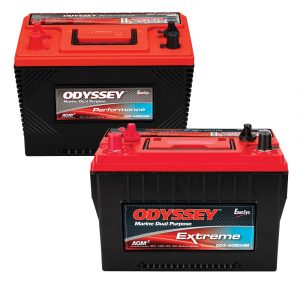
Credit: www.odysseybattery.com
Cost Considerations
Marine batteries generally cost more than car batteries due to their robust design for harsh environments. They offer higher resistance to vibrations and corrosion, making them ideal for marine use. Car batteries, on the other hand, are less expensive and designed for regular road conditions.
When it comes to choosing between a marine battery and a car battery, cost considerations can significantly influence your decision. Both types of batteries come with their unique features and benefits, but understanding the cost implications can help you make a more informed choice. Let’s dive into some of the cost factors you should consider.Price Range
The price of marine batteries generally ranges higher than car batteries. This is mainly due to their specialized design, which allows them to withstand harsh marine environments and provide consistent power over a longer duration. You might find yourself spending anywhere from $50 to $300 on a car battery, whereas marine batteries can cost between $70 and $500. Paying more upfront for a marine battery might seem daunting, but if you’re someone who spends a lot of time on the water, the investment could be worthwhile. It’s all about weighing the cost against the longevity and reliability you get in return.Maintenance Costs
Maintenance costs are another important aspect when considering battery types. Marine batteries often require more frequent maintenance to ensure they remain functional in different weather conditions and environments. This could mean spending extra on cleaning agents, terminal protectors, and even professional check-ups. On the other hand, car batteries are generally low-maintenance. Regular checks during oil changes and ensuring the terminals are clean usually suffice. While the upfront cost of a marine battery might be higher, ongoing maintenance costs can add up over time, potentially offsetting initial savings. Do you find yourself willing to put in the extra time and effort for maintenance if it means better performance? Or would you rather keep things simple with a car battery? Your answer could make all the difference in your choice.Environmental Impact
Marine batteries are designed to withstand harsh environments, minimizing corrosion risks. Car batteries, however, focus on efficient power delivery, contributing to different disposal challenges. Both impact ecosystems uniquely, highlighting the need for responsible recycling.
Understanding the environmental impact of marine and car batteries is crucial as we strive for a sustainable future. These batteries, while essential in their respective fields, have unique environmental footprints. From recycling processes to chemical disposal, knowing how each impacts the environment can help you make informed decisions and potentially minimize your ecological footprint. Let’s delve into the differences and see how you can contribute to a healthier planet.Recycling Processes
Recycling plays a pivotal role in mitigating the environmental impact of both marine and car batteries. Car batteries, predominantly lead-acid, boast a high recycling rate. Many countries have established efficient systems for collecting and processing these batteries, ensuring that most of the lead, plastic, and acid is reused. Marine batteries, often used in boats, can vary in composition, including lead-acid and lithium-ion. While lead-acid marine batteries enjoy similar recycling efficiencies as car batteries, lithium-ion variants pose more challenges. They require specialized recycling facilities due to their complex chemistry. Have you ever wondered how you can ensure your used batteries are properly recycled? Always check with local recycling facilities or battery retailers about their take-back programs. Your proactive steps can make a big difference.Chemical Disposal
The disposal of chemicals from batteries is another critical environmental concern. Car batteries contain sulfuric acid and lead, both of which can be hazardous if not managed properly. Improper disposal can lead to soil and water contamination, posing risks to both the environment and human health. Marine batteries, especially lithium-ion, can contain heavy metals and other toxic substances. If a lithium-ion battery is damaged or disposed of incorrectly, it can release harmful chemicals into the environment. It’s crucial to handle these batteries with care and ensure they are disposed of through proper channels. Have you ever considered the potential consequences of improper battery disposal? It’s essential to educate yourself and others about the safe handling and disposal of batteries. By doing so, you contribute to protecting our precious ecosystems. Ultimately, being conscious of the environmental impact of your battery choices and disposal methods can lead to a more sustainable future. What steps will you take today to ensure a greener tomorrow?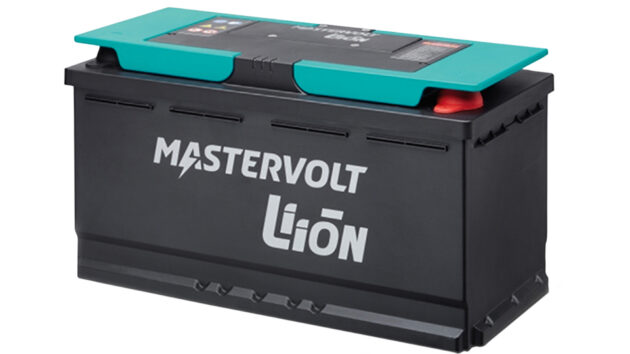
Credit: www.pbo.co.uk

Credit: www.youtube.com
Frequently Asked Questions
What Is A Marine Battery Used For?
A marine battery is designed for boats and watercraft. It withstands harsh marine environments, providing reliable power for starting engines and running onboard electronics. It has a robust construction that resists corrosion and vibrations, making it ideal for marine applications where durability and reliability are crucial.
Can You Use A Car Battery In A Boat?
Using a car battery in a boat is not recommended. Car batteries are not built for marine conditions. They lack the durability to withstand vibrations and corrosion. Marine batteries are specifically designed to handle these challenges, ensuring safety and efficiency in marine applications.
How Does A Marine Battery Differ From A Car Battery?
Marine batteries differ from car batteries in construction and purpose. They are built to withstand harsh marine conditions, with thicker plates and corrosion-resistant materials. Car batteries are designed for short bursts of power to start engines, while marine batteries provide sustained power for onboard electronics.
Are Marine Batteries More Durable Than Car Batteries?
Yes, marine batteries are more durable than car batteries. They are designed to resist corrosion and handle vibrations. Their robust construction makes them ideal for marine environments. Car batteries, on the other hand, are not built to withstand such conditions, making them less durable in marine applications.
Conclusion
Choosing the right battery matters for your vehicle. Marine batteries are built to withstand harsh conditions. They offer durability and deep cycles. Car batteries deliver quick bursts of energy. They are perfect for starting engines. Consider your needs before buying.
Think about the environment and usage. This helps in making the best choice. Both types have unique benefits. Make an informed decision for your peace of mind. Keep your vehicle running smoothly. Remember, the right battery makes all the difference.
Stay informed and choose wisely.