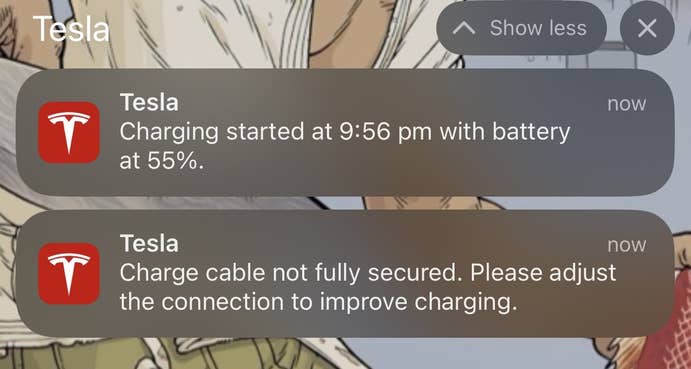
Imagine you’re ready to hit the road in your Tesla, but as you glance at your charging station, you notice something unsettling: the charging cable isn’t fully secured. This situation can be more than just a minor inconvenience.
It could disrupt your plans, cause frustration, and even lead to potential damage. But don’t worry—you’re not alone in facing this issue, and there are straightforward solutions to help you out. You’ll discover the reasons behind this common problem and learn effective ways to ensure your Tesla charging cable stays securely attached.
Whether you’re a seasoned Tesla owner or new to the electric vehicle world, understanding how to maintain your charging setup is crucial for a hassle-free driving experience. Read on to empower yourself with the knowledge you need to keep your Tesla running smoothly.
Common Causes
Charging your Tesla should be a smooth experience, but sometimes, the charging cable might not feel completely secure. This can be frustrating and even leave you wondering what went wrong. Understanding the common causes can help you troubleshoot effectively, ensuring a secure connection every time. Let’s dive into the reasons why your Tesla charging cable might not be fully secured.
Loose Connections
Loose connections are often the culprits behind charging cable issues. If the plug isn’t inserted properly, it can result in a weak connection. This can happen due to dirt or debris accumulating in the port. Regularly cleaning the charging port can prevent this issue.
Are you in a rush when plugging in your cable? Slow down and make sure it clicks into place. A little extra attention can save you from charging headaches.
Damaged Cable Ends
Damage to cable ends can cause connection problems. Regular wear and tear, exposure to harsh weather conditions, or accidental mishandling can lead to frayed wires or bent pins. Inspect your cable ends periodically for any visible damage.
Consider how you store your cable. Are you winding it tightly or leaving it exposed to the elements? Proper storage can extend the life of your cable.
Improper Alignment
Improper alignment is another common issue. If the cable isn’t aligned correctly with the charging port, it can’t secure a firm connection. This might happen if you’re charging on uneven ground or if the cable is twisted.
Have you ever tried charging in a hurry, neglecting to check the alignment? Taking a moment to ensure proper alignment can make a big difference in charging efficiency.
Safety Concerns
Safety concerns surrounding Tesla charging cables not being fully secured are becoming increasingly relevant for electric vehicle owners. Ensuring that your charging cable is properly connected is not just about efficient charging; it is also about safeguarding your vehicle and your surroundings. Let’s dive deeper into the risks and implications of unsecured charging cables.
Potential Hazards
Unsecured charging cables can pose serious risks. Imagine coming home after a long day, only to find your car didn’t charge overnight. Worse still, an improperly secured cable can cause electrical sparks or short circuits, potentially leading to fires. You wouldn’t want to wake up to such a disaster.
Moreover, loose cables can become tripping hazards. If you’ve ever stumbled over a stray wire, you know how dangerous it can be. Ensuring your cable is firmly connected can prevent accidents and injuries.
Impact On Charging Efficiency
A poorly secured charging cable can significantly affect charging efficiency. A loose connection might lead to slower charging times, or even no charge at all. This can be frustrating when you’re relying on your vehicle for daily commutes.
Think about this: every time your cable isn’t fully plugged in, you’re wasting valuable time and energy. Why compromise on efficiency when a simple check could save you hours?
Additionally, fluctuating connections can wear out your charging equipment faster, leading to costly repairs or replacements. Regularly ensuring your cable is secure can extend the life of your charging setup.
Have you ever experienced any issues with your Tesla charging cable? How did you resolve them? Share your stories and insights in the comments below!
Immediate Solutions
Address issues with Tesla charging cables that aren’t fully secured. Check for dirt in connectors and ensure a firm connection. If loose, reposition the cable until locked securely.
If your Tesla’s charging cable isn’t fully secured, don’t worry. There are immediate solutions you can explore to ensure that your vehicle charges efficiently and safely. Addressing this issue quickly can save you from future headaches and keep your electric vehicle running smoothly. Let’s dive into some practical steps you can take right now.
Checking Cable Connections
Begin by examining the cable connections. Ensure the cable is plugged in securely into the charging port. A loose connection can often be the culprit behind an insecure charging cable. Gently push the connector into the port until you hear a click, indicating a proper fit. If you’re unsure, try unplugging and replugging to reset the connection.
Correcting Alignment
Misalignment can prevent a proper connection. Ensure the connector is aligned with the port’s contours. Take a moment to adjust the angle and try again. It might require a slight twist or a gentle nudge to align perfectly.
Inspecting For Damage
Look over the cable and connector for any visible damage. Frayed wires or bent pins can obstruct a secure connection. If you spot any damage, it’s crucial to replace the cable immediately. Using damaged equipment can pose risks to both the vehicle and personal safety. Have you ever experienced a similar issue with your charging cable? Identifying and solving these common problems can make your charging experience seamless and stress-free. By following these straightforward steps, you can ensure your Tesla is always ready to hit the road.

Credit: www.reddit.com
Tools And Equipment
Tesla charging cables sometimes don’t secure properly, causing charging issues. A loose connection might prevent efficient charging, leading to delays. Ensure the cable clicks into place for a secure fit.
Ensuring your Tesla charging cable is fully secured is essential for a seamless charging experience. Having the right tools and equipment on hand can make all the difference when dealing with this issue. Whether you’re a DIY enthusiast or new to electric vehicles, being prepared with the necessary tools and safety gear can save you time and frustration.
Essential Tools
Having a set of essential tools can simplify the process of securing your Tesla charging cable. A reliable multimeter can help you check the electrical connections to ensure everything is functioning correctly. A torque wrench is also invaluable for adjusting the cable connections to the manufacturer’s specifications, preventing over-tightening or under-tightening. A basic toolkit with screwdrivers, pliers, and wrenches will allow you to handle any adjustments or minor repairs on the spot. Investing in a quality set of tools now can save you from potential future headaches.
Safety Gear
Safety should always be your top priority when dealing with electrical equipment. Wearing insulated gloves can protect your hands from electrical shocks while handling the charging cable. Safety goggles are essential to shield your eyes from any unexpected sparks or debris. In addition, a fire extinguisher rated for electrical fires should be within reach in case of an emergency. Ensuring that you and your loved ones are safe while working on your Tesla charging cable is just as important as the task itself. What safety gear do you always have ready when working on your vehicle?
Long-term Prevention
Ensuring a Tesla charging cable is securely fastened is crucial for long-term prevention of potential issues. Regular checks can prevent loose connections, ensuring efficient charging and safety.
Ensuring your Tesla charging cable is always secure not only prolongs its lifespan but also keeps your vehicle in optimal condition. A cable that isn’t fully secured can lead to inefficient charging, potential damage, or even safety hazards. With a little foresight and the right practices, you can avoid these pitfalls. Let’s explore how you can maintain your charging cable effectively.
Regular Maintenance Tips
Regularly inspect your charging cable for signs of wear and tear. Look for frayed wires or damaged connectors, which can be potential hazards. Cleaning the cable and connectors with a soft, dry cloth can prevent dust and debris build-up. Consider scheduling reminders to check your cable monthly. This habit can catch small issues before they become big problems. A well-maintained cable ensures efficient charging every time.
Proper Storage Techniques
Store your charging cable in a cool, dry place when not in use. This simple step can prevent damage from environmental factors like moisture or extreme temperatures. Using a designated storage bag or box can keep the cable neatly coiled and safe from physical damage. Avoid placing heavy objects on top of the cable. This could cause unnecessary strain or bending. Think about it: isn’t it better to spend a moment storing it right than facing a costly replacement? Adopt these practices, and you’ll find your Tesla charging experience smoother and more reliable. What steps will you take today to ensure your charging cable lasts?
When To Seek Professional Help
Encountering issues with a Tesla charging cable not being fully secured can signal the need for expert assistance. Persistent problems or unusual noises during charging might require professional intervention to ensure safety and proper functionality. Seeking help promptly can prevent potential damage to the vehicle or charging system.
When your Tesla charging cable isn’t securely attached, it can cause stress. This issue may seem minor but can lead to severe consequences. Incorrectly secured cables may not charge efficiently or safely. Sometimes, simple fixes don’t solve the problem. It becomes crucial to know when professional help is necessary.
Recognizing Severe Issues
Some signs indicate severe issues with your charging cable. Sparks or smoke during charging are dangerous. These signs need immediate attention from a professional. If the cable frequently disconnects or doesn’t fit well, it might be damaged. A damaged cable can affect your Tesla’s performance. Strange noises or vibrations during charging are other warning signs. If you notice these, it’s time to call an expert.
Finding Qualified Technicians
Finding the right technician is essential for resolving cable issues. Look for certified Tesla technicians. Certification ensures they have proper training. Check online reviews for technician reliability. Reviews can provide insight into their quality of service. Visit Tesla service centers for trusted repairs. Service centers have specialized equipment for Tesla vehicles. Ask friends or family for recommendations. Personal experiences help find reliable professionals.
User Experiences
Tesla drivers often face issues with charging cables not fully secured. This can lead to interrupted charging sessions or potential safety concerns. Ensuring proper connection is essential for efficient and safe charging.
Tesla owners often share their experiences with charging cables not securing properly. This issue can lead to charging interruptions and frustration. Understanding user experiences helps in finding effective solutions and improving daily routines.
Common Challenges
Many users report difficulty in securing the cable tightly. A loose connection can stop the car from charging. Dust and debris in the charging port can cause this issue. Some cables might not fit well due to manufacturing defects. Weather conditions, like extreme cold, can also affect the cable’s flexibility.
Successful Fixes
Regular cleaning of the charging port helps in securing the cable. Using a soft brush to remove debris can be effective. Inspecting the cable for damage ensures it fits properly. Some users find success by gently warming the cable in cold weather. Ensuring the charging port is dry helps prevent loose connections.
Frequently Asked Questions
Why Is My Tesla Charging Cable Not Securing?
A Tesla charging cable might not secure due to debris in the port or a faulty latch. Ensure the charging port is clean and free of obstructions. If the problem persists, consider contacting Tesla support for assistance.
How Can I Fix A Loose Tesla Charging Cable?
To fix a loose Tesla charging cable, first inspect the connection for dirt or debris. Clean the charging port and cable end gently. Make sure the cable is properly aligned. If the issue continues, consult a Tesla service center for further examination.
What Are Common Issues With Tesla Charging Cables?
Common issues with Tesla charging cables include improper alignment, debris in the port, or a malfunctioning latch. Regular maintenance and cleaning can prevent these problems. If persistent issues occur, seeking professional help from Tesla service is advisable.
How Do I Maintain My Tesla Charging Cable?
Maintaining a Tesla charging cable involves regular cleaning and proper storage. Ensure the cable and port remain free of dirt and debris. Store the cable neatly to prevent wear and tear, and check for signs of damage regularly.
Conclusion
Ensuring your Tesla charging cable is secure is vital. It prevents damage and ensures smooth charging. Regular checks can help spot issues early. Proper connection keeps your vehicle ready for any drive. Secure cables mean peace of mind. No unexpected stops.
No interruptions. Easy steps can save you trouble later. Follow manufacturer’s guidelines for best results. Safety matters. Stay informed and enjoy your drive. Your Tesla deserves care. Proper maintenance ensures longevity. Always prioritize security for reliable performance. Keep your vehicle efficient and ready.
Happy driving!