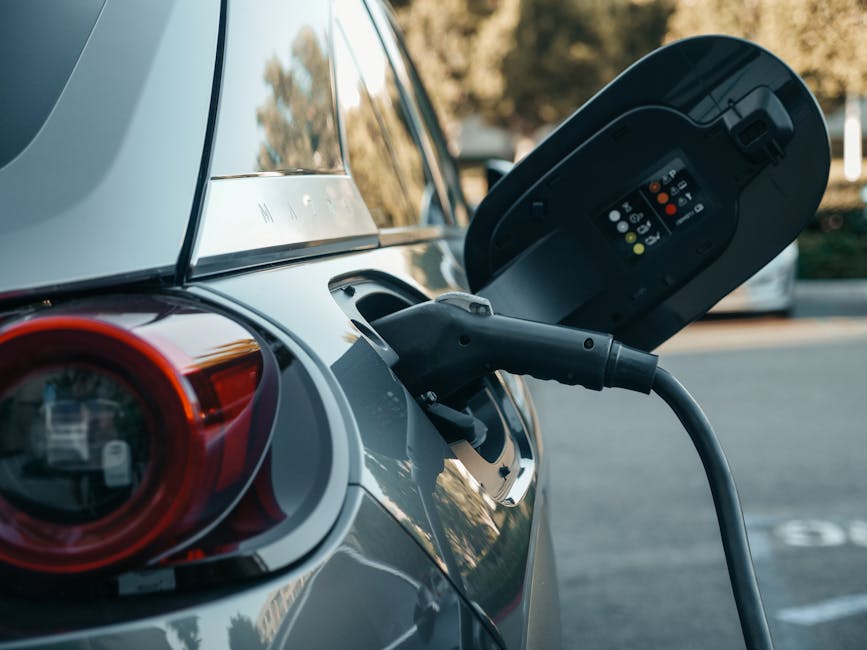
Picture this: you’re cruising down the highway, your favorite playlist streaming, when you notice your phone battery is dwindling. You plug it into your car charger, but a question lingers in your mind—will charging your phone in the car drain your car’s battery?
You’re not alone; many drivers ponder this very concern. But is it really something you need to worry about? Understanding the impact of charging your phone in your car can save you from unexpected headaches and keep your devices powered up without compromising your vehicle’s health.
We’ll dive into the mechanics of car charging, dispel myths, and provide you with practical tips to keep your car and phone batteries in harmony. Stick around to discover how you can keep your devices charged without draining the energy that keeps your car running smoothly.
Credit: www.msn.com
Car Battery Basics
Understanding how your car battery works is crucial, especially when you’re thinking about charging your phone in the car. A car battery is the heart of your vehicle’s electrical system, powering everything from the ignition to the radio. Knowing the basics can help you make informed decisions about using your car’s power wisely.
Understanding Car Battery Function
Your car battery isn’t just a box sitting under the hood; it’s a powerhouse that kicks everything into action. It provides the jolt of electricity needed to start the engine and keeps everything running smoothly. Once the engine is running, the alternator takes over, recharging the battery while powering the car’s electrical systems.
Ever wondered why your car can run for hours with the headlights on but struggles to start after a few minutes of charging your phone with the engine off? The battery’s main job is to start the car, not to keep the gadgets alive without the engine running.
Types Of Car Batteries
Did you know that not all car batteries are created equal? There are several types, each designed for specific needs and vehicle types:
- Lead-Acid Batteries:The most common type, used in most vehicles. They’re reliable and affordable, but require regular maintenance.
- AGM Batteries:Absorbed Glass Mat batteries are a step up, offering better power and resistance to vibration. They’re ideal for modern vehicles with high electrical demands.
- Lithium-Ion Batteries:These are the future of car batteries, offering lightweight and long-lasting power, often found in electric vehicles.
Choosing the right battery can impact how well it handles extra demands, like charging your phone while driving. So, which type does your car have, and is it up to the task?
Charging Devices In Vehicles
Charging a phone in a car can drain the battery if the engine is off. Modern vehicles manage power efficiently, minimizing impact on battery life. Using a quality charger and keeping the engine running ensures minimal battery drain.
Charging devices in vehicles is a common practice, especially in today’s tech-driven world. Whether you’re on a road trip or stuck in traffic, keeping your phone charged is often a necessity. However, have you ever wondered how this impacts your car’s battery? Let’s dive into some key aspects of charging devices in vehicles.
Common Charging Methods
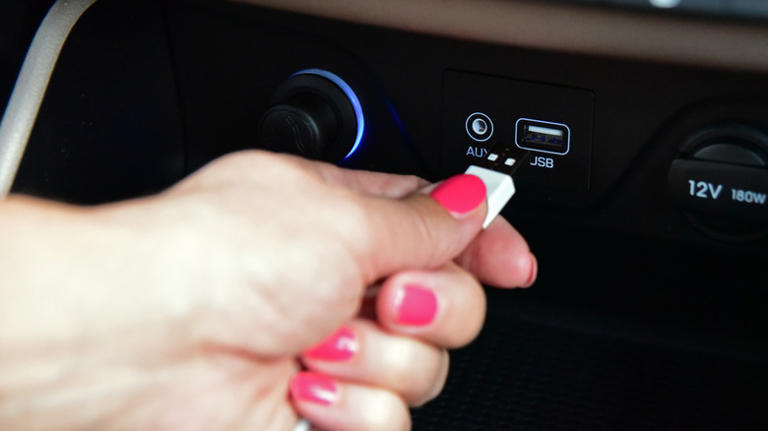
Most modern vehicles come equipped with various charging options. The standard cigarette lighter socket, also known as the 12V outlet, is one of the most widely used methods. You can easily plug in a car charger adapter and connect your phone via USB cable. Some cars offer USB ports directly integrated into the dashboard. These are often seen in newer models and are convenient as they eliminate the need for an extra adapter. Additionally, wireless charging pads have started making their way into vehicles. These offer a hassle-free way to charge your devices without dealing with cables, provided your phone supports wireless charging.
Impact On Car Electrical System
Charging your phone in the car does use energy, but the impact on your car’s electrical system is generally minimal. While the car is running, the alternator recharges the battery and provides power to the electrical systems. If your car is off, the story changes. Charging devices can drain the car battery, especially if the battery is old or weak. It’s wise to limit charging when the engine is off to prevent any potential battery drainage. Ever left your phone charging overnight in a parked car? It’s a common mistake that can lead to a dead battery in the morning. Remember, even small devices can make a difference over time. Keep an eye on your car’s battery health to ensure smooth driving experiences.
Myths About Battery Drain
When it comes to charging your phone in the car, many drivers worry about battery drain. This concern often stems from a mix of myths and misconceptions. Let’s dive into these myths and understand the reality behind them.
Misconceptions Explained
One common myth is that charging your phone in the car can significantly deplete your car battery. This fear is rooted in outdated information. Modern vehicles are equipped with more efficient electrical systems that can handle small power draws without a hitch.
Think about your daily commute or road trips. Have you ever noticed a difference in your car’s performance after charging your phone? Probably not. This is because the energy needed for phone charging is minimal compared to what your car battery can supply.
Real Vs. Perceived Risks
There’s a difference between real risks and perceived ones. The real risk to your car battery is leaving it on accessory mode for extended periods while charging your phone. This can potentially drain the battery if the engine isn’t running.
On the other hand, the perceived risk is thinking that simply charging your phone while driving will cause battery issues. In reality, the alternator recharges the battery as you drive, so the impact of phone charging is negligible.
Have you ever wondered if charging multiple devices at once could be a problem? Most cars can handle several devices without any trouble. However, it’s always wise to ensure your battery is healthy for a worry-free experience.
Next time you plug in your phone for a quick charge on the road, remember these insights. You can enjoy the convenience without fretting about your car battery’s health.

Credit: www.kob.com
Factors Affecting Battery Health
When you charge your phone in the car, you might wonder if this will drain your car’s battery. To understand the impact, it’s crucial to look at various factors affecting battery health. From how you use your devices to the external conditions they face, these elements play a significant role in determining the longevity of both your car battery and your phone.
Usage Patterns And Battery Life
Your charging habits can influence the health of your car’s battery. If you frequently charge your phone while the car is turned off, you risk draining the battery faster. This is because the car battery isn’t being replenished by the alternator when the engine is off. Have you ever found yourself stuck with a dead car battery because you left your lights on? Charging your phone while the engine is off can lead to a similar situation.
On the other hand, charging while driving allows the alternator to keep the battery charged. This is less likely to cause issues. But if you have multiple devices plugged in, or use high-wattage devices, you could still put a strain on the battery. Consider your usage patterns. Are you pushing your car battery to its limits without realizing it?
External Conditions Impact
Environmental factors can also affect battery health. Extreme temperatures, whether hot or cold, can reduce battery efficiency. If you live in an area with harsh weather conditions, this might affect how well your car battery supports additional tasks like charging your phone.
Think about the last time your car struggled to start on a freezing winter morning. The battery was probably working harder than usual. Adding the extra load of charging a phone could be a tipping point. Does your car operate in optimal conditions, or do you often face challenging environments?
By understanding these factors, you can make better decisions about when and how to charge your phone in the car. Are you unintentionally risking your car battery’s health, or are you taking steps to preserve it?
Preventing Battery Drain
Charging your phone in the car can drain the car battery, especially if the engine is off. It’s wise to minimize phone charging when the car isn’t running to preserve battery life. Using a car charger with low power can help reduce the risk of battery drain.
Preventing battery drain is crucial when charging your phone in the car. A few simple practices can help maintain your car battery’s health. Using these methods, you ensure your phone charges efficiently without harming your vehicle’s power source.
Effective Charging Practices
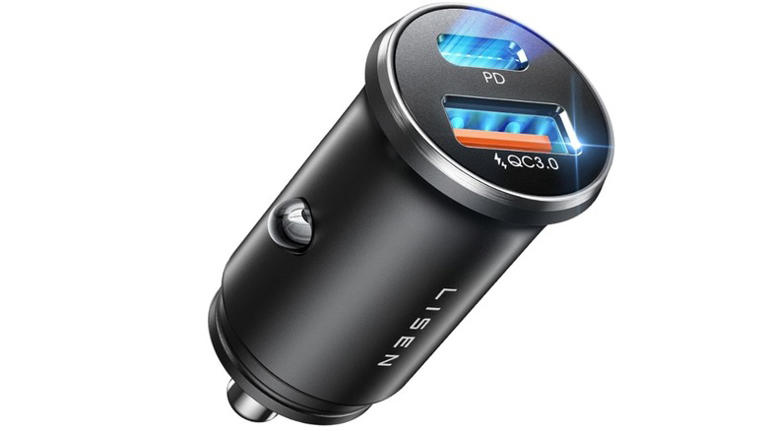
- Use a quality car charger designed for your phone.
- Charge your phone with the engine running to avoid battery drain.
- Avoid using power-hungry apps during charging.
- Disconnect the charger when the phone is fully charged.
Monitoring Battery Performance
Keep an eye on your car battery’s condition. Regularly check the battery voltage using a voltmeter. This helps detect any early signs of wear or drain.
Consider installing a battery monitor. These devices provide real-time information on battery health. They alert you to potential issues before they become serious problems.
Look for signs of a weak battery. Dim headlights and slow engine cranks can signal a draining battery. Address these issues promptly to prevent further damage.
Credit: www.msn.com
Innovations In Car Charging Technology
Charging your phone in the car used to be a simple task with basic technology. Nowadays, innovations in car charging technology have made this process more efficient and less draining on your vehicle’s battery. New systems are designed to optimize power usage and extend battery life.
Smart Charging Solutions
Smart charging solutions are now integrated into many cars. They manage power distribution effectively. These systems detect when your phone is fully charged and reduce power flow. This prevents unnecessary battery drain. Some cars offer multiple USB ports, allowing simultaneous charging of several devices without strain.
Future Trends In Vehicle Electronics
Future trends in vehicle electronics promise even better charging solutions. Wireless charging pads are becoming more common. They eliminate the need for cables, providing a more seamless experience. Advanced sensors might soon be able to monitor battery health. This can help in adjusting charging rates accordingly.
Electric vehicles are paving the way for more efficient charging systems. They come with built-in power management features that optimize battery usage. As technology evolves, car manufacturers focus on energy efficiency and sustainability. This ensures that charging phones in cars will have minimal impact on the vehicle’s battery.
Frequently Asked Questions
Is Charging Your Phone In The Car Bad For The Battery?
Charging your phone in the car can be safe but may drain the car battery if the engine is off. Using low-quality chargers can also damage the phone battery. Ensure the car is running or use quality chargers to minimize risks.
How To Charge Phone In Car Without Draining Battery?
Use a car charger with automatic shut-off. Charge the phone while driving, not when the engine is off. Avoid using high-power apps during charging. Regularly check the car battery’s health. Disconnect the charger once the phone is fully charged.
Do Phone Chargers Drain A Car Battery?
Yes, phone chargers can drain a car battery if the engine is off. The drain is minimal but can affect older batteries. Regular charging while driving prevents any significant battery loss. Always unplug chargers when not in use to conserve battery life.
Is It Bad To Leave A Phone Charger Plugged Into Your Car?
Leaving a charger plugged into your car can drain the battery slowly. It’s best to unplug when not in use. This simple step helps prevent battery issues and keeps your vehicle’s electrical system healthy. Always ensure devices are properly connected and avoid overloading the car’s power outlets.
Conclusion
Charging your phone in the car does impact battery life. But, it usually doesn’t drain it completely. Modern cars handle this well. Use quality chargers for safety. Avoid charging when the car is off. This prevents battery drain. Check your car’s manual for advice.
Keep your car battery healthy. Regular maintenance helps. Simple steps ensure efficiency. Charging on the go is convenient. Just be mindful. Stay informed and make smart choices. This keeps both your phone and car battery in good shape. Happy driving!