Imagine this: you’ve just arrived home after a long day, your Tesla is running low on battery, and all you have is an extension cord. Can you charge your Tesla with it?
It’s a question many Tesla owners find themselves pondering. You want to ensure your vehicle is ready for tomorrow, but you’re unsure if using an extension cord is safe or effective. This article will explore the ins and outs of charging your Tesla using an extension cord, providing you with valuable insights to make informed decisions.
By the end, you’ll know whether it’s a viable option or if you should consider alternatives. Dive in and discover the best practices for keeping your Tesla charged without compromising safety or efficiency.

Credit: www.amazon.com
Charging Basics
Understanding the basics of charging your Tesla with an extension cord can be a game-changer in terms of convenience and flexibility. Whether you’re at home or on the road, knowing the ins and outs of this method can save you time and effort. But is it as simple as plugging in and waiting for your car to juice up? Let’s dive into the essentials that will help you make the most of charging your Tesla with an extension cord.
Charging Capacity
First, consider the charging capacity of your extension cord. Not all cords are created equal, and using one that doesn’t match your Tesla’s requirements can result in inefficient charging or even safety hazards. Ensure your cord is capable of handling the electrical load, ideally rated for heavy-duty use. Can your current setup meet these demands?
Safety Precautions
Safety should never take a backseat when charging your Tesla. Use a grounded extension cord to prevent electrical shocks. Keep an eye on the cord’s condition; frayed or damaged cords can pose serious risks. Always double-check the connection points to ensure they’re secure. Would you want to risk your safety for a quick charge?
Location And Accessibility
Think about where you’re charging. Is the outlet easily accessible, and is the extension cord long enough to reach your Tesla without strain? Avoid running cords through areas where they might be damaged or cause tripping hazards. Is your charging setup convenient and safe?
Impact On Charging Speed
Using an extension cord can sometimes affect the charging speed. High-quality cords tend to offer faster charging times. If you’re in a hurry, investing in a premium cord might be worth it. How much time do you usually spend waiting for your car to charge?
Regular Maintenance
Regular maintenance of your extension cord is crucial for optimal performance. Cleaning and checking for wear and tear can extend its lifespan and ensure efficient charging. Make it a habit to inspect the cord periodically. How often do you check your charging equipment?
Extension Cord Types
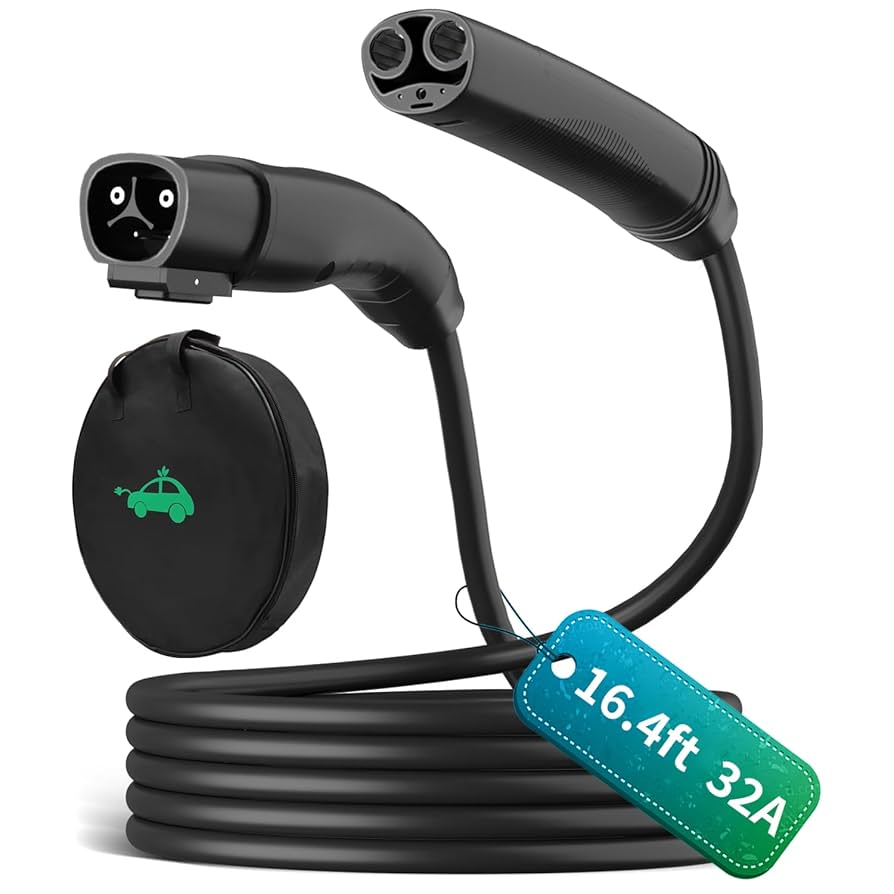
Charging your Tesla with an extension cord requires the right type. Extension cords vary in design and purpose. Understanding these differences ensures safe and efficient charging. Below, we explore important aspects of extension cords.
Heavy-duty Vs. Standard
Heavy-duty cords handle more power. They are made for high-demand devices. These cords have thicker insulation and larger wire gauges. They are ideal for charging electric vehicles. Standard cords are thinner. They are meant for everyday electronics and appliances. Using a standard cord for EV charging can be risky.
Indoor Vs. Outdoor Use
Indoor cords are designed for dry environments. They lack protection against weather elements. Outdoor cords have robust insulation. They resist moisture, heat, and cold. This makes them suitable for external use. Charging a Tesla outside requires an outdoor-rated cord. This ensures durability and safety.
Safety Considerations
Charging a Tesla with an extension cord requires careful attention to safety. Use a heavy-duty extension cord rated for the car’s power needs. Ensure the cord is free from damage to prevent overheating or electrical hazards.
Charging your Tesla with an extension cord might seem convenient, but it’s crucial to prioritize safety. Misusing extension cords can lead to serious risks, including fire hazards and electrical overload. Understanding these dangers can help you make informed decisions and protect your investment.
Fire Hazards
Extension cords are not designed to handle the high power requirements of electric vehicle chargers. Using an inadequate extension cord can cause overheating. This overheating can easily lead to fires, especially if the cord is coiled or covered by rugs. A friend once shared a story about charging his Tesla in his garage. He used a regular household extension cord without checking its capacity. The cord melted slightly, filling the garage with a burnt smell. Thankfully, he noticed it in time and avoided a potential disaster. Take a moment to inspect your extension cord. Is it rated for outdoor use and heavy-duty applications? If not, reconsider using it for charging your Tesla.
Electrical Overload
Plugging your Tesla into an extension cord increases the risk of electrical overload. Standard household outlets are not built to support the high amperage required for EV charging. Adding an extension cord can exacerbate the situation by creating resistance. Imagine trying to fill a large bucket with water using a narrow pipe. The flow is restricted, causing pressure to build up. Similarly, an extension cord can restrict electrical flow, leading to overheating and potential circuit damage. Consider using a dedicated circuit for your Tesla charger. This ensures a safe and efficient charging process without overloading your home’s electrical system. Are you prepared to handle the consequences of an electrical overload? Prioritizing safety can save you from costly repairs and dangerous situations.

Credit: ev-lectron.com
Practicality Of Use
Using an extension cord to charge a Tesla may seem handy. It’s important to weigh the practicality of this method. Consider factors like charging speed and convenience.
Charging Speed
Charging with an extension cord can slow down the process. Standard cords don’t support high power levels. This results in longer charging times. Tesla chargers usually deliver more power directly. An extension cord limits this capacity. Check the cord’s rating before use. Ensure it can handle the load.
Convenience Factor
Extension cords can add flexibility. They allow charging from different locations. This can be useful in some situations. But they also bring some challenges. Cords can be a tripping hazard. They need careful management to avoid damage. Ensure the cord is weather-resistant for outdoor use. Secure it to prevent accidents.
Manufacturer Recommendations
Charging your Tesla involves following the manufacturer’s recommendations. These guidelines ensure safety and optimal performance. Using an extension cord may not align with Tesla’s advice. Understanding their recommendations can protect your vehicle and warranty.
Tesla’s Guidelines
Tesla provides specific instructions for charging. They suggest using the provided charging equipment. This equipment includes the Mobile Connector and Wall Connector. Tesla cautions against using extension cords. These cords may cause overheating or fires. Always follow Tesla’s advice for safe charging.
Warranty Implications
Using an extension cord can affect your warranty. Tesla’s warranty covers defects and workmanship. Improper charging methods might void this warranty. If damage occurs from an extension cord, coverage may be denied. Adhering to Tesla’s guidelines protects your investment. Ensure you use approved charging equipment to avoid issues.

Credit: www.amazon.com
Alternative Charging Solutions
In the quest to charge your Tesla efficiently, you might find yourself questioning the practicality of using an extension cord. While it might seem like a straightforward solution, there are alternative charging solutions that offer greater safety and convenience. Let’s dive into some of these options.
Home Charging Stations
Imagine coming home after a long day, plugging in your Tesla, and waking up to a fully charged vehicle. Home charging stations make this dream a reality. They offer dedicated power sources that are much safer and faster than a typical extension cord. You can install a Level 2 charger in your garage or driveway, which significantly reduces charging time compared to standard outlets.
Consider the benefits: faster charging, safety features, and the convenience of charging overnight. Many homeowners find that the initial investment pays off in the long run. Plus, you can schedule charging during off-peak hours to save on electricity costs.
Public Charging Networks
While home charging is convenient, public charging networks offer flexibility when you’re on the go. These networks are expanding rapidly, making it easier to find a charging station wherever you are. With apps like PlugShare or ChargePoint, you can locate nearby stations and plan your route accordingly.
Public chargers range from Level 2 to superchargers, catering to different needs and vehicle models. While you might spend a bit more for faster charging, the convenience of quick top-ups during road trips or errands is unmatched. Have you considered how public networks could fit into your charging routine?
Embracing these alternative solutions not only enhances your charging experience but also ensures that you are making the most out of your Tesla’s capabilities. Why settle for less when there are options that offer more efficiency and reliability?
User Experiences
Charging a Tesla with an extension cord has sparked curiosity among many users. Some have had smooth experiences, while others faced challenges. Understanding these experiences can help future Tesla owners navigate this option more effectively.
Success Stories
Several Tesla owners have shared their successful charging experiences using extension cords. They chose high-quality cords with adequate power ratings. This ensured efficient power delivery without overheating. One owner reported using a heavy-duty extension cord for overnight charging. His Tesla charged without any issues, reaching full capacity by morning. Another user noted the importance of cord length and thickness. A shorter and thicker cord minimized power loss, making charging reliable.
Reported Issues
Not all users had smooth experiences with extension cords. Some encountered problems like overheating and slow charging. One user mentioned the cord getting hot during charging. This prompted concerns about safety and potential damage. Another Tesla owner experienced slow charging rates. He realized the extension cord was not rated for high power delivery. This led to frustrations and the need to find better solutions.
Frequently Asked Questions
Is It Okay To Charge A Tesla With A Regular Outlet?
Yes, you can charge a Tesla using a regular outlet. It provides slow charging, adding around 3-5 miles of range per hour. For faster charging, consider installing a dedicated home charging station. Always ensure the outlet is properly grounded and in good condition for safety.
Is It Safe To Charge An Electric Car With An Extension Cord?
Charging an electric car with an extension cord is not recommended. It can cause overheating and fire risks. Always use a dedicated charging station for safety. Ensure the cord is designed for high power use if necessary. Consult your car’s manual and follow manufacturer guidelines for charging.
What Kind Of Extension Cord Do I Need For My Tesla?
Use a heavy-duty extension cord rated for outdoor use, with 10-gauge wire and 15 amps capacity. Ensure the cord is compatible with your Tesla’s charging needs and has proper grounding. Always check for UL certification to guarantee safety and reliability.
Avoid using a long cord to minimize voltage drop.
Can I Plug A Tesla Into A Power Strip?
No, you shouldn’t plug a Tesla into a power strip. Power strips can’t handle high current demands. Always use a dedicated wall outlet or Tesla’s recommended charging equipment. This ensures safety and efficient charging for your vehicle.
Conclusion
Charging your Tesla with an extension cord can be practical. Choose the right cord for safe charging. Ensure it supports the car’s power needs. Check cord length for convenience. Follow safety tips to avoid mishaps. A good setup can make charging hassle-free.
Always prioritize safety and efficiency. This approach offers flexibility for Tesla owners. Understand the basics and enjoy seamless charging at home.