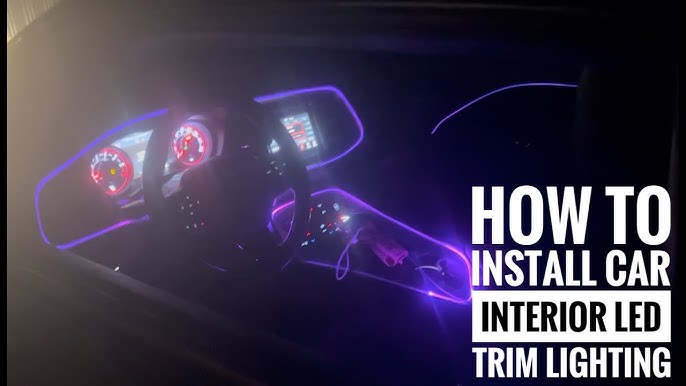
Imagine sliding into your car at night and being greeted by a custom light show that sets the perfect mood for your drive. Installing LED lights inside your car can transform your vehicle’s interior into a vibrant, personalized space.
Whether you want a subtle glow or a dynamic color display, LED lights can offer an experience that matches your style and mood. But how do you get started? You’re not alone if you’re unsure how to install these lights.
Many car owners share the same hesitation, fearing complex installations or potential damage to their vehicle. The good news is that installing LED lights inside your car is simpler than you might think, and you don’t need to be a tech expert to do it. In this guide, you’ll discover easy steps to install LED lights in your car. You’ll learn about the tools you need, the best places to position your lights, and some insider tips to ensure a smooth installation process. By the end of this article, you’ll be ready to give your car the upgrade it deserves. Ready to light up your ride? Let’s dive in.
Choosing The Right Led Lights
Installing LED lights inside your car can enhance its interior look. But before diving in, it’s crucial to choose the right LED lights. This choice affects the aesthetics and functionality of your car’s interior. Let’s explore the types and features to consider for an optimal lighting experience.
Types Of Led Lights For Cars
LED lights come in various styles. Each serves different purposes:
- Strip Lights:Flexible and ideal for under dashboards.
- Dome Lights:Perfect for overhead lighting replacements.
- Puddle Lights:Installed under doors for a welcoming glow.
Consider where you want the light to shine. Each type offers unique benefits for your car’s interior.
Brightness And Color Considerations
The brightness level of LED lights is measured in lumens. Higher lumens mean brighter lights. For soft ambiance, choose lower lumens. For clear visibility, opt for higher lumens.
Color choice sets the mood in your car. LED lights offer a spectrum of colors. Cool white provides a modern look. Warm white creates a cozy feel. RGB lights allow color changing for different moods.
Think about how the light affects your driving experience. Balance brightness and color to match your style and needs.

Credit: www.tiktok.com
Gathering Necessary Tools
Before you dive into the exciting world of customizing your car with LED lights, it’s essential to gather the right tools. Having everything you need at your fingertips will not only speed up the installation process but also ensure you do it safely and effectively. Let’s break down what you’ll need to get started.
Essential Tools For Installation
- Screwdriver Set:A good set of screwdrivers will help you remove panels and access areas where you’ll be installing the lights. Ensure you have both flathead and Phillips types.
- Wire Strippers:These are crucial for preparing the wires to connect your LED lights. They help you strip the insulation without damaging the wire itself.
- Electrical Tape:This is vital for securing connections and ensuring they remain insulated. It’s a small tool but incredibly important for safety.
- Multimeter:This tool helps you check the electrical circuits and ensure the connections are correct. It’s especially useful if you’re unsure about the wiring.
- LED Light Kit:Finally, make sure you have the LED light kit itself, which typically includes the lights, connectors, and sometimes a remote control.
With these tools, you’re well-equipped to handle most installations. But, are there any extras that can make the process even smoother?
Optional Accessories
- Fuse Tap:This accessory allows you to draw power directly from the car’s fuse box, providing a clean and efficient power source for your lights.
- Cable Ties:These are excellent for keeping your wiring tidy and preventing them from getting tangled or caught in moving parts.
- Soldering Kit:If you want the most secure wire connections, a soldering kit can help create permanent bonds. It’s not necessary for all installations but can be beneficial.
- Heat Shrink Tubing:This can provide a more professional finish to your connections and protect them from wear and tear.
Each accessory adds a layer of convenience or professionalism to your setup. Imagine how much easier it would be to have organized cables or secure connections. Are these optional tools worth the investment for you?
Preparing The Car Interior
Installing LED lights inside a car can enhance its ambiance and style. Begin by choosing a suitable LED light kit. Then, clean the car’s interior surfaces thoroughly for a smooth installation. Carefully position the lights under seats or along the dashboard.
Secure them properly for long-lasting use.
Preparing the car interior is a vital step in installing LED lights. A clean and organized workspace ensures a smooth installation process. Begin by readying your car’s interior to create a perfect setting for the lights.
Cleaning And Surface Preparation
Start with a thorough cleaning of your car’s interior. Remove any dirt, dust, or debris from the surfaces. Use a vacuum cleaner for carpets and seats. A microfiber cloth works well for dashboards and panels. Ensure the surfaces are dry before proceeding. This will help the LED lights adhere properly.
Identifying Installation Areas
Decide where you want the LED lights to be installed. Popular areas include under the dashboard, seats, or around the footwells. Ensure that the chosen spots have easy access to a power source. Mark the areas with a non-permanent marker for guidance. This step helps avoid any confusion during installation.

Credit: www.youtube.com
Installing Led Lights
Installing LED lights inside your car is a simple way to enhance its look. Start by choosing the right LED strips for your vehicle. Secure them using adhesive tape, and connect to the car’s power source. Ensure a neat installation by hiding the wires under panels.
Installing LED lights inside your car is a fun and rewarding project that can significantly enhance your driving experience. The vibrant glow not only adds a touch of personal style but also improves visibility in your vehicle’s interior. Whether you’re a car enthusiast or just looking to upgrade your ride, this guide will help you navigate the installation process smoothly.
Connecting Power Sources
The first step in bringing your LED lights to life is connecting them to a power source. Most LED kits come with a power adapter that can be plugged into your car’s cigarette lighter. This is a convenient option for beginners and doesn’t require any complex wiring. If you’re comfortable with a bit more hands-on work, consider connecting the lights directly to your car’s fuse box. This method often results in a cleaner look and frees up your cigarette lighter for other uses. Ensure the power is off before you start tinkering with the fuse box, and always use the appropriate fuse tap to avoid electrical mishaps.
Securing Lights In Place
Once the power is sorted, it’s time to secure the LED lights in their designated spots. Most LED strips come with adhesive backing that sticks easily to surfaces inside your car. Clean the area thoroughly to ensure a strong bond and avoid future sagging. For added stability, especially in areas that are frequently touched or moved, consider using zip ties or clips. These can be particularly useful under seats or along the dashboard where adhesive alone might not suffice. Think about where you want the lights to shine brightest and adjust their position accordingly—do you want a subtle glow or a bold statement? By following these steps, you’ll have your car’s interior glowing in no time. With a little creativity and patience, your vehicle will be transformed into a personalized light show on wheels. Enjoy the process and the unique atmosphere your new LED lights will create!
Testing And Adjustments
Testing and Adjustments Ensure the LED lights are working after installation. Adjust the brightness and positioning for the best effect. Secure any loose wires to prevent distractions while driving.
After you’ve meticulously installed LED lights inside your car, the excitement doesn’t stop there. Testing and adjustments are crucial to ensure your lights are functioning correctly and are optimally positioned for both aesthetics and safety. This process might seem tedious, but it’s your opportunity to personalize and perfect your lighting setup.
Checking Light Functionality
First, switch on the LED lights to see if they illuminate. It’s common to face wiring issues, so don’t panic if they don’t light up immediately. Ensure all connections are secure and check for any loose wires. Consider whether the lights match your expectations. Are they too bright or not bright enough? If they’re not functioning as expected, revisit your wiring setup. You might find that some lights flicker or fail to turn on. Double-check the power source and inspect for any damaged bulbs or connectors.
Adjusting Brightness And Position
Once the lights are functioning, focus on adjusting their brightness. Most LED lights come with a dimmer switch or app control. Adjust the brightness to suit your preferences and driving needs. Think about how the lights affect your visibility and comfort while driving. You want the lights to enhance your car’s interior without being a distraction. Positioning is equally important. Test different angles to find the most visually appealing setup. Ensure the lights highlight your car’s features and avoid direct exposure to your eyes. Are the lights aligning with your vision for your car’s interior? Make adjustments as needed until the setup feels just right. Remember, this is your chance to customize the ambiance inside your vehicle. What mood do you want to set each time you drive?

Credit: www.amazon.com
Safety Tips And Precautions
Installing LED lights inside a car can enhance its aesthetic appeal. Safety should be your top priority during installation. Proper precautions help prevent accidents and ensure a smooth installation process. Follow these tips to install LED lights safely and effectively.
Avoiding Electrical Hazards
Electrical hazards pose a serious risk during installation. Make sure to disconnect the car’s battery before starting. This prevents shocks and electrical damage. Use insulated tools to handle wires safely. Keep flammable materials away from the installation area to avoid fire risks.
Ensuring Proper Installation
Proper installation is crucial for functionality and safety. Follow the LED light manufacturer’s instructions closely. Secure the lights firmly to prevent them from shifting during driving. Check the wiring connections carefully. Loose wires can cause short circuits or malfunction. Test the lights before finishing to ensure they work correctly.
Troubleshooting Common Issues
Installing LED lights inside a car can enhance its ambiance. Ensure wires are connected properly to avoid flickering. Use adhesive strips for secure placement. Check voltage compatibility to prevent damage.
Troubleshooting common issues with LED lights in your car can be challenging. These problems often arise from installation errors or faulty components. Understanding how to address these issues ensures your lights function as desired. Read on to learn how to fix flickering lights and connectivity problems.
Dealing With Flickering Lights
Flickering lights can be distracting and annoying. Start by checking the power source. A loose connection might cause flickering. Ensure all wires are secure. Inspect the LED strip for any visible damage. Damaged strips might need replacement. Next, examine the voltage. LEDs require a stable power supply. A voltage drop can lead to flickering. Use a multimeter to check the voltage. If it’s low, consider using a voltage stabilizer. Sometimes, flickering occurs due to incompatible components. Ensure your LEDs and the car’s electrical system are compatible.
Solving Connectivity Problems
Connectivity issues can disrupt LED functionality. First, check the connections. Loose or faulty connections can break the circuit. Reattach any loose wires securely. Inspect the connectors for dirt or corrosion. Clean them with a soft cloth if needed. Ensure the controller is working properly. A faulty controller might prevent LED operation. Replace it if necessary. Check the remote control if your LEDs have one. Ensure the batteries are charged. Sometimes, interference from other devices affects connectivity. Move them away to see if the issue resolves.
Maintenance And Care
Ensure the car’s interior is clean before installation. Secure the LED lights using adhesive tape or clips. Connect wires to the car’s power source, following instructions for safety.
Installing LED lights inside your car can transform your driving experience, adding a personalized touch and improving visibility. However, to keep them shining brightly, proper maintenance and care are essential. Just as you wouldn’t neglect your car’s engine, taking care of your LED lights ensures they last longer and perform better. Let’s dive into some practical tips on cleaning and preventing damage to your LED lights.
Cleaning Led Lights
Regular cleaning is crucial to maintain the brightness and clarity of your LED lights. Dust and grime can accumulate, diminishing their glow. Use a soft, lint-free cloth to gently wipe the surface of the lights. For stubborn dirt, dampen the cloth with a mild soapy solution, avoiding harsh chemicals that might damage the LEDs. Rinse with a clean, wet cloth to remove any soap residue and dry thoroughly to prevent water spots. Consider a routine cleaning schedule, perhaps aligning it with your car wash days. This way, you ensure your LEDs remain as vibrant as the day you installed them.
Preventing Damage
Preventing damage is as important as cleaning. Avoid exposing your LED lights to extreme temperatures, which can affect their performance and lifespan. Try parking in a shaded area or use a sunshade to reduce direct sunlight exposure. Be cautious when handling the lights, especially during installation or cleaning. Rough handling or pulling on the wires can cause internal damage. Always check that the lights are securely installed to avoid any rattling or looseness that could lead to damage over time. Ask yourself: have you checked the voltage compatibility? Using the correct voltage for your LED lights prevents electrical issues and prolongs their life. Incorporate these simple yet effective practices to enjoy the benefits of your LED lights for years to come. After all, a well-maintained car interior not only looks great but also enhances your driving pleasure.
Frequently Asked Questions
Can I Install Interior Led Lights In My Car?
Yes, you can install interior LED lights in your car. Ensure they are legal and don’t distract driving. Choose compatible lights and follow installation instructions for safety. Enhance your car’s ambiance while maintaining functionality.
Are You Allowed To Put Led Lights Inside Your Car?
Yes, you can install LED lights inside your car. Ensure they comply with local traffic laws and regulations. Avoid colors like red or blue, which may resemble emergency vehicles. Proper installation is crucial to prevent distractions while driving. Always prioritize safety and legality when customizing your vehicle’s interior lighting.
How Much Does It Cost To Install Led Lights Inside Your Car?
Installing LED lights inside your car costs between $50 to $300. Prices vary based on quality and brand. Shop around for the best deals. Consider professional installation for optimal results. Ensure compatibility with your vehicle to avoid additional costs. LED lights can enhance your car’s interior ambiance affordably.
How Do I Connect Led Lights To My Car?
To connect LED lights to your car, first disconnect the battery. Then, locate the wires and connect them to the LED lights. Secure the connections using electrical tape or connectors. Finally, reconnect the battery and test the lights to ensure proper installation.
Conclusion
Installing LED lights inside your car is straightforward and fun. These lights can enhance your driving experience. They offer ambiance and style. Follow steps carefully for best results. Choose LED lights that fit your car’s interior. Pay attention to safety during installation.
Double-check connections to ensure everything works. Enjoy the new look and feel of your vehicle. LED lights can make your car cozy and inviting. Explore different colors and styles for unique customization. Share your success with friends. Transform your car into a personalized space.
Embrace the new vibe and enjoy the ride!