Are you ready to hit the road but find yourself puzzled about operating your car’s lights? You’re not alone.
Many drivers face this common challenge, especially when getting behind the wheel of a new or unfamiliar vehicle. Understanding how to switch on your car lights is not just about compliance with road safety; it’s about feeling confident and in control.
Imagine driving through dimly lit streets, your path illuminated clearly, ensuring a safe journey for you and everyone around you. This guide will simplify the process, making it as easy as flipping a switch. Keep reading to discover how straightforward it can be to master this essential driving skill. Your confidence on the road is about to shine brighter than ever.
Credit: www.youtube.com
Types Of Car Lights
Understanding the different types of car lights is crucial for safe driving. Each light has a specific purpose, enhancing both visibility and communication on the road. Knowing how to operate them correctly can prevent accidents and ensure a smooth journey.
Headlights
Headlights are the primary lights used for driving at night. They illuminate the road ahead, helping you see obstacles. Most cars have two settings: low beam and high beam. Low beams are for regular night driving. High beams are for poorly lit roads. Always switch off high beams when another car approaches.
Taillights
Taillights are located at the rear of the car. They light up when you turn on the headlights. Their main function is to alert drivers behind you. They help others judge the distance between cars. They automatically switch on with the headlights.
Fog Lights
Fog lights are designed for use in foggy conditions. They are usually mounted low on the car. This position helps cut through dense fog. They provide a wide, short beam of light. Use them only in fog, rain, or snow. Turn them off when visibility improves.
Turn Signals
Turn signals indicate your intention to turn or change lanes. They are located at the front and rear of the car. Activating a turn signal is simple. Push the lever up or down. This action causes the lights to blink. Always use them to alert other drivers.
Locating The Light Controls
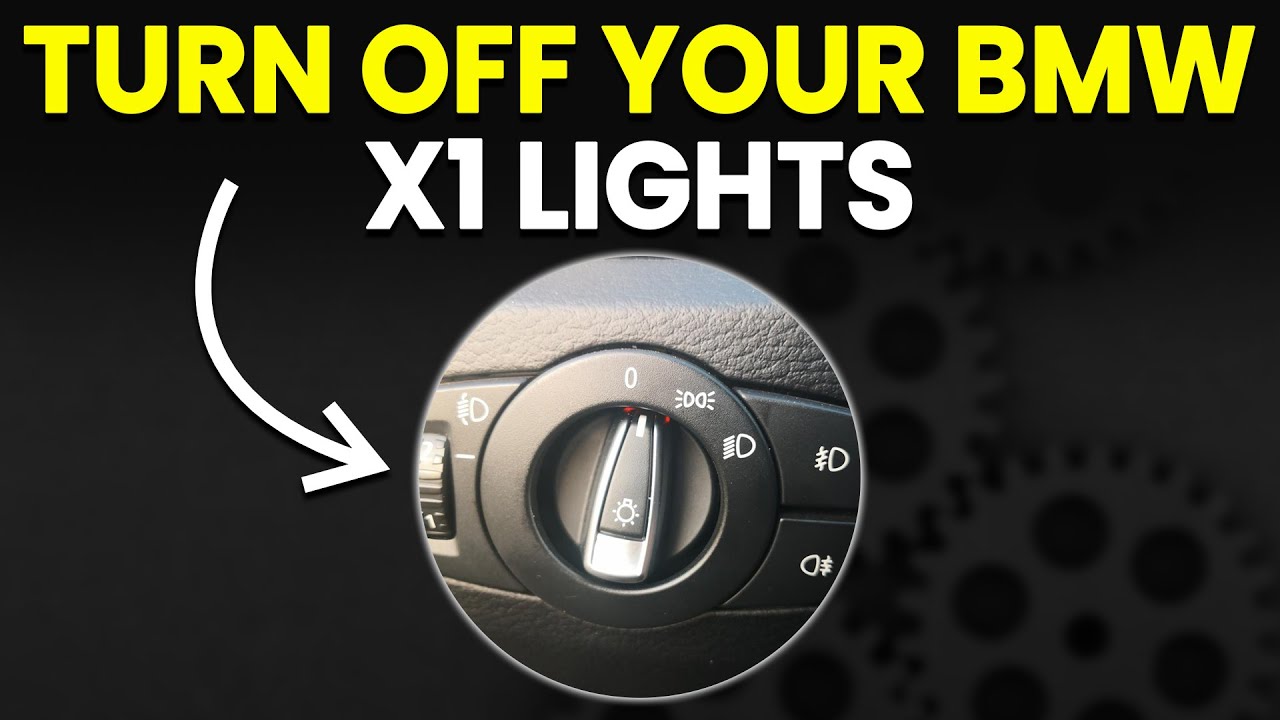
Find the light controls near the steering wheel or on the dashboard. Turn the knob or switch to activate the car lights. Adjust settings for headlights, parking lights, or fog lights as needed.
Locating the light controls in your car is essential for safe driving. Understanding where these controls are can help you drive confidently in different lighting conditions. Most modern cars have similar placements for these controls. Let’s explore the common locations.
Dashboard Controls
Many cars have light controls on the dashboard. These controls are often near the steering wheel. You might find a dial or a series of buttons. Check for symbols like a light bulb or sun. These symbols indicate the light control functions. The dashboard controls usually allow you to switch between different light modes. Look for options like headlights, fog lights, and parking lights.
Steering Column Switches
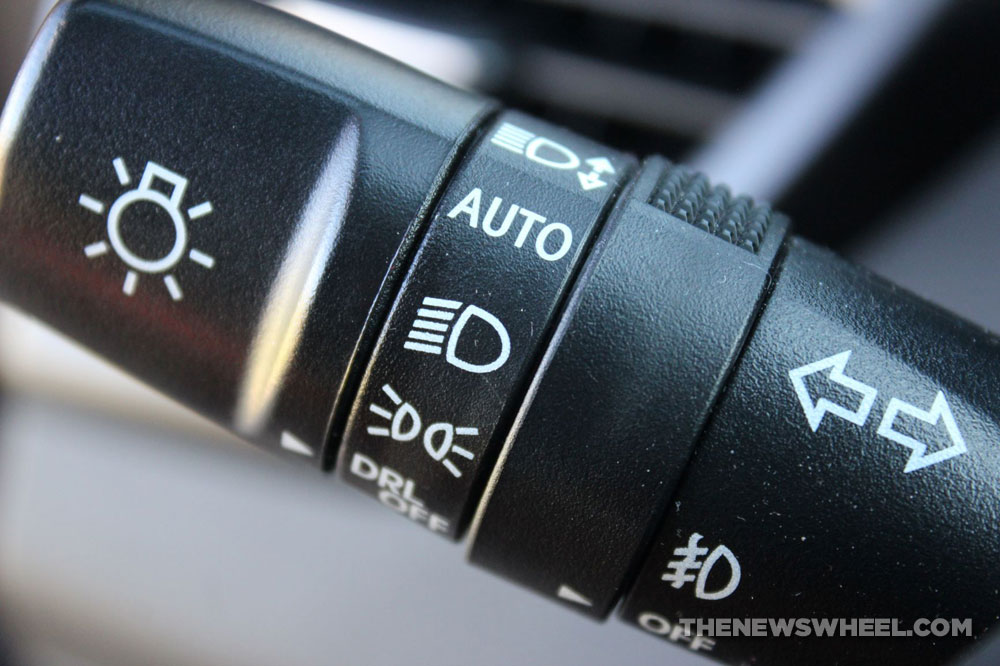
The steering column often houses essential light switches. A lever on the column might control the lights. It’s usually on the left side of the steering wheel. Pull or twist the lever to activate the lights. Different positions of the lever enable different lights. This setup is common in many vehicles, providing easy access while driving.
Switching On The Headlights
Locate the headlight control on the dashboard or steering column. Turn the switch to activate the lights. Ensure your headlights are on in low-light conditions for safety.
Switching on the headlights is an essential skill every driver should master. Whether you’re a new driver or just need a refresher, knowing how to correctly operate your car’s headlights can enhance safety and visibility. Proper use of headlights also ensures you comply with traffic laws and avoid potential fines.
Low Beam Activation
Activating the low beam is usually straightforward. Locate the headlight switch on your car’s dashboard or steering column. Often, it’s a dial or switch labeled with a headlight symbol. Turn the switch to the first position to engage the low beams. These are ideal for driving in well-lit areas or during nighttime city driving. They illuminate the road directly in front of you without blinding other drivers. If you’re unsure, consult your vehicle’s manual for specific instructions. Every car model might have slight variations, and it’s crucial to familiarize yourself with them.
High Beam Usage
High beams are your go-to for driving on dark, rural roads or highways with little to no street lighting. They offer a broader and longer range of illumination. To switch to high beams, move the headlight switch to the next position or use the headlight stalk by pulling or pushing it, depending on your vehicle. Remember, high beams can blind oncoming drivers, so use them judiciously. Always switch back to low beams when another vehicle approaches or when you’re following another car closely. This courtesy ensures everyone’s safety on the road. Take a moment to practice these steps next time you’re in your car. Familiarity with your headlights will enhance your driving confidence and safety. Have you ever faced an unexpected challenge because you weren’t familiar with your headlights? Share your story in the comments!
Using Turn Signals
Switching on car lights is simple. Locate the lever near the steering wheel. Push it up or down to activate the turn signals, ensuring safe direction changes.
Using turn signals is an essential aspect of driving that ensures safety for you and others on the road. Many accidents occur simply because drivers fail to communicate their intentions. Properly using turn signals can prevent misunderstandings and collisions. Let’s dive into how to effectively use your car’s turn signals, starting with the left and right turn signals.
Left Turn Signal
Activating the left turn signal is simple yet crucial. Locate the turn signal lever, typically found to the left of your steering wheel. Push the lever down to indicate a left turn. Your left turn signal light will start blinking, notifying other drivers and pedestrians of your intention to turn or change lanes. Always activate your left turn signal before you begin your maneuver. Consider your surroundings. Are there any pedestrians or cyclists nearby who might need extra warning?
Right Turn Signal
Using the right turn signal follows a similar process. Locate the same lever and push it up to signal a right turn. This action will activate the right turn light, alerting those around you. Ensure your signal is turned on well in advance of your turn or lane change. Think about your timing. Are you giving other drivers enough notice to react safely? By consistently using your turn signals, you contribute to a safer driving environment. It’s a small action with a significant impact, fostering trust and reducing accidents on the road.
Activating Fog Lights
Activating fog lights is essential for driving in low visibility conditions. Locate the fog light switch on your dashboard, often near the headlight controls. Turn it on to illuminate the road and improve safety.
Activating fog lights can enhance your driving safety during adverse weather conditions. Fog lights are designed to improve visibility in fog, heavy rain, or snow. These lights are set lower than regular headlights. They illuminate the road surface more effectively in poor conditions. Knowing how to activate them is essential for safe driving.
Conditions For Use
Fog lights should only be used in specific conditions. They are ideal for foggy, misty, or snowy environments. Using fog lights in clear weather can dazzle other drivers. It is important to turn them off when conditions improve. This ensures you are not causing discomfort to others on the road.
Switch Location
Finding the fog light switch is the first step. The switch is usually near the headlight controls. Look for a symbol resembling a lamp with slanted lines through it. This indicates the fog light function. Some vehicles have a separate button for fog lights. Others integrate it with the headlight control knob. Check your car’s manual for exact locations if unsure. Knowing the switch location allows quick access during poor visibility.
Credit: thenewswheel.com
Importance Of Proper Light Usage
Proper light usage in your car is essential for ensuring safety on the road. It’s not just about turning them on; it’s about using them correctly and at the right times. Understanding the importance of this can make a significant difference in preventing accidents and complying with laws.
Safety Considerations
Imagine driving on a foggy morning without fog lights. The lack of visibility can quickly turn a routine drive into a perilous journey. Car lights, when used properly, illuminate your path and signal your presence to other drivers. You might think your headlights are enough, but don’t forget about tail lights and indicators. In adverse weather conditions, proper light usage becomes even more critical. Ever been on a slick road at night and struggled to see? Using high beams can help, but they should be used judiciously to avoid blinding oncoming traffic.
Legal Requirements
Did you know that neglecting to use your lights properly can lead to fines? Every region has its own set of rules regarding car lights. In some places, driving without lights during certain hours is illegal. Is your car equipped with daytime running lights? These are mandatory in many areas and help increase visibility during daylight hours. Ignoring these laws can lead to penalties or even accidents. Stay informed about the legal requirements in your area; they’re designed to keep everyone safe.
Troubleshooting Common Light Issues
Switching on car lights can sometimes be tricky. Locate the light switch, usually near the steering wheel. Turn it to activate headlights, taillights, and dashboard lights.
Troubleshooting car lights can be simple with the right guidance. Lights are crucial for safety, visibility, and communication on the road. Sometimes, they stop working due to minor issues. Understanding these problems can help you fix them quickly. Let’s explore common light issues and their solutions.
Bulb Replacement
Car light bulbs can burn out or become damaged over time. If your lights are dim or not working, check the bulbs first. Inspect the bulb for signs of damage or discoloration. Replacing a bulb is usually straightforward. Ensure you buy the correct bulb type for your car model. Install the new bulb carefully to avoid damage. Test the lights to confirm they work properly.
Electrical Problems
Electrical issues can affect car lights. These problems are often related to wiring or fuses. Check for loose or corroded connections. Examine the fuse box for blown fuses. A multimeter can help test electrical circuits. If wiring is damaged, it may need repairs or replacement. Ensure all connections are secure and fuses are intact. If problems persist, consult a professional mechanic.

Credit: www.youtube.com
Frequently Asked Questions
How Do I Turn On The Car Side Lights?
Locate the car’s light control switch on the dashboard or steering column. Turn the switch to the side light position, usually indicated by a small light bulb icon. Ensure the vehicle’s battery is on to activate the lights.
How Do You Activate Your Headlights?
To activate your headlights, locate the headlight switch on your dashboard or steering column. Turn or press the switch to the desired position, usually marked with symbols for low and high beam. Ensure your vehicle’s ignition is on to enable the headlights.
How Do I Get My Headlights To Turn Back On?
Check your headlight switch and ensure it’s turned on. Inspect the fuse and replace if blown. Examine the bulbs and wiring for damage. If unresolved, consult a mechanic to diagnose electrical issues.
How Do I Turn On The Back Car Lights?
To turn on the back car lights, locate the light switch on your dashboard. Rotate or toggle it to activate the rear lights. Some cars might require you to turn on the headlights for the rear lights to illuminate. Always consult your car manual for specific instructions.
Conclusion
Switching on car lights is essential for safe driving. Always check your lights before starting your journey. Remember to use headlights in low visibility conditions. Don’t forget about the indicators for signaling turns. Proper use of car lights improves safety for everyone on the road.
Practice turning them on until it feels natural. This ensures you’re ready for any driving situation. Keep your car manual handy for any doubts. With these simple steps, you’ll drive more safely and confidently. Happy and safe driving to you!