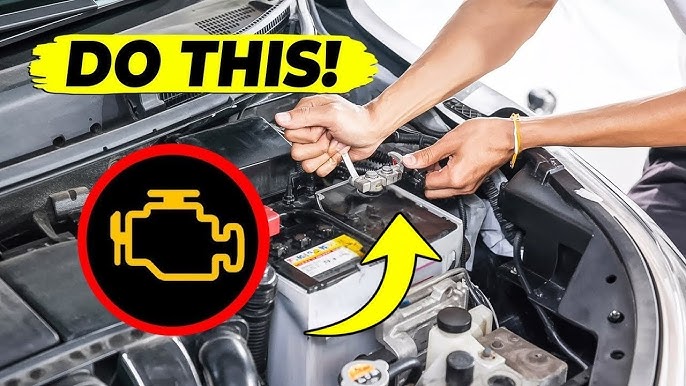
You’re driving along, enjoying the smooth ride, when suddenly, that pesky check engine light pops up on your dashboard. Your heart sinks for a moment, but then you notice something odd—your car is running just fine.
Confused and maybe a little worried, you start to wonder what’s going on. Is it something serious, or can you ignore it for now? You’re not alone. Many drivers experience this same bewildering situation, and it’s crucial to understand what that little light could be trying to tell you.
Stick around as we unravel the mystery behind the check engine light and discover why it might be on even when everything seems normal. Knowing the truth could save you time, money, and a whole lot of stress.

Credit: www.facebook.com
Common Causes Of Check Engine Light
Faulty oxygen sensors or loose fuel caps often trigger the check engine light, even if the car runs smoothly. Electrical issues or failing catalytic converters can also cause this warning without affecting immediate performance.
The check engine light can be a source of frustration, especially when your car seems to be running just fine. This mysterious little light can indicate a range of issues, some of which are surprisingly simple to fix. Understanding the common causes can save you time and stress, and may even prevent more serious problems down the road.
Loose Gas Cap
One of the easiest fixes is simply tightening your gas cap. A loose gas cap can cause fuel vapors to leak, which can trigger the check engine light. Next time you fill up, make sure the cap clicks into place securely.
Faulty Oxygen Sensor
An oxygen sensor measures the amount of unburned oxygen in your car’s exhaust. If it fails, your vehicle’s computer may not optimize the fuel mixture correctly. This can lead to inefficient fuel usage and eventually damage to components like the catalytic converter.
Catalytic Converter Issues
The catalytic converter reduces harmful emissions by converting them into less harmful gases. When it malfunctions, it can cause your car to run hot or emit a rotten egg smell. Regular maintenance can help avoid costly repairs or replacements.
Spark Plug Problems
Spark plugs ignite the air/fuel mixture in the engine’s cylinders. Worn-out spark plugs can lead to poor engine performance and reduced fuel efficiency. Regularly replacing them is a simple way to keep your engine running smoothly. Have you experienced any of these issues? Addressing them promptly not only extinguishes that pesky light but also ensures your vehicle remains reliable.
Immediate Steps To Take
Consider checking the gas cap for tightness as a first step. Then, use an OBD-II scanner to identify any error codes. It’s wise to consult a professional mechanic if the issue persists, ensuring your vehicle remains safe and in good condition.
When your check engine light flicks on but the car runs fine, it can be confusing. The light warns of issues, but not all are urgent. Address the light to avoid future problems. Here are steps to help you manage the situation.
Inspect The Gas Cap
A loose gas cap can trigger the check engine light. Ensure it’s tight and properly sealed. This simple check often solves the problem. If the cap is worn or cracked, replace it. A new gas cap is affordable and easy to install.
Check For Obvious Signs
Look for signs like unusual noises or fluid leaks. These signs may indicate a hidden problem. Inspect the dashboard for other warning lights. Check the oil and coolant levels as well. Low levels can trigger the light. If everything looks normal, consider a diagnostic test. This can reveal hidden issues.
Diagnostic Tools And Techniques
“Check engine light on but car runs fine” can be puzzling. Diagnostic tools help identify potential issues. Techniques involve reading error codes to ensure vehicle safety and performance.
Understanding why the check engine light is on can be puzzling. Especially when the car runs fine. Diagnostic tools and techniques help identify the problem. They provide a clearer picture of what might be wrong.
Using An Obd-ii Scanner
An OBD-II scanner is handy for car diagnostics. Plug it into your car’s port to read error codes. These codes help pinpoint specific issues. The scanner can reset the check engine light if needed. It’s a cost-effective tool for car owners. OBD-II scanners are available in many auto parts stores. Some models connect to smartphones via apps. This makes it easier to understand the error codes. Investing in an OBD-II scanner saves time and stress.
Professional Diagnostic Services
Professional services offer a thorough car check-up. They have advanced diagnostic tools. These tools can detect hidden issues. A mechanic can interpret error codes accurately. They provide a detailed report of findings. Professionals can also perform further tests. This ensures all potential problems are addressed. Relying on expert services gives peace of mind. Your car’s health is in skilled hands. Regular check-ups maintain your car’s performance. It prevents small issues from becoming big problems.

Credit: www.acg.aaa.com
Evaluating The Severity
Evaluating the severity of a check engine light when the car runs fine is crucial. It could indicate minor issues like a loose gas cap or more serious problems needing attention.
When the check engine light illuminates, it often causes concern. Yet, the car might still run smoothly. Understanding the severity can save time and money. Knowing whether to act or wait is crucial. Let’s explore how to evaluate this issue.
Intermittent Vs. Constant Light
An intermittent check engine light flickers on and off. This may indicate a minor issue. Perhaps a loose gas cap or a sensor glitch. It’s wise to monitor the light’s behavior. Document when it appears and disappears. A constant light, however, suggests a more serious problem. It signals an issue needing immediate attention. A steady light warrants a trip to the mechanic.
Potential Risks Of Ignoring
Ignoring the check engine light can lead to bigger problems. Small issues may grow, affecting engine performance. The catalytic converter might suffer damage. Fuel efficiency could drop, costing more at the pump. Safety risks increase if the car breaks down unexpectedly. Addressing the light promptly prevents these risks. It ensures your vehicle remains reliable and safe on the road.
Preventive Measures
Regular maintenance can prevent serious issues when the check engine light appears. Inspect engine components to ensure proper functioning. Use a diagnostic tool to identify potential problems early.
Preventive measures are crucial when your car’s check engine light is on, but it runs fine. Ignoring the light can lead to bigger issues down the road. By taking a proactive approach, you can maintain your car’s health and avoid unexpected breakdowns.
Regular Maintenance
Sticking to your car’s maintenance schedule can save you a lot of trouble. Regular oil changes, filter replacements, and fluid checks keep your engine running smoothly. When was the last time you checked these essential components? A simple visit to your mechanic for a routine inspection can catch potential issues early. They can pinpoint minor problems before they become costly repairs. You’ll thank yourself for avoiding a hefty bill later.
Timely Repairs
Addressing minor issues promptly can prevent them from becoming major headaches. A small, inexpensive repair now can save you from a significant expense later. Think about the last time you postponed a repair—did it turn out well? Trust your instincts if something feels off. If you’re unsure about a warning light, consult a professional. Your car’s performance and your peace of mind are worth it. Taking these preventive measures ensures your car remains reliable. Don’t wait for an emergency to force your hand. Be proactive and enjoy the confidence that comes with a well-maintained vehicle.
When To Seek Professional Help
You’ve been cruising along, feeling good about your car’s performance, when suddenly that pesky check engine light comes on. But your car seems to be running just fine. It can be tempting to ignore it, but sometimes seeking professional help is the smartest move. Knowing when to call in the experts can save you from costly repairs down the line. Let’s break down the scenarios where you should consider bringing in a pro.
Persistent Warning Light
If that check engine light refuses to disappear, it might be time to consult a mechanic. A persistent light can signal an underlying issue that might not be immediately apparent. Perhaps there’s a minor sensor malfunction, or worse, a problem slowly brewing that could escalate. Addressing it early can prevent minor issues from becoming major headaches. Have you ever found yourself ignoring a small problem only for it to snowball? This could be one of those times.
Complex Engine Issues
Sometimes, the check engine light indicates complex problems that require a professional’s touch. Modern cars are equipped with intricate systems that can be tricky to diagnose without proper tools. An experienced mechanic can use diagnostic equipment to pinpoint the issue accurately. You might think you can handle it on your own, but are you prepared for the potential fallout if things go wrong? When in doubt, letting a pro handle it can be the safest bet.
Cost Considerations
Repair costs can vary greatly when the check engine light is on but the car runs fine. It’s wise to get a diagnosis to understand potential issues and avoid future expensive repairs. Addressing minor problems early may prevent costly damage and ensure long-term vehicle health.
Cost considerations are vital when dealing with a check engine light. Your car might seem fine, but ignoring the light can lead to bigger issues. Understanding repair costs can help you make smart decisions.
Diy Vs. Professional Repair
Deciding between DIY and professional repair is important. DIY repairs can save money. You need the right tools and knowledge. Incorrect repairs can cause more damage. Professional repairs are often more reliable. Mechanics have the expertise to diagnose issues accurately. They can fix problems efficiently. Professional help might be expensive. Consider the complexity of the issue before choosing.
Budgeting For Repairs
Setting a budget for repairs helps manage costs. Start by getting estimates from different mechanics. Compare prices to find the best deal. Consider the potential cost of parts and labor. Unexpected costs can arise. Include a buffer in your budget for these surprises. Regular maintenance can prevent costly repairs in the future. Maintain your car to avoid high costs later. Investing in quality repairs can save money long-term.
Credit: www.youtube.com
Frequently Asked Questions
Can You Drive A Car Normally But The Engine Light Is On?
Yes, you can drive with the engine light on, but it’s risky. The light indicates potential issues needing attention. Continuing to drive might worsen problems, leading to expensive repairs. It’s best to have your vehicle inspected by a mechanic promptly to ensure safety and prevent further damage.
What Is The First Thing To Check When The Check Engine Light Comes On?
Check the gas cap first when the check engine light appears. A loose or damaged cap might trigger the light. Ensure it is securely tightened. If the light remains on, consider scanning for error codes using an OBD-II scanner for further diagnosis.
Can A Check Engine Light Come On Falsely?
Yes, a check engine light can come on falsely. Faulty sensors or electrical issues can trigger it. Always consult a mechanic for accurate diagnosis. Regular maintenance helps prevent false alerts.
What Is The Most Common Cause Of A Check Engine Light?
The most common cause of a check engine light is a faulty oxygen sensor. This sensor measures oxygen levels in the exhaust and helps optimize fuel efficiency. A malfunction can lead to poor engine performance and increased emissions. Regular maintenance can prevent this issue and keep your vehicle running smoothly.
Conclusion
A check engine light can seem worrying. Yet, your car runs fine. Sometimes, minor issues trigger it. Loose gas caps or sensor errors are common causes. Regular checks help pinpoint problems early. Don’t ignore the light for too long. It might signal a bigger issue later.
Simple solutions often solve the problem. Consult a mechanic if unsure. Peace of mind is important. Addressing the light promptly ensures safety. Your car stays reliable. Keep maintenance in mind. Drive with confidence, knowing your vehicle is well-cared for.