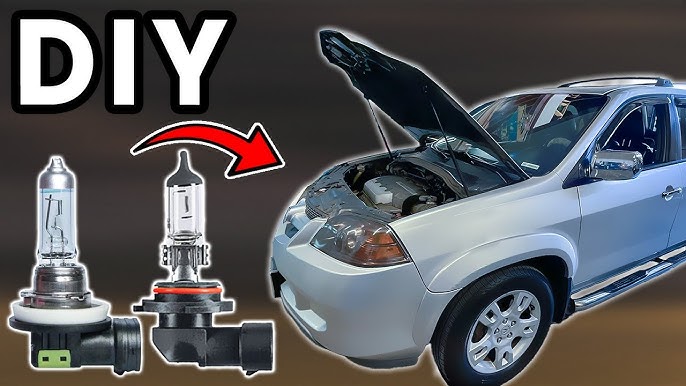
Ever found yourself squinting into the darkness while driving at night, wishing your headlights were brighter? You’re not alone.
Car light bulbs can burn out or become dim over time, compromising your safety and visibility on the road. But replacing them doesn’t have to be a daunting task. Imagine the satisfaction of knowing you can tackle this simple maintenance task yourself, saving both time and money.
In this guide, you’ll discover straightforward steps to replace your car’s light bulb efficiently. Whether you’re a seasoned DIY enthusiast or a curious first-timer, this article is tailored to empower you with the confidence to handle your car’s needs. Dive in, and let’s illuminate your path!
Tools Needed
Gather a new bulb, screwdriver, gloves, and a clean cloth. These basic tools help in changing car light bulbs easily. Ensure you have the correct bulb type for your vehicle model.
Replacing a car light bulb is a simple task. It requires the right tools and a little patience. Having the correct tools ensures a smooth process. This guide will help you gather everything you need. With these tools, you can replace your car light bulb efficiently.
Basic Toolkit
Start with a basic toolkit. This includes screwdrivers and pliers. These are essential for removing and securing screws. A flathead and a Phillips screwdriver will be useful. Pliers help in gripping and twisting components.
Protective Gloves
Wear protective gloves to keep your hands safe. They prevent cuts and scrapes. Gloves also protect the bulb from oils and dirt. This helps the bulb last longer.
Flashlight
A flashlight is essential for better visibility. It helps you see in tight and dark spaces. Ensure your flashlight is bright enough to illuminate your work area.
New Light Bulb
Make sure you have a new light bulb. Check your car manual for the correct bulb type. Using the wrong bulb can cause problems. Double-check the bulb specifications before purchasing.
Microfiber Cloth
Keep a microfiber cloth handy for cleaning. Use it to wipe dust and dirt from the assembly. A clean surface ensures a proper fit for the new bulb.
Owner’s Manual
Refer to your car’s owner’s manual. It provides specific instructions for bulb replacement. The manual helps you locate the bulb and describes the replacement process.

Credit: www.youtube.com
Safety Precautions
Ensure the car is off and the lights are cool before starting. Use gloves to handle the bulbs, avoiding direct contact. This prevents oil from your skin damaging the bulb.
Replacing a car light bulb can seem simple. But, safety is crucial during this process. Ensuring safety prevents injuries and damage. Taking the right precautions is key. This guide will help you stay safe.
Wear Protective Gear
Always wear gloves to protect your hands. Use safety glasses to shield your eyes. This gear prevents injuries.
Turn Off The Car
Always turn off the engine before starting. This stops electrical shocks and ensures safety.
Disconnect The Battery
Remove the negative terminal of the battery first. It prevents accidental electrical issues. This step is essential for safety.
Work In A Well-lit Area
Ensure your workspace is bright and clear. Good lighting helps avoid mistakes. It also improves your focus.
Read The Manual
Consult the car’s manual for guidance. It provides specific safety tips. Following these tips is important.
Handle Bulbs Carefully
Handle bulbs without touching the glass. Fingerprints can shorten bulb life. Use a clean cloth if needed.
Check Temperature
Ensure the bulb and socket are cool. Hot surfaces can cause burns. Always wait for them to cool down. Stay safe while replacing car bulbs. Following these precautions makes the process smoother.
Identifying The Bulb Type
Identifying the Bulb Type Recognize your car’s bulb type by consulting the owner’s manual or checking online databases. This ensures you buy the correct replacement and avoid compatibility issues.
Identifying the right bulb type for your car is a crucial step in replacing car light bulbs. It ensures not only the correct fit but also optimal performance and safety. Knowing your bulb type prevents you from making unnecessary trips to the auto shop, saving both time and money. Let’s dive into how you can easily identify the bulb type your car needs.
Check The Owner’s Manual
Your car’s owner manual is a goldmine of information. It contains specific details about the kind of bulbs your vehicle requires. Flip through the pages or check the index for the lighting section. This will often provide you with the exact model number and specifications.
Inspect The Bulb Itself
Sometimes, the bulb in your car has information printed on its base. Carefully remove the bulb from its socket and inspect it. Look for a series of numbers or letters which can help identify the type.
Use Online Tools
Several websites offer tools to identify the right bulb type for your car. Enter your car’s make, model, and year, and these tools can quickly provide the exact bulb specifications you need. This is especially helpful if you don’t have your manual on hand.
Consult With A Professional
If you’re still unsure, don’t hesitate to ask a professional. A quick visit to your local auto parts store can offer clarity. The staff can usually identify the bulb type just by knowing the make and model of your car.
Consider Upgrading Your Bulbs
While identifying your bulb type, consider if it’s time for an upgrade. LED or high-intensity discharge (HID) bulbs can offer better visibility and longer life. Are your current bulbs meeting your needs, or is it time for a change? Taking the time to correctly identify your car’s bulb type can enhance your driving experience significantly. Have you ever had to replace a bulb and discovered you bought the wrong one? Avoid that frustration by following these simple steps.
Removing The Old Bulb
Replacing a car light bulb may seem daunting, but it’s manageable. The process begins with removing the old bulb. This task involves a few simple steps. Follow them to ensure a smooth bulb replacement.
Accessing The Bulb Housing
First, locate the bulb housing in your car. It is often behind the headlight assembly. Open the hood and find the back of the headlight. You might need to unscrew a cover or remove a clip. This depends on your car model. Make sure to keep these parts safe for reassembly.
Disconnecting Electrical Connections
Once you access the bulb housing, disconnect the electrical connections. Look for a plug attached to the bulb. Gently pull it out to avoid damage. If it feels stuck, wiggle slightly to loosen it. Remember the position of the connections for later. This will help you install the new bulb correctly.
Installing The New Bulb
Ensure the car is off and cool. Open the hood or trunk to access the bulb. Carefully remove the old bulb and insert the new one, securing it in place.
Installing a new car light bulb is an essential skill for every driver. It can save you time and money. Understanding the process ensures your safety on the road. Follow these steps to install your new bulb correctly.
Positioning The New Bulb
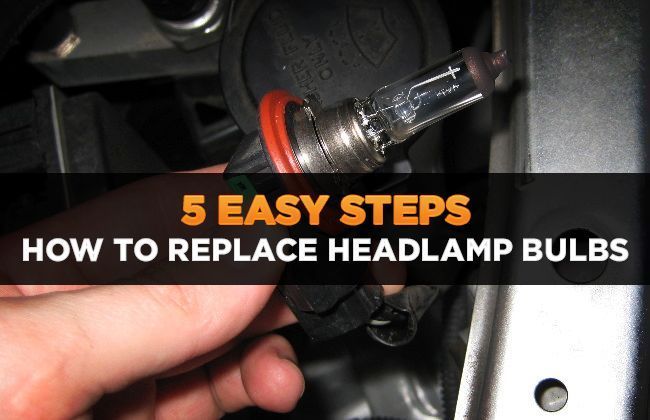
First, make sure your car is off. This prevents any electrical issues. Gently insert the new bulb into the socket. Align it properly with the slots. You should feel it click into place. This ensures it is secure and won’t fall out. Check the manual if you’re unsure about the bulb’s position. It often contains helpful diagrams.
Reconnecting Electrical Connections
Reconnect the electrical connector to the bulb. Ensure it is tight and secure. Loose connections can cause flickering or failure. Listen for a click to confirm it’s connected. If it doesn’t click, recheck the alignment. Once connected, turn on your car’s lights. This tests if the bulb is working correctly. If it lights up, your installation is successful. If not, recheck all connections and the bulb’s position.
Credit: www.cardekho.com
Testing The New Bulb
Testing the new bulb ensures proper functioning after installation. Carefully align and insert the new bulb, then check for brightness and position. Adjust as needed for optimal visibility and performance.
After installing a new car light bulb, it’s crucial to ensure it works properly. Testing the new bulb helps verify its functionality and alignment. This step prevents future issues and ensures safety during night drives. A simple check can save you from unexpected surprises. Follow these easy steps to test your new bulb effectively.
Checking The Bulb’s Connection
Make sure the bulb is securely connected. Loose connections can cause flickering. Double-check the socket and bulb alignment. Ensure the bulb fits tightly in its socket.
Powering Up The Vehicle
Start your car and turn on the headlights. Observe if the new bulb lights up. This confirms the bulb receives power properly.
Inspecting Light Intensity
Compare the new bulb’s brightness with others. Similar intensity indicates correct installation. A dim bulb might need reinstallation or replacement.
Testing The Bulb In Different Conditions
Check the bulb in various light conditions. Ensure it works well at dusk and during the night. This verifies its performance across different scenarios.
Evaluating Bulb Alignment
Observe the light pattern on the road. Proper alignment ensures safe visibility. Misaligned bulbs can cause uneven lighting. Adjust if necessary.
Reviewing Bulb Response
Switch the lights on and off a few times. This tests the bulb’s response time. A quick response indicates good health. Slow response may suggest connection issues.
Ensuring Safety For Night Drives
A final test drive at night can be helpful. Ensure the bulb illuminates the road clearly. Confirm no flickering or dimming during the drive. Safety is paramount for night travel.
Troubleshooting Common Issues
Replacing a car light bulb often involves checking the bulb type and accessing the light assembly. Carefully remove the old bulb and insert the new one, ensuring proper alignment and connection.
Replacing a car light bulb seems simple, but problems can arise. Identifying and fixing these issues ensures safety. Let’s explore common problems and their solutions.
Check The Bulb Type
Using the wrong bulb can cause issues. Ensure you select the correct bulb for your car. Consult your car manual for guidance. Double-check the bulb model before purchasing.
Inspect The Bulb Socket
A faulty socket can prevent the bulb from working. Look for corrosion or dirt in the socket. Clean it using a soft brush or cloth. If damaged, consider replacing the socket.
Examine The Fuse
A blown fuse might cause the bulb to malfunction. Locate the fuse box in your car. Refer to the diagram for the light bulb fuse. Replace it with a new one if necessary.
Check The Wiring
Loose or damaged wiring can affect bulb performance. Inspect the wires connected to the bulb socket. Ensure they are secure and undamaged. Repair or replace any faulty wires.
Test The Switch
The switch controlling the bulb might be faulty. Turn the switch on and off several times. If the bulb doesn’t light, you may need a new switch.
Verify The Power Source
Sometimes, the power source could be the problem. Check the battery and alternator. Ensure they are providing enough power. If not, get them checked by a professional.
Maintenance Tips
Replacing a car light bulb is simple. First, open the hood and locate the bulb holder. Twist the holder and remove the old bulb. Insert the new bulb carefully and secure the holder back in place.
Maintaining your car’s light bulbs is essential for safe driving. Regular checks ensure they function correctly. Replacing bulbs promptly prevents nighttime visibility issues. Follow these maintenance tips to keep your car lights in top condition.
Check Bulbs Regularly
Inspect your car’s lights monthly. This helps you catch any issues early. Turn on your headlights, brake lights, and indicators. Walk around your car to ensure all bulbs work.
Clean Light Covers
Dust and grime can dim your lights. Use a soft cloth and mild cleaner. Gently wipe the covers to remove dirt. This keeps your lights bright and effective.
Keep Spare Bulbs
Always have spare bulbs in your car. This ensures you can replace a faulty bulb immediately. Most cars need only a few types of bulbs.
Avoid Touching Bulbs Directly
Oil from your fingers can reduce bulb lifespan. Use a cloth or gloves when handling. This prevents the bulbs from burning out quickly.
Consult Your Car Manual
Your car manual provides valuable information. It details the correct bulb types and installation steps. Follow the guide to avoid mistakes.

Credit: www.familyhandyman.com
Frequently Asked Questions
Can You Change Car Bulbs Yourself?
Yes, you can change car bulbs yourself. Ensure you have the right tools and replacement bulb. Check your vehicle manual for guidance. Practice caution and disconnect the battery to avoid electrical issues. It’s a simple task for many car models.
Always ensure the bulb is securely installed.
How Much Does It Cost To Replace A Headlight Bulb On A Car?
Replacing a headlight bulb on a car typically costs between $15 and $50, depending on the bulb type. Labor fees may add another $50 to $100 if done professionally. DIY replacement can save labor costs. Always check your car’s manual for the correct bulb type.
Does O’reilly Change Headlight Bulbs For Free?
O’Reilly Auto Parts offers free headlight bulb installation when you purchase bulbs from their store. Availability of this service depends on store policies and staff expertise. It’s advisable to call ahead and confirm with your local store. This ensures you receive the assistance you need.
Will Autozone Change My Tail Light Bulb?
AutoZone staff typically assist with tail light bulb selection but don’t offer installation services. DIY installation is often recommended.
Conclusion
Changing a car light bulb is simple with the right steps. Gather your tools. Ensure safety by turning off the engine. Follow the guide to remove the old bulb. Install the new bulb securely. Test the lights before driving. Regular checks prevent future issues.
Save money by doing it yourself. Increase your car’s safety on the road. Enjoy the satisfaction of fixing it yourself. Make sure to always read your car manual for specific instructions. With practice, bulb replacement becomes easy and routine. Keep your car shining bright and drive safely!