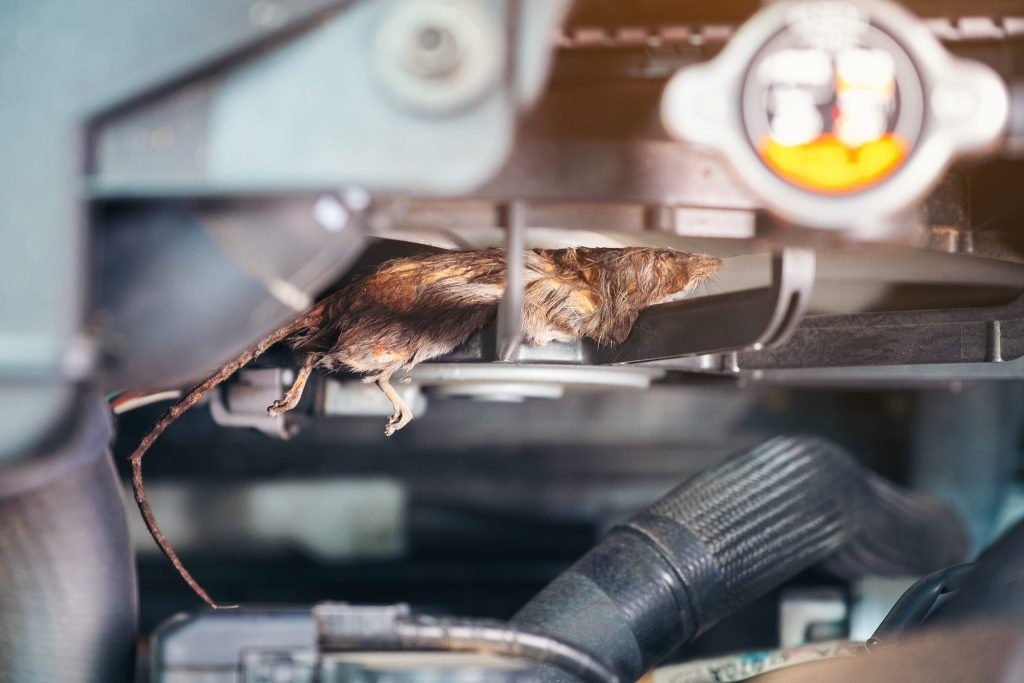
Discovering that mice have made a cozy nest in your car engine can be both alarming and frustrating. These tiny invaders can cause significant damage to your vehicle, chewing through wires and creating a mess that could lead to expensive repairs.
But don’t worry—you’re not alone in facing this pesky problem, and there are effective solutions to tackle it. You might be wondering how those little critters got into your car in the first place, and more importantly, how to keep them out for good.
This article is here to guide you through practical, step-by-step methods to reclaim your vehicle from unwanted guests. By the time you finish reading, you’ll be equipped with the knowledge to not only evict these uninvited tenants but also prevent them from returning. So, let’s dive in and show those mice who’s boss!
Signs Of Mice Infestation
Mice infestation in your car engine can cause serious damage. Detecting the signs early can save you from costly repairs. Here are some indicators of a mouse problem under your car hood.
Droppings And Nesting Materials
Mice leave behind droppings near their nests. Check for small, dark pellets around the engine. Nesting materials like shredded paper or fabric might be visible. These materials can clog parts of the engine.
Chewed Wires And Hoses
Mice have sharp teeth and chew through wires and hoses. This can lead to electrical problems or fluid leaks. Inspect for damaged insulation or exposed wires. Look for bite marks on rubber hoses.
Strange Noises And Odors
Listen for unusual sounds when starting your car. Scratching or squeaking may indicate mice. A musky odor might mean mice are present. Their urine and droppings create a noticeable smell.

Credit: www.amazon.com
Prevention Techniques
Seal any openings around the car engine to block entry points for mice. Regularly clean the engine area to remove food and nesting materials. Use peppermint oil or mothballs to deter mice from settling in the engine bay.
Preventing mice from making your car engine their new home can save you from unexpected headaches and costly repairs. While dealing with the problem after it occurs is crucial, the best approach is to prevent it from happening altogether. Here are some effective prevention techniques to keep these pesky rodents at bay.
Parking In Safe Areas
Choose your parking spot wisely. Mice are less likely to invade cars parked in busy, well-lit areas. If possible, avoid parking near fields or wooded areas where mice are more prevalent. Consider parking your car in a garage if you have access to one. This not only provides a physical barrier but also reduces exposure to mice-prone environments. Installing motion-activated lights can also deter mice. Bright lights can scare them away, making them think twice before approaching your vehicle.
Removing Food Sources
Never leave food in your car. Even small crumbs can attract mice, leading them to explore further into your vehicle. Regularly clean your car, especially the seats and floor mats. Vacuuming can help remove any food particles that might have fallen. If you store food items in your garage, ensure they are sealed tightly. Mice are attracted to the smell of food, and they might find their way into your car from the garage.
Sealing Entry Points
Inspect your vehicle for potential entry points. Look for gaps around the hood, vents, and beneath the car. Use steel wool or metal mesh to block these gaps. Mice can chew through many materials, but metal is usually too tough for them. Regularly check for signs of entry or gnawing. Spotting these early can prevent a full-blown infestation. By implementing these prevention techniques, you can significantly reduce the chances of mice finding their way into your car engine. What steps will you take today to protect your vehicle?
Natural Repellents
Natural repellents like peppermint oil and cloves can help deter mice from nesting in car engines. Their strong scent is unpleasant to mice, encouraging them to find shelter elsewhere. Regular application ensures effectiveness and keeps your car engine free from unwelcome rodents.
Natural repellents offer a safer way to deter mice from car engines. These methods use scents and sounds to keep rodents away. They are eco-friendly and easy to apply. Many car owners prefer them over chemical products. Let’s explore some natural options.
Peppermint Oil Application
Peppermint oil is a popular choice for repelling mice. Its strong scent can deter rodents effectively. To use, soak cotton balls in peppermint oil. Place them around the engine compartment. Refresh the cotton balls weekly for best results. This method is simple and non-toxic.
Using Mothballs
Mothballs can keep mice out of your car engine. Their pungent smell repels rodents. Place a few mothballs in a mesh bag. Hang the bag near the engine area. Ensure it’s secure and won’t move during driving. Replace the mothballs monthly to maintain their effectiveness.
Ultrasonic Devices
Ultrasonic devices emit sounds that deter mice. These sounds are inaudible to humans but annoying to rodents. Place the device in your car engine area. Ensure it is powered and functioning properly. Ultrasonic devices offer a tech-savvy solution to mouse problems.
Trapping Methods
Placing traps near the engine can effectively catch mice. Use peanut butter as bait to attract them. Regularly check and remove any caught rodents to keep the area clear.
Finding mice in your car engine can be both frustrating and concerning. These little invaders can cause significant damage if not dealt with promptly. One effective way to address this issue is through trapping methods. By setting up traps, you not only remove the current problem but also prevent future infestations. Let’s dive into some proven techniques to help you keep your car engine mouse-free.
Setting Snap Traps
Snap traps are a traditional and highly effective method for catching mice. These traps work quickly, ensuring a humane approach to your mouse problem. Choose high-quality traps to ensure efficiency and reliability. To set up a snap trap, place a small amount of bait, like peanut butter or cheese, on the trigger plate. Ensure the trap is set tightly, so it activates with minimal pressure. Position the trap near areas where you notice mouse activity, such as the corners of your garage or underneath the car.
Using Glue Traps
Glue traps offer a simple, non-toxic option for catching mice. These traps work by using a sticky surface to capture mice as they scurry across. They are especially useful in tight spaces where snap traps may not fit. Place glue traps along pathways where mice frequently travel. Be sure to check them regularly to dispose of any caught mice. While effective, glue traps require frequent monitoring to prevent any trapped mice from suffering unnecessarily.
Placement And Monitoring
Proper placement of traps is crucial to success. Consider where mice are likely to enter or exit your car engine. These entry points are prime locations for trap placement. Regular monitoring of traps ensures they remain effective and allows you to remove any captured mice quickly. Check traps daily to reset or replace them as needed. Consistent observation helps you gauge the level of infestation and adjust your approach accordingly. Have you ever considered how much damage a single mouse can do to your car? Taking proactive measures with these trapping methods can save you time, money, and stress.
Professional Pest Control
Protect your car engine from mice with professional pest control. Utilize traps and repellents to deter rodents. Keep your vehicle clean and free of food crumbs. Regular checks ensure mice stay away from sensitive areas.
When mice invade your car engine, sometimes the problem calls for more than DIY solutions. Professional Pest Control services can be your go-to option for a comprehensive and effective approach to banishing these pesky rodents. With their expertise, they can offer peace of mind and a mouse-free engine.
When To Contact Experts
If you’ve tried traps and repellents but still hear the pitter-patter of tiny feet, it might be time to call in the pros. Persistent infestations often require specialized knowledge and equipment. They have the skills to locate nests hidden deep within your engine’s nooks and crannies. Signs like chewed wires or droppings should prompt action. The longer you wait, the more damage mice can cause. Plus, experts can prevent future invasions by identifying and sealing entry points.
Expected Treatments
Professionals use a mix of treatments to ensure mice are gone for good. This might include setting baits and traps in strategic locations. Some may even use ultrasonic devices that deter rodents with sound waves. They’ll also clean and sanitize affected areas to remove pheromones that attract other mice. This thorough approach minimizes the chance of a repeat problem.
Cost Considerations
Wondering about the price tag for professional help? Costs can vary based on the severity of the infestation and the size of your vehicle. Most services offer a range of packages, allowing you to choose what fits your budget. Investing in professional pest control can save you from expensive repairs down the line, such as replacing chewed wiring or damaged components. Have you ever calculated the cost of a breakdown caused by rodent damage? Sometimes, prevention is far cheaper than repairs. Involving experts in your battle against mice in your car engine can be a smart move. With their help, you can keep your vehicle running smoothly and rodent-free.

Credit: www.instagram.com
Maintenance Tips
Keep mice away by parking your car in a closed garage. Regularly check the engine bay for droppings or nests. Use peppermint oil or mothballs to deter them from nesting in the engine.
Maintaining your car engine is crucial for preventing mice infestation. Mice can cause significant damage if left unchecked. Here are some essential maintenance tips to keep your engine safe.
Regular Engine Checks
Inspect your engine regularly. Look for signs of mice like droppings or nests. Early detection prevents extensive damage. Check wires and hoses for any gnaw marks. Mice love chewing on wires, which can lead to costly repairs.
Cleaning The Engine Bay
Keep the engine bay clean. Remove leaves and debris. They provide perfect nesting spots for mice. Use a vacuum to clean tight spaces. A clean engine bay deters mice from settling in. Consider using engine-safe cleaning products to remove any scent traces that attract rodents.
Routine Pest Control
Implement routine pest control measures. Use peppermint oil around the engine. Mice dislike the smell and will stay away. Consider using ultrasonic rodent repellents. These devices emit sounds that are unpleasant to mice. Regular pest control keeps your car protected from infestations.

Credit: www.amazon.com
Frequently Asked Questions
How Do Mice Get Into Car Engines?
Mice enter car engines seeking warmth and shelter. They access through gaps, vents, or openings. Regularly check for entry points and seal them to prevent infestation. Keeping the area clean can also deter mice from making their way into your vehicle’s engine compartment.
What Are Signs Of Mice In Car Engines?
Signs include chewed wires, nests, or droppings. You might notice strange noises or issues with engine performance. Regular inspection of your engine can help spot these signs early. Addressing them promptly can prevent further damage and costly repairs.
How Can I Prevent Mice In My Car Engine?
To prevent mice, park in a clean, open area. Use repellents like peppermint oil or mothballs. Regularly inspect your engine for signs of mice. Ensuring your car is driven often can also discourage mice, as they prefer stationary environments.
What Damage Can Mice Cause In Engines?
Mice can chew through wires, hoses, and insulation. This can lead to electrical issues and engine malfunctions. Their nesting materials can block airflow, affecting performance. Regular checks and maintenance can help minimize damage and keep your engine running smoothly.
Conclusion
Mice in car engines can cause big problems. Take action to protect your vehicle. Regular checks keep mice away. Use peppermint oil or mothballs for a natural deterrent. Seal any openings in your car. Traps work well for catching them.
Always keep your car clean inside and out. Store your vehicle in a secure place. These steps help keep mice from nesting. Your engine will stay safe. Protect your car today. Save time and money tomorrow. Stay proactive. Keep those pesky mice away.
Your car will thank you.