Your leather car interior says a lot about you. It shows your style, care, and attention to detail.
But keeping that leather clean and looking fresh can be tricky. If you want to avoid cracks, stains, and fading, you need the right approach. In this guide, you’ll discover simple, effective steps to clean your leather car interior like a pro.
By the end, your car will feel newer, more comfortable, and even more valuable. Ready to bring back that smooth, luxurious look? Let’s get started.
Choosing The Right Cleaning Products
Choosing the right cleaning products is key to keeping leather car interiors in top shape. The wrong product can cause damage or leave stains. Leather is sensitive and needs gentle care. Selecting safe and effective cleaners helps maintain its texture and color. Understanding product types helps protect your investment and extend the leather’s life.
Leather Cleaners Vs Household Cleaners
Leather cleaners are made specifically for leather surfaces. They clean without stripping natural oils. Household cleaners may contain harsh chemicals. These can dry out or crack leather. Avoid using bleach, ammonia, or alcohol. These ingredients damage leather fibers. Leather cleaners keep the material soft and supple.
Natural Cleaning Alternatives
Natural options offer gentle cleaning without chemicals. Mild soap mixed with water works well. Use a soft cloth to apply the solution. White vinegar diluted with water removes stains safely. Coconut oil or olive oil can condition leather. Test natural cleaners on a small spot first. These methods reduce exposure to synthetic chemicals.
Avoiding Harmful Ingredients
- Stay away from bleach and ammonia.
- Avoid products with alcohol or solvents.
- Skip cleaners with harsh fragrances or dyes.
- Choose pH-balanced products designed for leather.
- Read labels carefully to check ingredients.
Using safe products keeps leather soft and durable. Harmful chemicals cause fading and cracking over time. Protect your car’s interior by choosing wisely.
Credit: www.leatherhoney.com
Preparing Your Car Interior
Preparing your car interior before cleaning leather seats is crucial to achieve the best results without causing damage. Taking a few moments to set the stage can save you time and effort later. It also helps protect other parts of your car from accidental spills or harsh cleaners.
Removing Loose Dirt And Debris
Start by clearing out any loose dirt, dust, and crumbs from the leather surfaces. Use a soft brush or a vacuum cleaner with a brush attachment to gently lift debris without scratching the leather. If you skip this step, you might rub dirt deeper into the leather during cleaning, making stains worse.
Protecting Non-leather Surfaces
Leather cleaner or conditioner can harm plastics, fabrics, or screens in your car. Cover these areas with clean microfiber towels or plastic wrap to shield them from accidental contact. Have you ever cleaned your car only to find residue on your dashboard? Taking this precaution avoids that hassle.
Gathering Cleaning Tools
Gather all necessary tools before you start. You’ll need a soft microfiber cloth, a leather cleaner suitable for your car’s leather type, and a soft-bristled brush. Having everything ready keeps you focused and prevents interruptions that can lead to rushed or uneven cleaning.
Step-by-step Cleaning Process
Cleaning your leather car interior doesn’t have to be intimidating. A careful, step-by-step approach helps you protect the leather while removing dirt and stains effectively. The key is to treat your leather gently and avoid harsh chemicals that could cause damage.
Spot Testing The Cleaner
Before applying any cleaner to the entire surface, test it on a hidden area of the leather. Choose a small spot where it won’t be noticeable if the cleaner causes discoloration or damage.
Wait a few minutes to see if the leather reacts negatively—like fading or stiffness. This quick check can save you from ruining your car’s interior.
Applying Cleaner To Leather
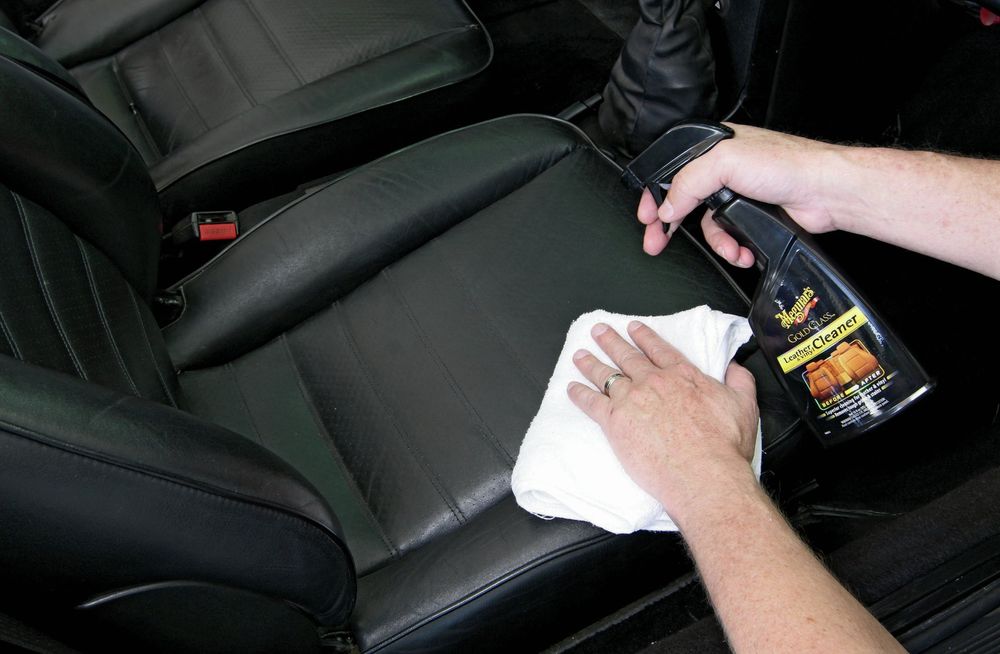
Use a soft cloth or sponge to apply the cleaner evenly. Avoid pouring the cleaner directly on the leather to prevent over-saturation.
Work in small sections so the leather doesn’t dry out before you wipe it off. This ensures the cleaner breaks down dirt and oils effectively without lingering.
Gently Scrubbing Stains And Spots
For stubborn stains, gently scrub with a soft-bristle brush or microfiber cloth. Don’t press too hard—leather can scratch or wear thin if treated roughly.
Sometimes, repeated gentle scrubbing is better than aggressive force. Have you noticed how light pressure often works best in delicate cleaning tasks?
Wiping Off Residue
Once the stains are lifted, wipe off all cleaner residue with a clean, damp cloth. Leftover cleaner can dry into a film that attracts dirt quickly.
Finish by drying the leather with a soft towel. Keeping the leather dry helps maintain its natural texture and prevents mold growth.
Conditioning Leather Seats
Conditioning leather seats is essential to keep your car’s interior looking fresh and feeling comfortable. Over time, leather can dry out, crack, or lose its natural shine. Proper conditioning restores moisture, protects the surface, and extends the life of your seats.
Choosing The Right Conditioner
Not all leather conditioners are the same. Look for products specifically designed for automotive leather as they address the unique needs of car interiors.
Check the ingredients—avoid conditioners with harsh chemicals or petroleum-based oils that can damage the leather. Instead, opt for those containing natural oils or lanolin, which nourish without clogging pores.
Have you ever tested a conditioner on a hidden spot first? This simple step helps ensure it won’t discolor or stiffen your leather unexpectedly.
Application Techniques
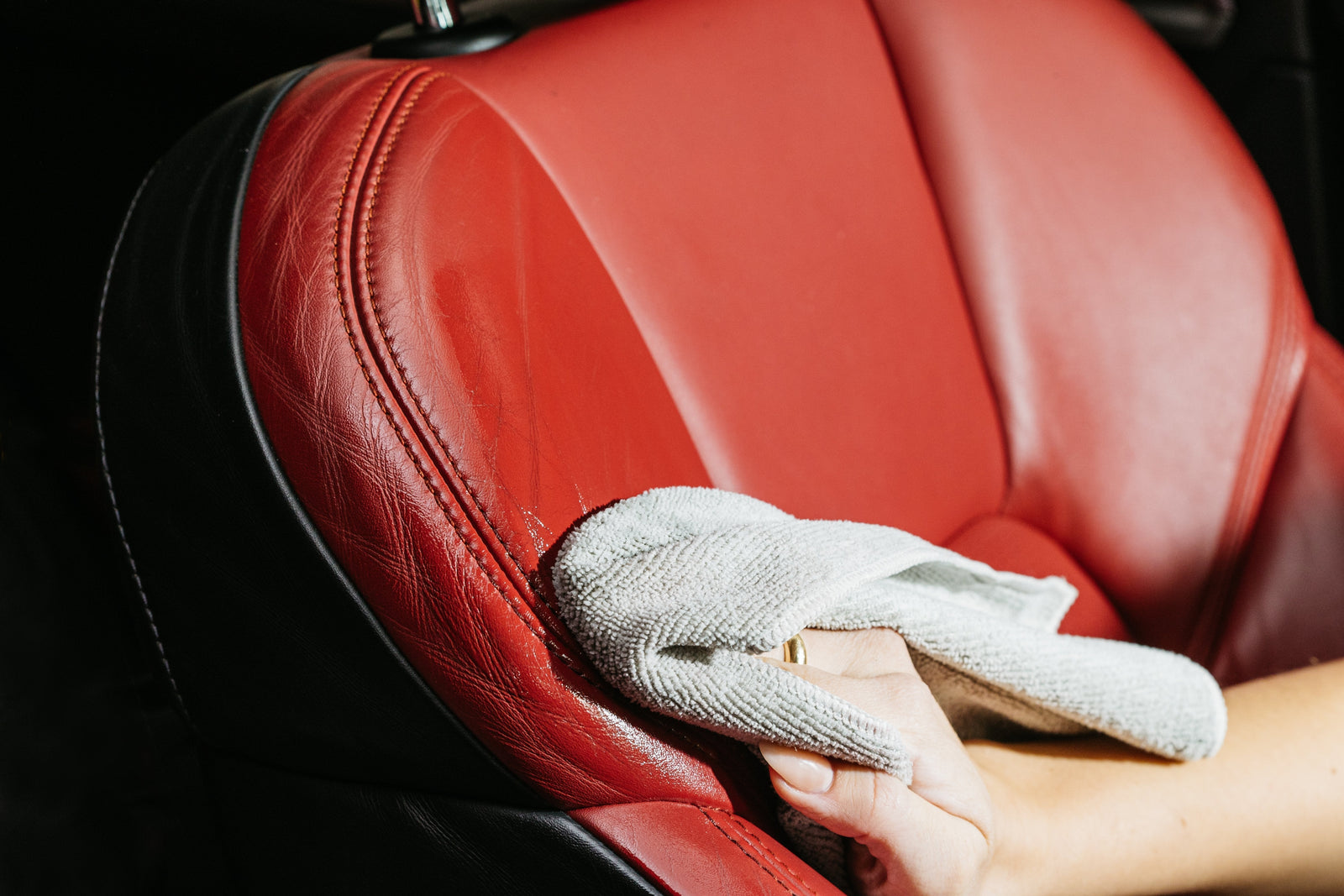
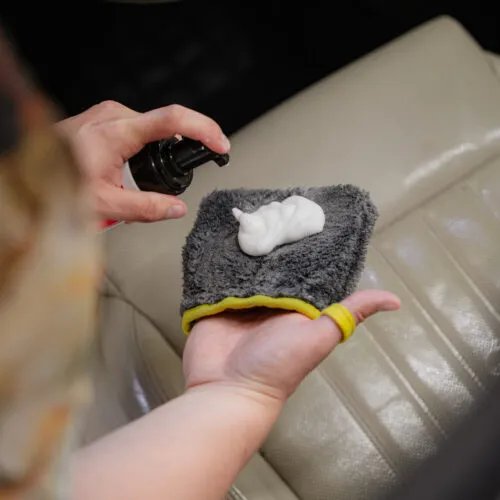
Apply conditioner with a clean, soft cloth or a foam applicator to avoid scratching the leather. Use small amounts and spread it evenly using gentle, circular motions.
Don’t rush—allow the conditioner to soak in for about 10-15 minutes before wiping off any excess. This helps the leather absorb moisture rather than leaving a sticky residue.
Consider working in sections. This approach helps you focus on thorough coverage without missing spots or over-applying in one area.
Frequency Of Conditioning
How often you condition depends on your climate and how much you use your car. In dry or hot environments, conditioning every 2-3 months can prevent cracking.
If your car stays mostly indoors, conditioning every 4-6 months may be enough. Pay attention to how your leather feels—if it starts to feel dry or stiff, it’s time to condition again.
Remember, too much conditioner can make leather overly soft or attract dirt. Finding the right balance keeps your seats looking and feeling their best.
Maintaining Spotless Leather
Clean leather car interiors with a soft cloth and mild soap. Avoid harsh chemicals that can damage the surface. Regular care keeps leather smooth and fresh.
Maintaining spotless leather car interiors enhances the vehicle’s elegance and lifespan. Regular care prevents cracks and discoloration. A clean interior promotes comfort and pride during drives.
Regular Cleaning Schedule
Create a weekly or bi-weekly cleaning routine. Use a soft cloth to wipe the leather. Avoid harsh chemicals that can damage the surface. Opt for products designed for leather maintenance. This keeps dirt and grime from settling.
Protecting From Sun Damage
Direct sunlight can fade leather. Use sunshades or park in shaded areas. Consider applying a UV protector designed for leather. This shields against harmful rays. Also, regular conditioning can maintain leather’s moisture.
Handling Spills Immediately
Spills can stain if not addressed quickly. Blot the spill with a clean, dry cloth immediately. Avoid rubbing, which can spread the spill. After blotting, use a leather cleaner. Follow with a conditioner to keep the leather supple.
Credit: goodstuff.com.pl
Common Mistakes To Avoid
Cleaning leather car interiors might seem straightforward, but certain mistakes can cause more harm than good. Avoiding these pitfalls will keep your leather looking fresh and lasting longer. Let’s dive into some common errors you should steer clear of to protect your investment.
Using Excess Water
Leather hates soaking wet conditions. Using too much water can lead to stains, discoloration, and even cracking over time. Instead, dampen a cloth slightly and wipe gently.
I once tried scrubbing my car seats with a soaked sponge, thinking it would clean better. The result? Water spots that took weeks to fade. Ask yourself—do you really need to drench the leather to get it clean?
Skipping Conditioner
Cleaning alone strips away natural oils in the leather. Skipping the conditioner leaves the material dry and prone to cracking. Always follow up with a quality leather conditioner to restore moisture and keep the surface soft.
Imagine washing your hands with soap but never applying lotion—your skin would feel tight and cracked. Your leather needs the same care. Don’t miss this crucial step after every cleaning session.
Ignoring Manufacturer Guidelines
Every leather type has its own cleaning rules, often provided by the car manufacturer. Ignoring these can void warranties or damage the interior. Check your car’s manual or manufacturer website for recommended products and methods.
One time, I used a generic cleaner on a premium leather seat and ended up with dull patches. That experience taught me to trust the source rather than guess what’s safe. What does your car’s manual say about leather care?
Credit: dondodicarcustoms.com
Frequently Asked Questions
How Often Should I Clean Leather Car Interiors?
Clean leather car interiors every 3 months to maintain appearance. Regular cleaning prevents dirt buildup and preserves leather quality. For heavy use, clean monthly to avoid damage and fading.
What Is The Best Cleaner For Leather Car Seats?
Use a pH-balanced leather cleaner designed for automotive interiors. Avoid harsh chemicals or household cleaners that can damage leather. Always test a small area before full application.
Can I Use Natural Products To Clean Leather Seats?
Yes, mild natural products like diluted vinegar or olive oil work. Use sparingly and test first to prevent discoloration. Avoid excessive moisture to protect leather integrity.
How Do I Condition Leather Car Seats Properly?
Apply a leather conditioner after cleaning to restore moisture. Use a soft cloth to rub evenly in circular motions. Conditioning prevents cracking and keeps leather soft and supple.
Conclusion
Cleaning your leather car interior keeps it looking fresh and new. Use gentle cleaners and soft cloths to avoid damage. Regular care stops cracks and fading. Take time to clean every seat and surface carefully. A clean interior makes driving more pleasant and protects your car’s value.
Keep a routine, and your leather will stay soft and shiny longer. Simple steps make a big difference in leather care. Your car deserves this small effort for lasting beauty.