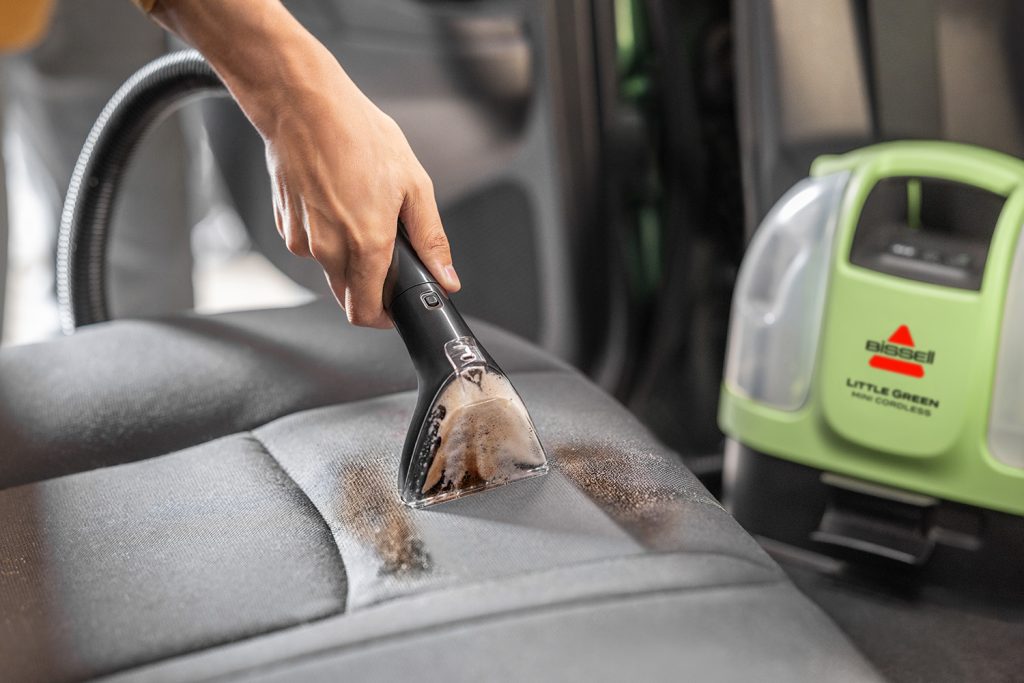
Your car seats see a lot every day—spills, dirt, sweat, and dust all settle into the fabric or leather. Over time, this buildup not only makes your car look worn out but can also cause unpleasant odors and even affect your health.
If you want your car to feel fresh, comfortable, and inviting every time you get in, it’s time to deep clean those seats. In this guide, you’ll discover simple, effective steps to restore your car seats to their best condition.
Keep reading, and you’ll learn how to make your car interior look and feel like new again.
Preparing Your Car Seats
Preparing your car seats before a deep clean sets the foundation for a thorough and effective process. Taking a little extra time to get everything ready ensures you won’t miss spots or damage any part of your vehicle’s interior. It also helps you work more efficiently and get the best results with less effort.
Gathering Necessary Supplies
Start by collecting all the tools and products you’ll need. This usually includes a vacuum cleaner with attachments, microfiber cloths, a soft-bristle brush, upholstery cleaner, and a spray bottle with water.
Having everything within reach saves time and avoids interruptions. If you have leather seats, add a leather conditioner and cleaner to your list. This small preparation step makes your cleaning routine smoother and more organized.
Removing Loose Dirt And Debris
Before applying any cleaners, remove crumbs, dust, and loose dirt from your seats. Use a vacuum with a brush attachment to get into cracks and seams. Don’t rush this part—overlooking it can push dirt deeper into the fabric when you start scrubbing.
Try flipping the floor mats and shaking out any dirt to prevent it from getting back onto the seats. You might be surprised how much debris hides in those small crevices. Have you ever noticed how a simple vacuum can instantly freshen up your car’s feel?
Protecting Surrounding Areas
Deep cleaning can be messy, so protect areas around your seats. Use painter’s tape or plastic covers to shield door panels, electronics, and carpets. This step prevents accidental spills or cleaner overspray from causing damage.
Think about your car’s dashboard and controls—would you want them soaked or stained? Taking a few minutes to cover these spots helps maintain the overall cleanliness and appearance of your car interior.

Credit: www.seatcoversolutions.com
Choosing The Right Cleaning Products
Choosing the right cleaning products is key to deep cleaning your car seats effectively. Using the wrong product can damage the material or leave behind stubborn stains. Understanding what works best for your seat type saves time and protects your investment.
Cleaning Solutions For Fabric Seats
Fabric seats need gentle but effective cleaners that lift dirt without soaking the material. Look for water-based upholstery cleaners with stain-fighting enzymes or mild detergents.
Spray the cleaner lightly and scrub with a soft brush to avoid damaging the fibers. Avoid bleach or harsh chemicals—they can cause discoloration and weaken the fabric.
Have you noticed how some fabric cleaners leave a sticky residue? Choosing a product that rinses clean is just as important as its stain removal power.
Products For Leather Seats
Leather requires special care to keep it soft and prevent cracking. Use pH-balanced leather cleaners designed specifically for automotive interiors.
After cleaning, apply a leather conditioner to restore moisture and maintain flexibility. Skip products with alcohol or ammonia, as they dry out leather quickly.
Ever tried cleaning leather with household soap? It might clean temporarily but will leave the leather stiff and prone to damage over time.
Natural And Homemade Cleaners
If you prefer natural options, simple ingredients like white vinegar, baking soda, and mild soap can work wonders. These are especially useful if you want to avoid chemicals and keep your car interior eco-friendly.
Mix vinegar with water for a fabric seat spray or create a paste with baking soda for tough stains. Test on a small hidden area first to ensure no discoloration occurs.
Would you trust a DIY cleaner over a commercial product? Sometimes, homemade solutions are just as effective and cost much less, making them worth trying.
Step-by-step Deep Cleaning Process
Cleaning your car seats deeply can transform the whole feel of your vehicle. The process involves more than just a quick wipe; it requires attention to detail and the right techniques. Let’s walk through how to get your seats looking fresh and spotless with a clear, practical approach.
Vacuuming Thoroughly
Start by vacuuming your car seats carefully. Use a vacuum with a brush attachment to reach into seams and crevices where dirt and crumbs hide. Don’t rush—pay extra attention to areas that collect the most grime, like under the headrests and between seat cushions.
Have you noticed how much dust settles even when your car looks clean? Vacuuming first removes loose dirt that could turn into stubborn stains later.
Applying Cleaner Properly
Choose a cleaner suitable for your seat material—leather, fabric, or vinyl. Spray or apply the cleaner evenly, focusing on stained or heavily soiled spots. Avoid soaking the fabric; a light, even application works better than drenching the seat.
Think about your last cleaning attempt—did you apply too much product, making the seats sticky? Using the right amount helps the cleaner work effectively without leaving residue.
Scrubbing And Agitating Stains
Use a soft-bristle brush or a microfiber cloth to gently scrub the seats. Work in circular motions to lift dirt from the fibers without damaging the material. For tough stains, spend a bit more time agitating the area but avoid aggressive scrubbing that could wear out your seats.
Have you tried scrubbing lightly and noticed better results? It’s often about technique, not force.
Wiping And Removing Residue
After scrubbing, wipe down the seats with a clean, damp cloth to remove any leftover cleaner and dirt. Repeat wiping if needed until the seat feels clean and smooth. Let the seats air dry completely before sitting to prevent mold or mildew.
How often do you skip this step and end up with sticky or stiff seats? Removing residue is crucial for comfort and seat longevity.

Credit: www.goodhousekeeping.com
Dealing With Tough Stains
Tough stains on car seats can quickly turn a clean interior into a messy one. These stubborn spots demand a targeted approach because generic cleaning often won’t do the trick. Knowing how to handle different types of stains can save you time and preserve your car’s upholstery.
Removing Oil And Grease
Oil and grease are among the most challenging stains to remove because they soak deep into fabric fibers. Start by blotting the area gently with a dry cloth to absorb excess oil—avoid rubbing, as it spreads the stain. Sprinkle baking soda or cornstarch over the spot and let it sit for 15-20 minutes; these powders help absorb the grease.
Afterward, vacuum the powder off and apply a small amount of dish soap mixed with warm water directly to the stain. Use a soft brush to gently scrub the area in circular motions. Rinse with a clean, damp cloth and repeat if necessary—have you noticed how patience pays off with these slow but steady moves?
Handling Ink And Dye Spots
Ink and dye stains require swift action because they tend to set quickly. Dab the stain with a cloth soaked in rubbing alcohol or hand sanitizer to break down the ink’s pigment. Don’t rub hard; press lightly and lift the stain toward the cloth’s fibers.
If the stain persists, mix equal parts of water and white vinegar and apply it carefully. Test on a hidden spot first to avoid color damage. Have you ever found that treating these stains immediately makes all the difference?
Tackling Mold And Mildew
Mold and mildew not only stain but can cause unpleasant odors and health issues. Mix one part white vinegar with three parts water in a spray bottle and generously mist the affected area. Let it sit for at least 10 minutes to kill the spores.
Use a soft brush to scrub away the mold gently, then wipe clean with a damp cloth. Keep the car well-ventilated during and after cleaning to prevent mold from returning. Have you checked your car seats for hidden mold spots after a rainy season?
Drying And Protecting Seats
Drying and protecting car seats is a crucial step after deep cleaning. Proper drying stops mold and bad smells from forming. Protecting seats keeps them looking new and lasts longer. This section covers how to dry seats well and apply protectants. Also, tips to keep seats clean over time.
Effective Drying Techniques
Use a clean towel to soak up extra moisture first. Air drying is best, so open car doors or windows. A fan helps speed up drying by moving air around. Avoid direct sunlight to prevent fading or cracking. A wet vacuum can remove deep moisture from fabric seats. For leather seats, wipe with a dry cloth and let air dry naturally.
Applying Protectants And Conditioners
Choose a protectant made for your seat type—leather or fabric. Leather conditioners keep the material soft and prevent cracks. Fabric protectants create a barrier against stains and spills. Apply evenly with a soft cloth or spray bottle. Let the product dry fully before using the car. Regular application keeps seats safe from wear and dirt.
Maintaining Clean Seats Longer
- Use seat covers to reduce dirt and damage.
- Clean spills quickly to prevent stains.
- Vacuum seats weekly to remove dust and crumbs.
- Avoid eating or drinking inside the car often.
- Park in shaded areas to protect seats from sun damage.
Following these steps helps keep car seats fresh and clean. Proper care extends the life of your seats and improves car comfort.
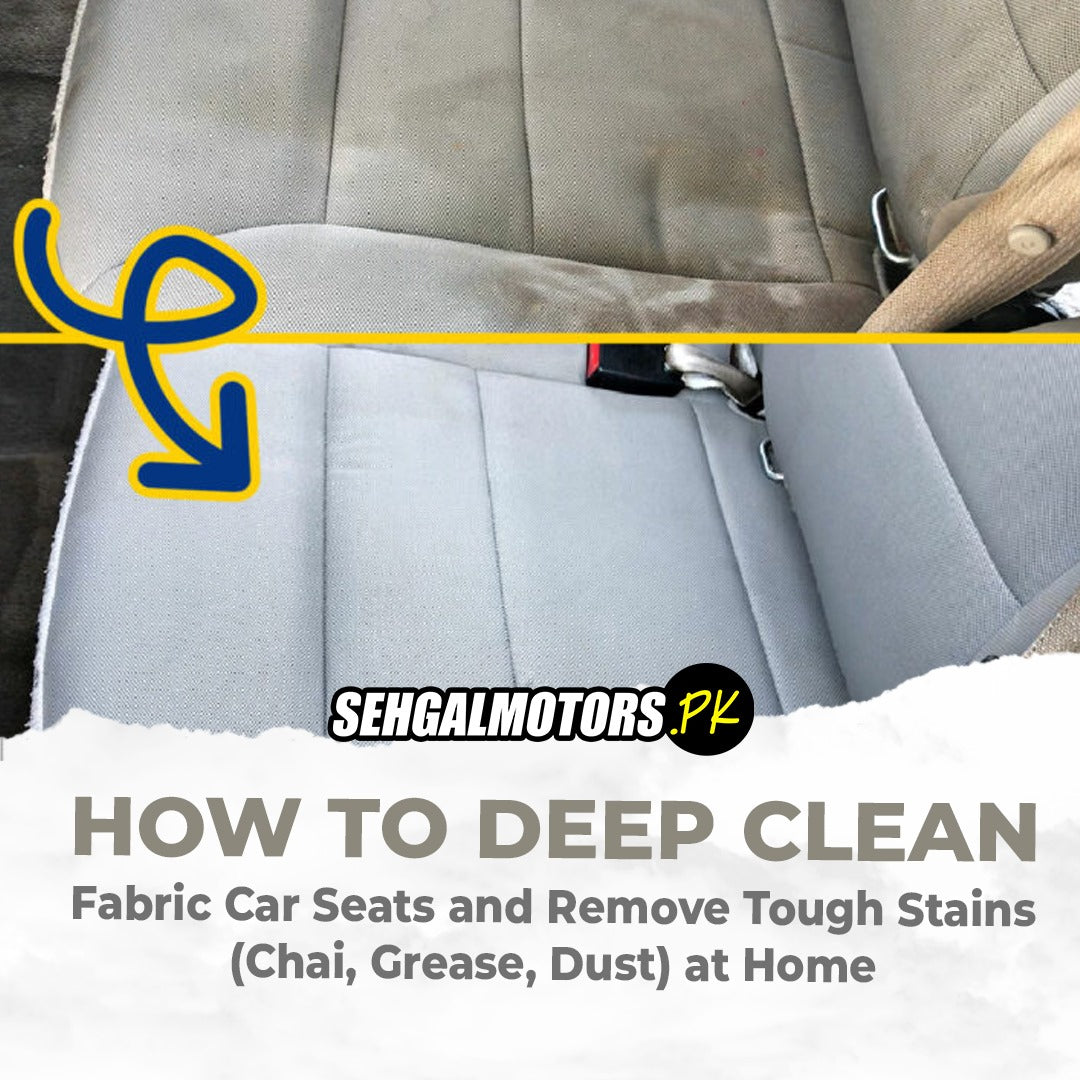
Credit: sehgalmotors.pk
Tools And Equipment For Best Results
Deep cleaning car seats demands the right tools and equipment. Using the proper tools ensures thorough cleaning and preserves the fabric. Below are essential tools you need for the best results.
Vacuum Cleaners And Attachments
A powerful vacuum cleaner is crucial for deep cleaning car seats. Use a vacuum with strong suction to remove dirt and debris effectively. Attachments like crevice tools reach tight spaces between the seats. Upholstery nozzles help clean the fabric surface without damage. Regular vacuuming prevents dirt buildup and maintains cleanliness.
Brushes And Microfiber Cloths
Brushes with soft bristles are gentle on car seat fabrics. Use them to loosen dirt embedded in the fabric. Microfiber cloths are perfect for wiping surfaces without scratching. They are highly absorbent and effective at picking up dust and dirt. Keep multiple cloths handy for different cleaning tasks.
Steam Cleaners And Extractors
Steam cleaners sanitize and lift stains from car seats. They use hot steam to break down dirt and kill bacteria. Extractors remove moisture and dirt from deep within the fabric. Choose a portable model for easy maneuverability inside the car. Together, they deliver a deep clean, leaving seats fresh and hygienic.
Common Mistakes To Avoid
Cleaning your car seats deeply can make a huge difference in how fresh and inviting your vehicle feels. However, certain mistakes can ruin your efforts and even damage your seats. Knowing what to avoid can save you time, money, and frustration.
Using Harsh Chemicals
You might think strong cleaning products will get your seats spotless faster, but harsh chemicals often do more harm than good. They can strip away fabric dyes, cause discoloration, or weaken the seat material. Instead, opt for gentle, fabric-safe cleaners designed specifically for car interiors.
Have you ever noticed a strange smell or stiff texture after cleaning your seats? That’s usually a sign of chemical damage. Your seats deserve products that clean effectively without aggressive ingredients.
Over-saturating Seats
It’s tempting to pour on the cleaner and water to get out tough stains, but soaking your seats can cause lasting problems. Excess moisture seeps deep into cushions and foam, leading to mold growth and unpleasant odors. Plus, drying takes much longer when seats are drenched.
Try using a spray bottle and a microfiber cloth to control how much liquid you apply. Small, repeated passes are better than one heavy soak. Would you rather risk a quick clean or a slow, smelly recovery?
Skipping Drying Steps
Even after cleaning, many skip drying steps, assuming the car’s ventilation will do the job. This leaves seats damp for hours or days, encouraging bacteria and mildew. Drying your seats properly is crucial to prevent these issues.
Open windows, use fans, or park in sunlight to speed up drying. You can also use towels to blot excess moisture immediately after cleaning. How often do you check your seats for dampness after a wash?
Frequently Asked Questions
How Often Should I Deep Clean My Car Seats?
Deep clean car seats every 3 to 6 months for best results. Frequent cleaning prevents stains, odors, and fabric wear. Regular maintenance keeps your car interior fresh and extends seat lifespan.
What Tools Are Needed For Deep Cleaning Car Seats?
You need a vacuum, upholstery cleaner, soft brush, microfiber cloth, and warm water. These tools remove dirt, stains, and grime effectively without damaging the fabric.
Can I Deep Clean Leather Car Seats At Home?
Yes, use a leather cleaner and conditioner for deep cleaning leather seats. Avoid harsh chemicals and excessive water to prevent damage. Regular cleaning maintains softness and appearance.
How Do I Remove Tough Stains From Car Seats?
Apply an upholstery stain remover and gently scrub with a soft brush. Blot excess moisture with a clean cloth. Repeat if necessary for stubborn stains without soaking the fabric.
Conclusion
Deep cleaning car seats keeps your vehicle fresh and inviting. Regular care removes dirt, stains, and odors easily. Use gentle cleaners and soft brushes for best results. Let seats dry completely to avoid mold and smells. Clean seats make every drive more comfortable and safe.
Small efforts today save big problems tomorrow. Keep your car seats looking their best with simple steps. A clean car feels nicer and shows you care. Try these tips and enjoy a cleaner ride.