Have you ever wondered if using an OBD2 scanner could harm your vehicle’s ECU? You’re not alone.
With technology making diagnostics easier, many car enthusiasts and everyday drivers rely on these handy tools to keep their vehicles in top shape. Yet, the fear of causing damage still lingers. You might be asking yourself, “Am I risking more harm than good?
” It’s a valid concern and worth exploring. You’ll discover the truth behind using OBD2 scanners and whether they pose any risk to your vehicle’s essential systems. By understanding the ins and outs of this technology, you can make informed decisions, ensuring both your peace of mind and the longevity of your car. Keep reading to unveil the facts that could save you from costly repairs and unnecessary stress.
Understanding Obd2 Scanners
Using an OBD2 scanner is generally safe and won’t harm the ECU. Proper usage ensures reliable diagnostics. Incorrect handling or misuse could potentially cause issues, but it’s rare.
Understanding OBD2 Scanners If you’ve ever had your car’s check engine light turn on, you’ve likely encountered an OBD2 scanner. These handy devices have become an essential tool for both professional mechanics and car enthusiasts. But how much do you really know about them? Let’s dive into the world of OBD2 scanners and discover their true potential.
Functionality And Purpose
OBD2 scanners are designed to communicate with your car’s onboard computer system. They read diagnostic trouble codes (DTCs) that are generated when something goes wrong with your vehicle. Using an OBD2 scanner, you can identify the source of the problem without spending hours troubleshooting. This saves you time and money, helping you decide whether a professional repair is necessary.
Types Of Obd2 Scanners
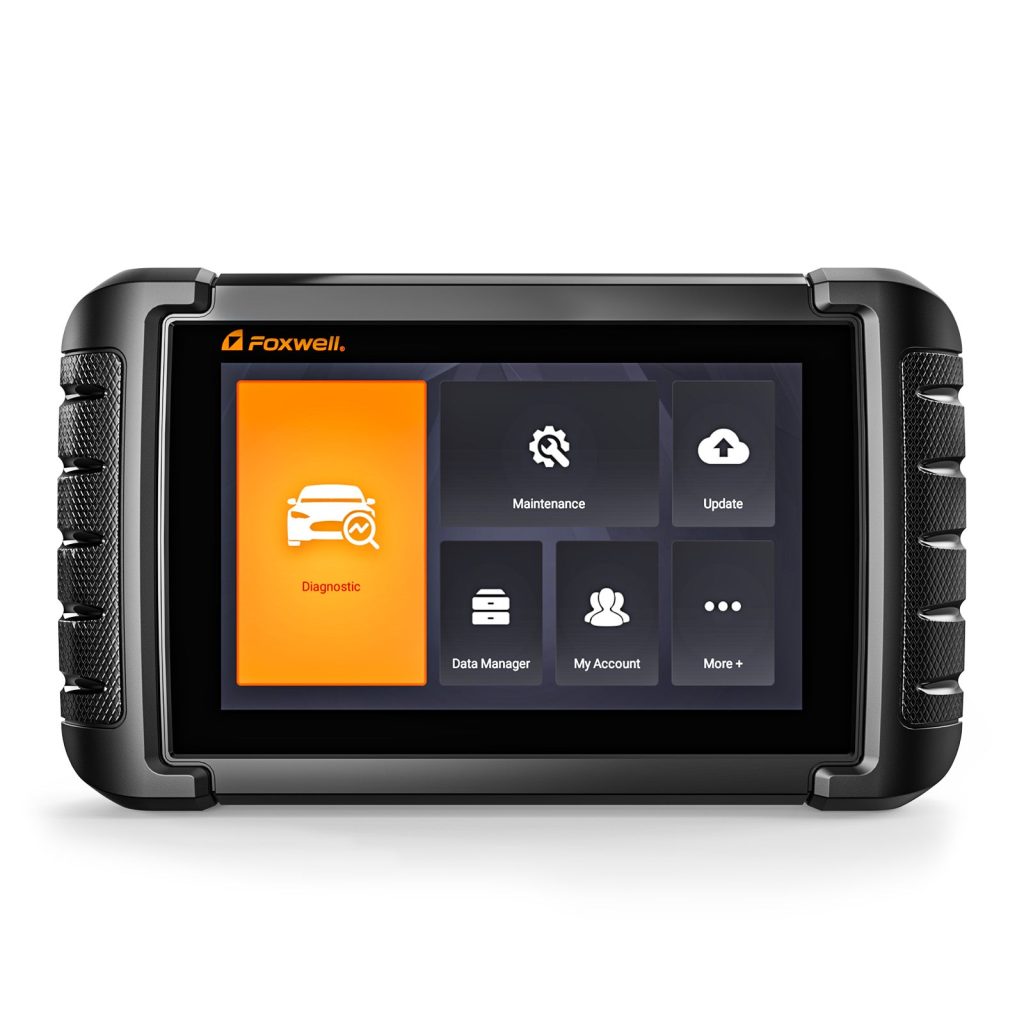
There are several types of OBD2 scanners, each with unique features. Basic code readers are affordable and easy to use, perfect for simple diagnostics. They display trouble codes but may not provide detailed information. More advanced scan tools offer extensive data, including real-time engine performance stats. They often come with additional features like graphing capabilities and enhanced diagnostics for specific car brands. Bluetooth-enabled OBD2 scanners connect to your smartphone, allowing you to use apps for in-depth analysis. These are great for tech-savvy users who want to leverage the power of their mobile devices. Do you prefer a tool that gives you just the basics, or are you someone who wants to dig deep into engine data? Understanding the different types of OBD2 scanners can help you choose the right one for your needs.

Credit: www.foxwelldiag.com
Ecu Basics
The Engine Control Unit, or ECU, is the brain of your vehicle, responsible for managing various functions to ensure optimal performance. Understanding its intricacies can help you appreciate how crucial it is to your car’s operation.
Role In Vehicle Operations
The ECU oversees key aspects like fuel injection, ignition timing, and emission controls. It’s like having a smart assistant that tunes your car for efficiency and power, adapting to different driving conditions.
Imagine driving uphill; the ECU adjusts the engine’s performance to maintain power without wasting fuel. This dynamic adjustment helps your vehicle run smoothly, enhancing your driving experience.
Common Issues And Vulnerabilities
Despite its sophistication, the ECU can face issues due to external factors. Incorrect sensor readings or software glitches can lead to performance hiccups or even stalling.
Another vulnerability is electrical interference. Poor wiring or faulty components can disrupt its operations, causing annoying check engine lights or erratic behavior.
Have you ever wondered if your OBD2 scanner could harm your ECU? While it’s rare, improper use or faulty devices might pose risks. Ensuring your scanner is compatible and in good condition can mitigate these concerns.
Understanding these vulnerabilities prompts a question: How proactive are you in maintaining your vehicle’s ECU? Regular checkups and cautious use of diagnostic tools can safeguard your car’s brain.
Potential Risks Of Obd2 Scanners
The use of OBD2 scanners has become common among car owners. These devices offer easy access to vehicle data, helping diagnose issues quickly. But, there are potential risks associated with their use. One concern is the impact they might have on a vehicle’s ECU. This section explores the possible risks these scanners pose to your car’s computer system.
Impact On Ecu Performance
OBD2 scanners connect directly to the vehicle’s ECU. This connection allows the scanner to read and sometimes modify data. Improper use or faulty scanners can disrupt ECU operations. This disruption may affect how the engine performs. It could lead to misreading vital information or altering settings. Such changes might cause the engine to run inefficiently.
Another risk involves using outdated or incompatible scanners. These can send incorrect signals to the ECU. This misinformation can result in the ECU making poor adjustments. The vehicle might experience reduced fuel efficiency or increased emissions. Long-term exposure to incorrect data can damage the ECU’s ability to function properly.
Signs Of Ecu Damage
Recognizing signs of ECU damage is crucial for maintaining vehicle health. One key indicator is a persistent check engine light. This light can mean the ECU is receiving faulty signals. Another sign is erratic engine behavior. This includes stalling, misfiring, or unusual noises. Such symptoms can suggest the ECU is struggling to manage engine operations.
Increased fuel consumption is another warning. If the ECU fails to control fuel injection properly, it affects mileage. Poor acceleration might also occur if the ECU cannot adjust to driving conditions. If any of these signs appear, it might be time to inspect the ECU.
Safety Measures
Using an OBD2 scanner can be a great tool for car owners. But safety is crucial to avoid damage to the ECU. Follow these guidelines to ensure safe usage and maintain your vehicle’s health.
Best Practices For Use
Always start with the car turned off. This reduces the risk of electrical issues. Connect the scanner securely to the OBD2 port. Ensure a snug fit to prevent data interruption.
Power on the scanner before starting the car. This sequence protects the ECU from power surges. Avoid using the scanner during extreme weather. Moisture or heat can affect its performance.
- Turn off all car electronics before connecting.
- Check for software updates regularly.
- Read the scanner’s manual for specific instructions.
Choosing The Right Scanner
Select a scanner that matches your car’s make and model. Not all scanners are universal. A compatible scanner ensures accurate diagnostics.
Look for scanners with good reviews. User feedback provides insights into performance and reliability. Choose one with a user-friendly interface. Easier navigation reduces the chance of errors.
Consider the scanner’s features. Basic models may lack advanced functions. Evaluate your needs before purchasing.
- Check compatibility with your car model.
- Read user reviews for honest feedback.
- Ensure the scanner offers necessary features.
Expert Opinions
Understanding the potential risks of using an OBD2 scanner on the ECU is crucial. Many car enthusiasts and professionals have shared their thoughts. Expert opinions vary widely on this topic. Some believe in the scanner’s safety. Others express caution.
Insights From Automotive Technicians
Automotive technicians often encounter OBD2 scanners in their daily work. Many agree that using reputable scanners poses minimal risk. They emphasize the importance of quality tools. Cheap or counterfeit scanners might harm the ECU. Technicians recommend choosing trusted brands. Regular software updates are also vital. Keeping the scanner’s firmware current can prevent issues.
Case Studies And Examples
Several case studies illustrate the effects of OBD2 scanners on ECUs. A well-known incident involved a low-cost scanner. It led to ECU errors in a customer’s car. The repair shop traced the problem back to the scanner. Another example showed a high-quality scanner updating an ECU without issues. These cases highlight the importance of tool selection.

Credit: www.foxwelldiag.com
Future Of Vehicle Diagnostics
Exploring the future of vehicle diagnostics raises questions about OBD2 scanners and ECU damage. These scanners are generally safe but misuse or faulty devices can pose risks to the ECU. Understanding proper usage is essential to avoid potential issues.
The future of vehicle diagnostics is evolving rapidly. With technology advancing, car owners can expect more reliable and efficient ways to check their vehicles. This change is mainly driven by developments in OBD2 scanners and ECU systems. These tools are becoming more sophisticated, ensuring better safety and performance for modern cars.
Advancements In Scanner Technology
OBD2 scanners have become more advanced over the years. They now offer features that were once only available to professionals. Modern scanners can read and clear codes faster and provide detailed reports. They can even connect to smartphones and tablets, making diagnostics accessible to more users. This ease of use helps car owners understand their vehicle’s health better.
Improving Ecu Safety
The ECU, or Engine Control Unit, is crucial for a car’s operation. Modern ECUs are designed to handle complex data efficiently. As technology progresses, the ECU’s safety features improve significantly. Advanced systems now offer better protection against potential damage from diagnostics tools. Enhanced protocols and secure connections ensure that interactions between scanners and ECUs are safe. This reduces the risk of accidental damage during diagnostics, ensuring your vehicle remains in top condition.

Credit: www.ancel.com
Frequently Asked Questions
Can An Obd Scanner Damage An Ecu?
An OBD scanner generally won’t damage an ECU if used correctly. Ensure the scanner is compatible with your vehicle. Incorrect usage or faulty scanners might pose risks, so always follow instructions. Use quality scanners from reputable brands to minimize any potential harm to the ECU.
Can An Obd Scanner Reset An Ecu?
An OBD scanner can reset an ECU by clearing error codes. It restores default settings temporarily. For a full reset, professional tools or services are needed. Always consult your vehicle’s manual or a professional for guidance. This ensures optimal performance and prevents potential issues.
Can An Obd2 Scanner Damage An Ecu On Reddit?
An OBD2 scanner is unlikely to damage an ECU if used correctly. Ensure compatibility and follow instructions. Poor quality or incompatible scanners might cause issues, but reputable ones are generally safe. Always double-check your scanner’s specifications and compatibility with your vehicle to prevent potential problems.
What Are The Risks Of Obd2?
OBD2 risks include potential data privacy issues and unauthorized access to vehicle systems. Hackers might exploit vulnerabilities, leading to security breaches. Incorrect diagnostics can also cause costly repairs. Always use trusted devices and apps to minimize risks.
Conclusion
Using an OBD2 scanner is generally safe for your ECU. Most scanners only read data and don’t alter settings. Issues arise with faulty or incompatible devices. Choose a reputable brand to minimize risks. Read the user manual carefully before use.
Also, ensure the vehicle’s ignition is off when connecting. This simple step can prevent accidental damage. Regular checks help maintain vehicle health. Stay informed and use tools responsibly. This way, you ensure your car runs smoothly without worry. Always prioritize safety and proper usage to protect your vehicle’s systems.