Have you ever wondered what those mysterious warning lights on your car’s dashboard really mean? You’re not alone.
Many drivers face this puzzling issue, but there’s a simple tool that can help you decode these signals: an OBD2 scanner. This handy device can reveal what’s happening under the hood, potentially saving you time and money on repairs. Imagine feeling empowered every time you encounter a dashboard light, knowing you can diagnose the problem yourself.
In this guide, you’ll learn how to use an OBD2 scanner with ease, ensuring you’re equipped to handle car issues with confidence. Ready to become the master of your vehicle’s health? Keep reading to unlock the secrets of your car’s inner workings.
Credit: www.triumphbobberforum.com
What Is An Obd2 Scanner?
Understanding the basics of an OBD2 scanner is crucial for anyone looking to maintain their vehicle’s health. These handy devices are the bridge between your car’s intricate systems and you. By decoding complex codes into actionable insights, they empower you to take charge of your vehicle’s maintenance needs.
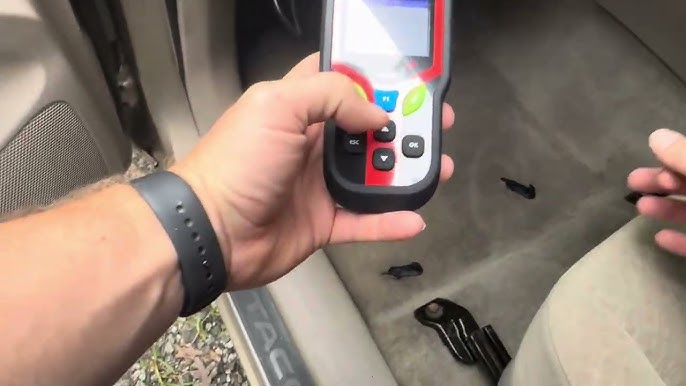
An OBD2 (On-Board Diagnostics II) scanner is a tool used to read and clear error codes from your car’s computer. It connects to the OBD2 port, usually located under the dashboard. This scanner helps you diagnose issues without needing a mechanic right away.
Imagine you’re driving and suddenly, the check engine light pops up. Instead of panicking or rushing to the garage, you can use an OBD2 scanner to find out what’s wrong. It could be something as simple as a loose gas cap or a more serious engine issue.
How Does An Obd2 Scanner Work?
The OBD2 scanner reads data from your car’s Engine Control Unit (ECU). This data is presented in the form of Diagnostic Trouble Codes (DTCs). These codes pinpoint specific problems, making it easier for you to understand what’s going on under the hood.
Once the scanner retrieves these codes, it displays them on its screen. You can then look up these codes in the scanner’s manual or online to understand their meaning. This process saves time and helps you make informed decisions about necessary repairs.
- Basic Code Readers:These are affordable and user-friendly. They provide basic error codes and allow you to clear them.
- Professional Scan Tools:Used by mechanics, these provide detailed data and can perform advanced functions like emission testing.
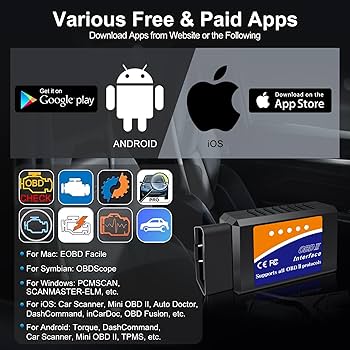
- Bluetooth/Wi-Fi Scanners:These connect to your smartphone, offering portability and access to a wide range of apps for deeper insights.
Each type serves different needs, so consider what suits you best. If you’re a DIY enthusiast, a basic code reader might suffice. But if you’re looking to dig deeper into your vehicle’s diagnostics, a Bluetooth scanner could be a great investment.
Why Should You Use An Obd2 Scanner?
Using an OBD2 scanner empowers you to take proactive steps in maintaining your vehicle. It helps you catch minor issues before they escalate into major problems, potentially saving you time and money.
By understanding the error codes yourself, you can avoid unnecessary repairs. This knowledge puts you in control, ensuring you’re not blindsided by unexpected repair costs.
Are you ready to take the wheel of your vehicle’s health? An OBD2 scanner might be the co-pilot you need for a smoother, stress-free ride.

Credit: www.foxwelldiag.com
Benefits Of Using An Obd2 Scanner
Using an OBD2 scanner offers many benefits for car owners. These devices help you understand your vehicle’s health. They are easy to use and provide valuable insights.
Cost Savings On Repairs
An OBD2 scanner can save you money on car repairs. It identifies issues before they become major problems. You can address minor fixes yourself, reducing mechanic visits. This tool helps you understand error codes, avoiding unnecessary repair costs. Diagnosing problems early prevents costly breakdowns.
Improved Vehicle Performance
Keeping your car in top shape is easier with an OBD2 scanner. It monitors engine performance and efficiency. You can detect issues that affect fuel economy. Regular checks ensure your vehicle runs smoothly. Maintaining optimal performance leads to a better driving experience.
Enhanced Safety Features
Safety is crucial when driving. An OBD2 scanner alerts you to potential safety issues. It can detect problems with airbags and brakes. Early detection allows you to fix these issues promptly. This tool helps ensure your car is safe for you and your passengers.
Types Of Obd2 Scanners
Understanding OBD2 scanners can simplify vehicle diagnostics. These tools range from basic code readers to advanced Bluetooth models. Each type offers different features, helping users identify and resolve car issues quickly and efficiently.
Understanding the different types of OBD2 scanners can make a significant difference in diagnosing and solving car issues. Whether you’re a car enthusiast or a professional mechanic, having the right tool can save you time and money. Let’s explore the various types of OBD2 scanners and their unique benefits.
Basic Code Readers
Basic code readers are the most straightforward type of OBD2 scanners. They offer essential functions like reading and clearing diagnostic trouble codes (DTCs). These are perfect for car owners who want to understand why the check engine light is on. Imagine you’re on a road trip, and suddenly, the check engine light flashes. A basic code reader can be your savior, giving you a quick idea of the problem. These tools are usually user-friendly, with simple interfaces that anyone can navigate.
Diy Scanners
DIY scanners are a step up from basic code readers, offering more features for the avid DIYer. They often provide real-time data and allow you to monitor various vehicle parameters. Consider these as a bridge between basic and professional tools. They offer functionality that can help you perform more detailed diagnostics without needing a mechanic. If you love tinkering with your car, a DIY scanner can empower you to understand your vehicle better. It’s like having a mini workshop in your glove compartment.
Professional Diagnostic Tools
Professional diagnostic tools are the top-tier choice for those who need comprehensive diagnostics. They provide advanced features like live data streaming, ECU programming, and bidirectional control. These are ideal for professional mechanics or serious car enthusiasts who need in-depth analysis. They can diagnose complex issues that basic code readers and DIY scanners might miss. Investing in a professional tool can be costly but is justified if you frequently work on cars. They offer the most detailed information, allowing for precise troubleshooting. Which type of OBD2 scanner fits your needs? Whether you’re a DIY enthusiast or a professional mechanic, having the right tool can make all the difference in your car maintenance journey.
How To Connect An Obd2 Scanner
Plug the OBD2 scanner into the car’s port, usually located under the dashboard. Turn on the ignition without starting the engine. Follow the scanner’s instructions to diagnose vehicle issues.
Connecting an OBD2 scanner to your vehicle is a simple process. This tool helps you read trouble codes and monitor vehicle performance. Follow these steps to connect your scanner correctly and efficiently.
Locating The Obd2 Port
The OBD2 port is usually under the dashboard. Check near the driver’s seat. It might be behind a small cover or panel. Most cars have it within easy reach. If you can’t find it, consult your vehicle’s manual. Some cars may have the port in unique locations.
Connecting The Device
Once you find the port, grab your OBD2 scanner. Insert the scanner’s plug into the port. Ensure it fits snugly. You should hear a click or feel it lock in place. The connection should be firm, not loose. This ensures proper data transmission between your car and the scanner.
Ensuring Proper Power Supply
Turn your vehicle’s ignition to the “On” position. Do not start the engine. The scanner needs power to operate. Some scanners have a power button. Press it if needed. A screen will light up, showing it’s ready to use. If the scanner doesn’t power on, check the connection. Ensure the port and scanner are securely connected.
Interpreting Diagnostic Codes
Interpreting diagnostic codes with an OBD2 scanner helps identify vehicle issues quickly. Connect the scanner to your car’s port. Read the codes on the scanner’s display to understand potential problems.
Interpreting diagnostic codes from an OBD2 scanner is crucial. It helps you understand what your vehicle is trying to tell you. These codes pinpoint specific issues within your car’s system. Knowing how to interpret them can save time and money on repairs.
Understanding Common Codes
Diagnostic codes come in various categories. P-codes relate to powertrain issues like engine and transmission. B-codes cover body problems such as airbags and seat belts. C-codes involve chassis components like brakes. U-codes signal network and communication errors. Familiarize yourself with these categories. Each code has a unique number. This number indicates the specific problem area. For instance, P0300 signifies a random misfire in the engine. Recognizing common codes makes troubleshooting easier.
Clearing Error Codes
After fixing the issue, clear the error codes. This resets the system and verifies repairs. Most OBD2 scanners have a simple option to clear codes. Press the clear button, and the scanner communicates with the vehicle’s computer. This step ensures that old codes don’t confuse future diagnostics. Drive the vehicle after clearing. If the error code reappears, it might need further investigation. Clearing codes helps maintain an accurate record of car health.
Using Online Resources For Code Analysis
Online resources offer detailed explanations of diagnostic codes. Websites and forums provide insights from other car owners and experts. Some sites allow you to enter the code number for a detailed analysis. These resources include common fixes and troubleshooting steps. Online communities also share experiences. They offer practical advice for resolving specific problems. Accessing these resources can enhance your understanding of car diagnostics. It empowers you to make informed decisions about repairs.
Credit: www.amazon.com
Troubleshooting With An Obd2 Scanner
Using an OBD2 scanner helps identify car problems quickly. Plug it into the vehicle’s diagnostic port. Turn on the ignition and follow the scanner’s instructions to read error codes.
Troubleshooting with an OBD2 Scanner can seem daunting at first, but with a little guidance, you can transform your approach to vehicle maintenance. This handy device reads your car’s onboard diagnostics and translates them into actionable information. By learning to use an OBD2 scanner, you gain insight into your vehicle’s health, potentially saving time and money on repairs. Let’s explore how this tool helps identify engine issues, diagnose electrical problems, and monitor system performance effectively.
Identifying Engine Issues
Understanding engine problems doesn’t require a mechanic’s touch when you have an OBD2 scanner. This tool allows you to pinpoint issues by reading error codes directly from your car’s computer. With each code corresponding to a specific problem, you’ll know exactly what’s wrong. Imagine discovering a misfire or a faulty sensor without opening the hood—it’s the scanner working its magic. Ever had your engine light come on? Instead of panicking, plug in your scanner and see what it says. You might find it’s something simple, like a loose gas cap.
Diagnosing Electrical Problems
Electrical issues can be tricky, but an OBD2 scanner simplifies the process. It checks various systems, from the battery to the alternator, ensuring everything works as it should. If your car is having trouble starting or the headlights flicker, your scanner might reveal an issue with the electrical system. It’s like having an electrician for your car at your fingertips. Imagine the convenience of detecting a faulty battery connection before it leaves you stranded. With an OBD2 scanner, you’re prepared for such surprises.
Monitoring System Performance
Keeping an eye on your car’s performance is crucial for long-term reliability. An OBD2 scanner helps you track metrics like fuel efficiency and emissions, ensuring your car runs smoothly. Regular checks can alert you to declining performance, prompting timely maintenance. It’s like getting a health check-up for your vehicle. Consider how often you wish you could measure your car’s fuel efficiency accurately. With a scanner, you can monitor and adjust driving habits to save on fuel costs. Is your car’s performance what you expect? An OBD2 scanner gives you the insights to ensure everything’s in top shape.
Advanced Features Of Obd2 Scanners
The modern OBD2 scanner offers more than basic diagnostics. It gives users advanced features that enhance vehicle maintenance and customization. These features help in understanding your vehicle better and maintaining it effectively.
Live Data Streaming
Live data streaming lets you see real-time information from your vehicle. You can monitor engine performance, speed, and fuel efficiency. This feature helps in identifying issues as they occur. By viewing live data, you can make informed decisions about repairs.
Emission Testing
Emission testing is crucial for environmental compliance. OBD2 scanners can perform these tests easily. They check if your car meets emission standards. This ensures your vehicle is eco-friendly and legal on the road. It also helps in avoiding fines related to emission failures.
Customizing Vehicle Settings
Some OBD2 scanners allow customization of vehicle settings. You can adjust settings for better performance and comfort. Changes can include engine tuning, alert preferences, and more. This feature provides a personalized driving experience.
Choosing The Right Obd2 Scanner
Choosing the right OBD2 scanner is crucial for efficient car diagnostics. Not all scanners are created equal, and selecting one that meets your needs can save time and money. Consider factors such as ease of use, compatibility, and functionality. Make sure the scanner is suitable for your vehicle model and offers the features you require. Prioritize key aspects before making a purchase decision.
Assessing Your Needs
Determine the specific needs for your OBD2 scanner. Are you a professional mechanic or a casual user? Professionals might require advanced features like live data streaming. Casual users may only need basic diagnostic tools. Choose a scanner that fits your skill level and purpose. Ensure it supports the diagnostic codes for your vehicle.
Budget Considerations
Consider your budget when selecting an OBD2 scanner. Prices vary widely based on features and brand. High-end models offer comprehensive diagnostics but are costly. Mid-range scanners provide good functionality at a reasonable price. Budget-friendly options are available for simple tasks. Decide your budget and choose accordingly.
Key Features To Look For
Identify key features essential for your scanner. Compatibility with your vehicle is crucial. Look for scanners that read various diagnostic codes. Features like Bluetooth connectivity can enhance usability. Ensure the scanner offers clear, easy-to-read displays. User-friendly interfaces are important for beginners. Prioritize models with reliable customer support.
Common Mistakes To Avoid
Misinterpretation of error codes can lead to incorrect repairs. Many users neglect checking compatibility with vehicle models. Ignoring proper connection steps may cause inaccurate readings.
When using an OBD2 scanner, it’s easy to make mistakes that can lead to inaccurate results or even damage to your vehicle. Understanding these errors can save you time and money, ensuring that you get the most from your tool. Here are some common mistakes to avoid when using your OBD2 scanner.
Misreading Codes
Misinterpreting the codes is a frequent error. Each code corresponds to a specific issue, and misunderstanding them can lead to incorrect fixes. Always cross-reference the codes with a reliable source or the vehicle’s manual. Relying on generic code definitions may mislead you. Manufacturers often have specific meanings for certain codes. If you’re unsure, consult an expert or use an online database for clarity.
Ignoring Warning Signs
When your vehicle’s dashboard lights up, it’s crucial to take it seriously. Ignoring these warnings can exacerbate issues, leading to costly repairs. An OBD2 scanner helps identify problems early on, preventing further damage. Don’t assume that clearing the code resolves the issue. While the light may turn off, the underlying problem might still persist. Use the scanner to diagnose and address the root cause.
Overlooking Scanner Updates
Keeping your OBD2 scanner updated is essential for accurate diagnostics. New vehicle models and updates mean that your scanner needs the latest software to function correctly. Check for updates regularly to ensure compatibility with your vehicle. Outdated scanners may miss new codes or provide incorrect information. This can lead to ineffective repairs or maintenance. Make it a habit to update your scanner to keep it reliable and efficient. Avoiding these common mistakes not only improves the accuracy of your diagnostics but also extends the life of your vehicle. Have you encountered any of these pitfalls before? How did you handle them?
Frequently Asked Questions
How Do You Use An Obd Scanner Step By Step?
Plug the OBD scanner into the vehicle’s diagnostic port. Turn on the ignition. Follow the scanner’s prompts to retrieve codes. Interpret the codes using the scanner or a manual. Reset codes if needed. Ensure the vehicle is off before disconnecting the scanner.
Can I Use An Obd2 Scanner While My Car Is Running?
Yes, you can use an OBD2 scanner while your car is running. It helps diagnose real-time engine data and issues. Ensure the vehicle is safely parked to avoid distractions. Always follow the scanner’s instructions for accurate results.
How Do I Read My Obd Scan Tool?
Connect your OBD scan tool to the vehicle’s OBD port. Turn on the ignition. Follow the tool’s prompts to read codes. Interpret codes using the tool’s manual or online databases. Clear codes if needed. Regularly check for updates to ensure accurate readings.
How To Use Obd2 Scanner To Erase Codes?
Plug the OBD2 scanner into your car’s diagnostic port. Turn on the ignition without starting the engine. Access the scanner menu and select “Erase Codes. ” Confirm deletion of codes. Disconnect the scanner after erasing codes. Ensure the issue is fixed before clearing codes.
Conclusion
Using an OBD2 scanner is simple and valuable. It helps identify car issues quickly. Regular use can prevent major problems. Plug it in, and read the codes. Then, address the issues promptly. This tool saves time and money. Understanding your car better leads to safer driving.
Anyone can learn to use an OBD2 scanner. It’s a handy device for every car owner. Keep your car running smoothly. Stay informed about its health. Happy driving!