Ever wondered why your car’s performance seems off lately? It might be time to check your air filter.
The air filter is a vital part of your car’s engine. It ensures that clean air reaches the engine, allowing it to run smoothly. But how often should you change it? Ignoring this small but crucial component can lead to bigger problems down the line.
We’ll reveal the secret to keeping your car running at its best by knowing exactly when to change that air filter. You’ll discover how a simple change can boost your car’s efficiency, save money, and keep you safe on the road. Stay tuned and find out how often you should change your car’s air filter to maintain peak performance!

Credit: www.youtube.com
Importance Of Car Air Filter
The car air filter is often overlooked, yet it plays a vital role in ensuring your vehicle runs smoothly. It might be tempting to ignore this small component, but doing so can lead to significant issues. Understanding its importance can save you from costly repairs and improve your driving experience.
Role In Engine Performance
Think of your car’s engine as its heart, pumping life through the vehicle. The air filter acts like a lung, ensuring clean air reaches the engine. When the filter is clean, the engine breathes effortlessly, enhancing performance. A clogged filter, however, suffocates the engine, causing it to work harder and potentially lose power.
Impact On Fuel Efficiency
Are you spending more on gas lately? A dirty air filter might be to blame. It restricts airflow, forcing your engine to burn more fuel to compensate. Regularly changing your air filter can lead to noticeable improvements in fuel efficiency. Imagine driving further on less gas — a win for your wallet and the environment.
Protecting The Engine
Dust, dirt, and debris are enemies of your engine. The air filter is its first line of defense. By trapping harmful particles, it prevents them from entering the engine and causing wear. Neglecting the filter could lead to engine damage over time. Wouldn’t you want to ensure your engine is protected for the long haul?
Incorporate air filter checks into your routine maintenance. It’s a small step that makes a big difference. When was the last time you checked yours? Maybe it’s time to take a peek under the hood. Your car will thank you.
Signs Of A Dirty Air Filter
A clean air filter is crucial for your car’s performance. It ensures your engine breathes freely, aiding efficiency. But over time, it gathers dirt and debris, needing attention. Recognizing the signs of a dirty air filter can prevent bigger issues.
Reduced Acceleration
If your car feels sluggish, the air filter might be clogged. A dirty filter limits airflow to the engine. This affects its ability to accelerate smoothly. You may notice a delay in response when pressing the gas pedal.
Unusual Engine Sounds
Listen for strange noises from the engine. A dirty air filter can cause sputtering or coughing sounds. The restricted airflow disrupts the engine’s combustion process. These sounds indicate your engine isn’t running optimally.
Decreased Fuel Economy
Watch for changes in fuel consumption. A clogged air filter can reduce fuel efficiency. Your engine works harder, burning more fuel for the same performance. This can lead to more frequent trips to the gas station.
Factors Influencing Replacement Frequency
Driving conditions, type of air filter, and car model affect how often to change a car air filter. Dusty roads and heavy traffic require more frequent replacements. Regular checks help maintain engine efficiency and prolong its life.
Changing your car’s air filter might seem like a simple task, but it’s crucial for maintaining your vehicle’s health. How often you should replace it depends on several factors. Understanding these can help you keep your car running smoothly and efficiently. Let’s dive into the key elements that influence when you should swap out your air filter.
Driving Conditions
Where and how you drive plays a major role in air filter replacement frequency. If you often drive in dusty or sandy areas, your filter will clog faster. Think about those long road trips down dusty highways. Your engine works harder to breathe, needing a clean filter more often. City driving has its own challenges. Pollution and traffic jams mean your filter might need changing sooner than you think. Consider the last time you were stuck in traffic, surrounded by exhaust fumes. It might be time to check your air filter.
Type Of Vehicle
Different vehicles have different needs. A sports car, designed for speed and performance, might require more frequent air filter changes than a family sedan. SUVs and trucks, often used for heavy-duty tasks, can accumulate dirt quickly. Imagine driving your off-road vehicle through muddy trails. The filter works overtime to keep your engine clean. Knowing your vehicle type helps determine when to replace the filter.
Manufacturer Recommendations
Your car’s manufacturer provides guidelines for maintenance, including air filter changes. These recommendations are tailored to your vehicle’s design and performance standards. Check your owner’s manual for the suggested schedule. It’s a good starting point, but remember, real-world conditions might necessitate more frequent changes. Have you ever compared your car’s manual advice with your actual driving habits? By paying attention to these factors, you ensure your car runs efficiently and prolong its lifespan. Keep an eye on your driving conditions, vehicle type, and manufacturer advice. Your car—and wallet—will thank you.
Typical Air Filter Lifespan
Understanding the typical lifespan of a car air filter is essential for maintaining your vehicle’s performance. Car air filters play a crucial role in keeping the engine clean and ensuring optimal airflow. Regularly changing your air filter helps prevent engine wear and improves fuel efficiency. Knowing when to change your filter can save you from costly repairs and enhance your driving experience.
Mileage Guidelines
Most manufacturers recommend changing the air filter every 15,000 to 30,000 miles. This range varies based on the type of vehicle and driving conditions. Frequent driving on dusty roads might shorten the filter’s lifespan. Always check your vehicle’s manual for specific recommendations. Keeping an eye on your mileage ensures your engine breathes clean air.
Time-based Considerations
Even if you haven’t reached the mileage limit, time affects your air filter. Over time, filters degrade and lose efficiency. It’s wise to change the filter every year or two, regardless of mileage. Environmental factors like humidity and pollution can impact filter longevity. Regular checks can prevent unexpected engine issues.
Steps For Checking Air Filter Condition
Start by opening the car hood to access the air filter. Next, remove the filter and inspect its color and cleanliness. If the filter appears dark or clogged, it’s time for a replacement to ensure optimal engine performance. Regular checks help maintain clean airflow and improve fuel efficiency.
Checking the condition of your car’s air filter is crucial for maintaining optimal engine performance and fuel efficiency. An air filter clogged with dirt and debris can lead to reduced airflow, affecting your car’s overall health. Knowing how to properly inspect your air filter can save you from unnecessary replacements and ensure your vehicle runs smoothly. Let’s dive into the essential steps for checking your air filter’s condition.
Visual Inspection Tips
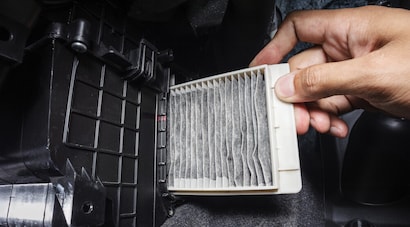
Performing a visual inspection is a straightforward way to assess your air filter’s condition. Start by locating the air filter housing, usually found under the hood in a black plastic box. Open it up and carefully remove the filter. Hold the filter against a strong light source. If you can’t see light through most of the filter, it’s likely clogged and needs replacing. Look for visible signs of dirt, dust, or oil that might indicate it’s time for a change. Consider the color as well. A new filter is typically white or off-white. If it appears dark or gray, it’s a clear sign that it’s time for a replacement.
Using Diagnostic Tools
For a more precise analysis, using diagnostic tools can be incredibly helpful. Some modern cars come equipped with sensors that alert you when the air filter needs attention. Check your vehicle’s manual to see if your car supports this feature. Investing in a handheld diagnostic tool can also be beneficial. These devices can connect to your car’s computer system, providing detailed information about airflow and filter efficiency. Keep in mind, though, that while these tools offer accuracy, they should complement visual checks rather than replace them. Combining both methods ensures a thorough examination of your air filter’s health. Taking the time to regularly inspect your air filter not only extends its life but also contributes to the overall longevity of your engine. When was the last time you checked yours?

Credit: www.trodo.com
Diy Replacement Guide
Changing a car air filter is essential for maintaining engine efficiency. Typically, replace it every 12,000 to 15,000 miles. Regular checks ensure optimal air flow and prevent dirt buildup.
Changing your car’s air filter yourself can save money. It’s a simple task you can do at home. This guide will help you replace your car air filter efficiently. Follow these steps to ensure your car breathes clean air.
Tools Required
Before starting, gather these tools:
- New air filter
- Screwdriver
- Wrench
- Clean cloth
- Gloves
Having the right tools makes the process easier.
Step-by-step Instructions
1. Locate the Air Filter Box: Open the car hood. Find the air filter box. It’s usually a black plastic box. 2. Remove the Cover: Use a screwdriver or wrench to remove the cover. Some covers have clips. Detach them carefully. 3. Take Out the Old Filter: Lift the old filter out. Check its condition. If it’s dirty, replacement is necessary. 4. Clean the Air Filter Box: Use a clean cloth to wipe the inside of the box. Remove any debris. 5. Insert the New Filter: Place the new filter in the box. Ensure it fits snugly. 6. Replace the Cover: Secure the cover back on. Tighten screws or clips. 7. Close the Hood: Make sure everything is secure. Close the hood gently. These steps ensure your car’s air filter is properly replaced. A clean air filter improves your car’s performance. Make this a regular maintenance task for a smoother ride.
Benefits Of Regular Air Filter Changes
Changing car air filters regularly improves engine performance and fuel efficiency. It reduces harmful emissions and keeps the engine clean. Regular changes extend engine life and enhance overall vehicle performance.
Regular air filter changes in your car might seem like a small task, but they can have significant benefits for both your vehicle and your health. Ensuring that your car’s air filter is clean and functioning properly can lead to a smoother ride and improved engine performance. Let’s explore the benefits of regular air filter changes and see why it should be part of your routine car maintenance.
Enhanced Engine Longevity
A clean air filter plays a crucial role in protecting your engine from harmful debris. When dust and dirt enter the engine, they can cause wear and tear on its components. Changing your air filter regularly helps prevent this, ultimately extending the life of your engine. Consider how much you rely on your car daily. Wouldn’t you want it to last as long as possible? A small investment in a new air filter can save you from costly repairs and keep your engine running smoothly for years.
Improved Air Quality
The air filter in your car doesn’t just protect the engine; it also impacts the air you breathe inside the vehicle. A clogged filter can reduce the quality of air by allowing pollutants to enter the cabin. By replacing your air filter regularly, you ensure a cleaner, healthier environment for you and your passengers. Have you ever noticed an unpleasant odor inside your car? It might be time to check the air filter. A fresh filter can help eliminate odors and allergens, making your driving experience more enjoyable and comfortable. Isn’t it worth the effort to breathe easier and protect your health? Regular air filter changes can make a significant difference in the quality of your journeys.
Credit: www.elgincdjr.com
Frequently Asked Questions
How Often Should I Change My Car Air Filter?
The frequency of changing your car’s air filter depends on driving conditions. Generally, it’s recommended every 12,000 to 15,000 miles. If you drive in dusty environments, consider checking more frequently. Regular inspection ensures optimal engine performance and fuel efficiency, keeping your car running smoothly.
What Are Signs Of A Dirty Air Filter?
Signs of a dirty air filter include reduced fuel efficiency, engine misfires, and unusual engine noises. You may notice decreased acceleration and a check engine light. Regular checks prevent these issues, ensuring your vehicle’s performance and longevity, while maintaining optimal fuel economy.
Can A Dirty Air Filter Affect Engine Performance?
Yes, a dirty air filter can negatively impact engine performance. It restricts airflow, causing the engine to work harder. This leads to reduced power and efficiency. Regularly replacing the air filter ensures proper airflow, promoting better fuel economy and smoother engine operation.
What Happens If I Don’t Change The Air Filter?
Not changing the air filter can lead to decreased engine performance and fuel efficiency. It may cause engine misfires or damage over time. Regular replacement is crucial for maintaining optimal engine health, ensuring longevity and preventing costly repairs.
Conclusion
Regularly changing your car’s air filter keeps your engine healthy. A clean filter boosts performance and saves fuel. Dirty filters can harm your car and reduce mileage. Most experts suggest changing filters every 12,000 to 15,000 miles. Driving often in dusty areas?
Change it sooner. Check your owner’s manual for specific advice. Listen to your car. If performance drops, inspect the filter. Keep your car running smoothly with timely filter changes. Simple maintenance can prevent big problems. Remember, a clean air filter means a happy engine.
Stay on top of your car’s needs.