Imagine driving on a hot summer day, with your car’s air conditioner struggling to keep you cool. You might not realize it, but the culprit could be a clogged air conditioner filter.
Replacing your car’s AC filter is not just about comfort; it’s about breathing cleaner air. If you often find yourself sneezing or feeling stuffy while driving, the air filter might be the issue. In this guide, you’ll discover a simple, step-by-step process to replace your car’s air conditioner filter.
You don’t need to be a mechanic to do this. Just a few minutes of your time can transform your driving experience, making it fresher and more pleasant. Are you ready to breathe easy and enjoy your rides again? Let’s dive in and see how you can easily accomplish this task on your own.

Credit: www.youtube.com
Importance Of Replacing Car Ac Filter
Replacing a car’s AC filter is crucial for clean air and efficient cooling. A clean filter ensures better airflow, reducing strain on the air conditioner. Regular replacement helps maintain air quality and extends the life of the cooling system.
Replacing your car’s air conditioner filter is crucial. It ensures clean air flows through the vehicle’s interior. A clean filter enhances air quality, promoting better health. It also improves the efficiency of the car’s AC system. Dust and debris can clog filters over time. This causes strain on the AC and reduces its lifespan. Regular replacement prevents these issues. It’s a small task with big benefits for your vehicle’s performance and your comfort.
Improved Air Quality
A fresh AC filter significantly improves air quality inside the car. It traps dust, pollen, and other allergens. This is essential for passengers with allergies or respiratory issues. Clean air makes every ride more pleasant and healthy.
Enhanced Ac Efficiency
An efficient AC system cools the car faster. A clean filter allows smooth airflow, reducing strain on the system. This helps maintain a consistent temperature inside the vehicle. It also saves energy, potentially lowering fuel consumption.
Longer Ac System Lifespan
Regular filter replacement extends the AC system’s lifespan. It prevents dust accumulation and potential damage. The AC system works less hard, reducing wear and tear. This avoids costly repairs and ensures optimal performance over time.
Preventing Bad Odors
Old filters can harbor mold and bacteria. This leads to unpleasant smells inside the car. A new filter eliminates this problem, keeping the cabin fresh. It ensures a comfortable environment for all passengers.
Cost-effectiveness
Replacing filters is a low-cost maintenance task. It prevents expensive AC repairs in the future. Regular upkeep saves money and maintains the car’s value. It’s a smart investment for any vehicle owner.
Credit: www.youtube.com
Identifying The Right Filter
Replacing the air conditioner filter in your car is crucial. A clean filter ensures fresh air and a healthy environment. Identifying the right filter is the first step. Not all filters are the same. You need to find the correct one for your car. This guide will help you locate and identify the right filter.
Locating The Filter Type
Check the current filter in your car. Locate it behind the glove box or under the hood. The exact location varies by car model. Once found, look for markings or labels. These indicate the filter type and size. Note down any numbers or codes.
Filters come in different shapes and sizes. Some are rectangular, others are square. The filter material also varies. Common materials include paper, cotton, and foam. Choose a filter that matches the type and size of your current one.
Consulting The Car Manual
Your car’s manual is a valuable resource. It contains details about the air conditioner filter. Look for a section on maintenance or air conditioning. Here, you’ll find filter specifications and replacement instructions. The manual may also suggest brands compatible with your vehicle.
If you misplaced your manual, check the manufacturer’s website. Many provide digital versions of car manuals. Use these resources to confirm the filter type. Ensure you get the correct replacement for optimal performance.
Tools Needed For Replacement
Flathead screwdriver, pliers, and a new filter are essential for replacing the air conditioner filter in your car. These tools allow easy access and removal of the old filter, ensuring a smooth replacement process.
Replacing the air conditioner filter in your car is a straightforward task that doesn’t require a full toolkit. However, having the right tools on hand can make the job smoother and quicker. Whether you’re a DIY enthusiast or a first-time filter changer, here’s a guide on the essential and optional tools you’ll need for the job.
Essential Tools
- Screwdriver:A standard screwdriver, often a Phillips head, is crucial. It helps you remove any screws securing the filter housing.
- Flashlight:If your car’s filter compartment is tucked away in a dim spot, a flashlight can be your best friend. It provides much-needed visibility.
- Gloves:Wearing gloves protects your hands from dust and debris. It also offers a better grip when handling the new filter.
Optional Tools For Ease
- Vacuum Cleaner:A handheld vacuum can help clean out the dust and debris in the filter compartment. It ensures a cleaner environment for the new filter.
- Plastic Pry Tool:If your filter compartment has clips, a plastic pry tool can gently loosen them without damage. This tool is particularly useful for cars with delicate interior fittings.
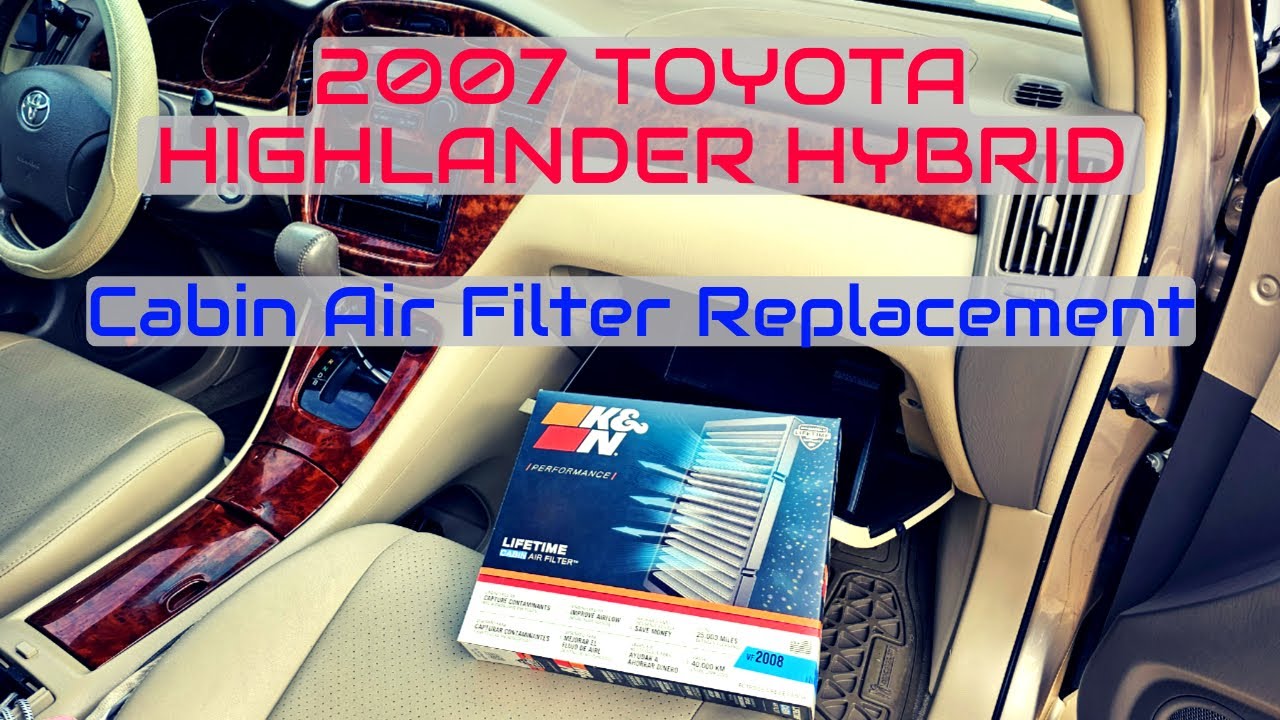
- Replacement Filter:While not a tool, having the correct replacement filter on hand is vital. Double-check your car’s make and model to ensure compatibility.
Have you ever started a DIY job only to realize you’re missing a tool? Being prepared saves you time and frustration. Imagine finishing the job with ease, knowing you’ve got everything you need right at your fingertips.

Credit: www.youtube.com
Accessing The Filter Compartment
Accessing the filter compartment is simple. Open the glove box and locate the release tabs or screws. Remove the cover to expose the filter for easy replacement.
Accessing the filter compartment in your car is a straightforward task that many overlook. Yet, it can greatly improve the air quality inside your vehicle. Knowing where and how to access this compartment is crucial. Imagine driving on a sweltering day with a fresh, clean breeze flowing through your car. That’s the power of a well-maintained air conditioning system.
Locating The Compartment
Finding the air filter compartment is often the trickiest part of the task. Most cars have the filter located behind the glove box or under the hood. Check your car’s manual for exact details. I remember the first time I attempted this. I spent a good 15 minutes opening every compartment except the right one. It taught me the importance of preparation and reading the manual first. Have you ever faced a similar scenario?
Opening The Compartment Safely
Once located, opening the compartment safely is key. Ensure your car is off and parked on a flat surface. Use a screwdriver if necessary, but be gentle to avoid damaging clips or screws. If you’re unsure, watch a quick video tutorial specific to your car model. It can save you from unnecessary frustration and potential damage. In some cases, it’s as simple as pressing a tab and pulling a cover. However, always ensure you have a clean cloth ready to prevent dust from spreading. Have you ever underestimated how much dirt these filters can collect? Accessing your car’s air filter compartment doesn’t need to be daunting. With a little preparation, you’ll have it open and ready for a new filter in no time.
Removing The Old Filter
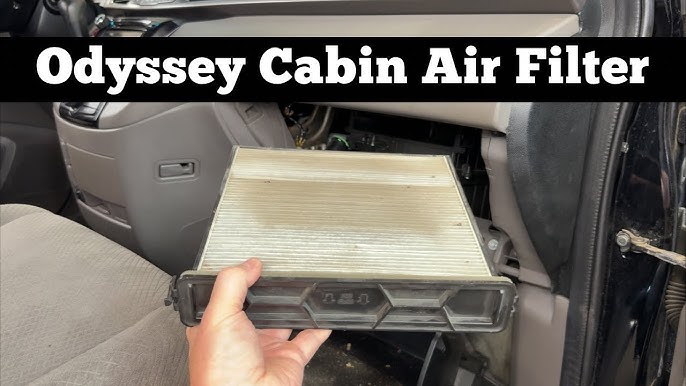
Locate the air conditioner filter housing under the dashboard or glove box. Open the cover and carefully slide out the old filter. Ensure it is disposed of properly.
Removing the old air conditioner filter from your car is a crucial step. A clean filter improves air quality and extends your vehicle’s health. Follow these simple instructions to ensure a smooth process.
Proper Removal Techniques
First, locate the air filter compartment. It’s usually behind the glove box or under the dashboard. Open the compartment gently to avoid any damage. Use a screwdriver if necessary. Be careful not to force anything. Check the filter’s position and note how it fits. This will help when installing the new filter.
Handling The Old Filter
Remove the old filter carefully. Hold it by the edges to prevent dirt from spilling. Avoid touching the filter’s surface. It may contain dust and allergens. Place the old filter in a plastic bag immediately. Dispose of it responsibly. Keep the area clean to prevent contamination.
Installing The New Filter
Insert the new air conditioner filter carefully, ensuring it fits snugly into the designated slot. Confirm it’s positioned correctly to avoid any airflow issues.
Installing the new air conditioner filter in your car is crucial. It ensures clean air circulates in your vehicle. Follow these steps to ensure a proper installation.
Correct Positioning
Ensure the new filter faces the right direction. Look for arrows on the filter. They indicate airflow direction. These arrows should match the airflow direction in your car. Usually, it’s from top to bottom. Insert the filter gently into the slot. Avoid forcing it in. A gentle push should suffice.
Securing The Filter
Once the filter is in place, secure it properly. Check if the filter sits snugly in its compartment. There should be no gaps around the edges. If needed, adjust it to fit perfectly. Close the compartment door. Lock it with clips or screws, depending on your car model. Ensure the compartment is sealed tightly. This prevents dust from entering. Your new filter is now ready to keep the air clean.
Testing The Air Conditioner
Changing the car’s air conditioner filter is essential for maintaining clean air quality. Locate the filter compartment, usually behind the glove box. Remove the old filter and insert a new one to ensure efficient cooling.
Testing the air conditioner in your car after replacing the filter is a crucial step to ensure everything is functioning smoothly. This process is more than just turning on the AC and feeling the cool breeze. It’s about ensuring the system operates efficiently and without any issues that might have cropped up during the replacement.
Checking For Proper Airflow
Once the new filter is in place, turn on your car and set the air conditioner to its highest setting. Feel the airflow from the vents. Is it strong and consistent? If the airflow is weak, the filter might not be seated correctly, or there could be an obstruction elsewhere in the system. I’ve had moments when I’ve rushed through installations, only to find a misplaced filter reducing airflow. It’s a simple fix—just recheck the filter’s position and ensure it’s fitted snugly.
Ensuring No Unusual Noises
Listen carefully as the air conditioner runs. Are there any strange noises like rattling or hissing? These sounds can indicate problems such as loose components or leaks. I remember once replacing a filter only to hear a clattering noise. It turned out a small twig had somehow found its way into the system. Removing it immediately restored the peace and quiet. If your AC sounds off, it’s time to inspect for debris or any loose parts. You want to catch these small issues early to avoid bigger problems down the line. Testing your air conditioner thoroughly ensures you enjoy a comfortable ride with clean, cool air. What observations have you made while testing your AC? Share your experiences in the comments below!
Maintenance Tips
Replacing an air conditioner filter in your car is simple. Locate the filter behind the glove compartment, unclip it, and slide it out. Insert the new filter and secure it. Regular replacement ensures clean air and enhances cooling efficiency.
Keeping your car’s air conditioner filter in top condition is more than just a maintenance task—it’s essential for the air quality inside your vehicle. A clean filter ensures that you and your passengers breathe fresh air, free from dust and allergens. It’s also crucial for the efficiency of your air conditioning system, preventing strain and potential costly repairs.
Regular Replacement Schedule
Create a habit of checking your car’s air conditioner filter at regular intervals. Most manufacturers recommend changing the filter every 12,000 to 15,000 miles, but this can vary depending on your driving conditions. If you often drive in dusty areas or heavy traffic, consider replacing it more frequently. An easy way to remember is to align it with your oil change schedule. This way, you won’t overlook this critical task. What works for you might be different, so find a routine that fits your lifestyle.
Signs Of A Clogged Filter
A clogged filter can reduce airflow, making your air conditioner work harder than it should. If you notice a musty smell when you turn on the AC, it might be time for a new filter. Reduced cooling efficiency is another sign that your filter needs attention. Listen to your car. If you hear unusual noises when the AC is on, the filter might be blocked. Always trust your senses; they’re great at picking up these subtle signals.
Frequently Asked Questions
How Often Should I Change My Car Ac Filter?
You should replace your car AC filter every 12,000 to 15,000 miles. This ensures optimal airflow and air quality. Check your owner’s manual for specific recommendations. Regular replacement prevents dust buildup and keeps the air conditioning system efficient.
Can I Replace The Car Ac Filter Myself?
Yes, you can replace the car AC filter yourself. It’s usually a simple process requiring minimal tools. Consult your vehicle’s manual for specific instructions. DIY replacement saves time and money. Regular maintenance keeps your car’s air conditioning running smoothly.
Where Is The Ac Filter Located In A Car?
The AC filter is typically located behind the glove box. Accessing it may require removing a few screws or panels. Your car’s manual provides exact instructions. Knowing its location helps in regular maintenance and replacement.
What Are Signs Of A Dirty Ac Filter?
Signs of a dirty AC filter include reduced airflow and musty odor. You may also notice increased dust inside the car. Regular inspection helps avoid these issues. Replacing the filter improves air quality and system efficiency.
Conclusion
Changing your car’s air conditioner filter is simple and important. It ensures fresh air and helps your AC work efficiently. First, locate the filter, usually behind the glove box. Remove the old filter and insert the new one. Make sure it fits well.
This task doesn’t require special tools or skills. Regular replacement keeps your car’s air clean and healthy. Doing it yourself saves money and time. Make it a part of your car maintenance routine. Breathe easy with a clean filter. Keep your car’s air fresh and your ride comfortable.