When was the last time you thought about your car’s brake fluid? If you’re like most drivers, it might not be at the top of your mind, but it’s crucial for your safety on the road.
Just imagine driving down the highway and suddenly realizing your brakes aren’t responding as they should. Scary, right? This simple check can prevent that nightmare from becoming a reality. By learning how to check your car’s brake fluid, you ensure not only your safety but also your peace of mind.
You’ll discover just how easy it is to keep your car’s braking system in top shape. Let’s dive in and make sure every drive you take is a safe one!

Credit: www.familyhandyman.com
Importance Of Brake Fluid
Checking car brake fluid is crucial for maintaining safe driving conditions. It ensures your brakes function properly and prevents accidents. Regular monitoring can help avoid costly repairs and ensure a smooth driving experience.
The Importance of Brake Fluid Brake fluid is a crucial component in your car’s brake system. Its primary role is to transfer force from the brake pedal to the brake pads, ensuring your vehicle stops when needed. Without the right amount or quality of brake fluid, your car’s ability to brake effectively diminishes, leading to potential safety hazards. Imagine cruising down a highway at 60 mph, and suddenly the traffic ahead halts. You press the brake pedal, but your car doesn’t respond as expected. This terrifying scenario can be avoided by maintaining proper brake fluid levels. Ensuring your brake fluid is in top condition is not just about safety; it’s about peace of mind. Don’t think of brake fluid maintenance as an optional task. It’s a necessity that can prevent costly repairs and dangerous situations. If you’ve ever had your brakes fail or act sluggishly, you know the anxiety it brings. Regularly checking and replacing brake fluid can save you from these nerve-wracking moments. Have you ever wondered if your car’s brake system is truly reliable? The answer lies in the simple act of checking your brake fluid. It’s easy, quick, and can make all the difference. Neglecting this can lead to brake failure, which could be disastrous. So, why not make it a habit to ensure your brake fluid is always up to par?
What Is Brake Fluid?
Brake fluid is a hydraulic fluid used in brake systems. It operates under high temperature and pressure, transferring force from the brake pedal to the brake components. This fluid is essential for the smooth operation of your vehicle’s braking system.
Why Is Brake Fluid Important?
Brake fluid ensures the efficiency and effectiveness of your braking system. It prevents corrosion within the brake system and maintains the functionality of the brake components. Without proper brake fluid, your brakes may become unresponsive or fail.
How Often Should You Check Brake Fluid?
It’s recommended to check your brake fluid every month or as per your vehicle manufacturer’s guidelines. Regular checks help in early detection of leaks or contamination, ensuring your brakes remain in optimal condition.
Signs Your Brake Fluid Needs Attention
Watch out for warning signs like a spongy brake pedal, decreased braking performance, or an illuminated brake warning light. These could indicate low or contaminated brake fluid, requiring immediate attention.
Steps To Check Your Brake Fluid
- Park your car on a level surface and turn off the engine.
- Locate the brake fluid reservoir, usually found near the engine firewall.
- Check the fluid level against the markings on the reservoir.
- Inspect the color and consistency of the fluid.
- Top up the fluid if necessary, using the recommended type for your vehicle.
Maintaining your car’s brake fluid is a simple yet vital task. By checking it regularly, you ensure your safety and enhance your driving experience. So, take a moment today to inspect your brake fluid, and drive with confidence.
Signs Of Low Brake Fluid
Ensuring your car’s brake fluid is at an optimal level is crucial for safety. But how do you know when it’s running low? Recognizing the signs of low brake fluid can prevent dangerous driving conditions and costly repairs. As someone who once ignored these signs, I learned the hard way that paying attention to your car’s signals can save you from a potential breakdown.
Identifying low brake fluid isn’t always straightforward. Your car might not scream for help, but it does whisper warnings. These subtle signs are easy to miss but can be critical for your safety.
- Brake Warning Light:One of the most apparent indicators is the brake warning light on your dashboard. If this lights up, it’s time to check your brake fluid level.
- Unresponsive Brakes:Do you feel like you’re pressing the brake pedal too hard to get a response? This could signal low brake fluid, making braking sluggish and unsafe.
- Strange Noises:Notice any unusual sounds when braking, like grinding or squeaking? Low brake fluid might be the culprit, affecting the braking system’s efficiency.
- Leaky Fluid:Have you spotted fluid stains under your car? It might be brake fluid leaking, indicating a drop in fluid levels.
Have you ever ignored a minor car issue and regretted it later? Catching these signs early can prevent that dreaded moment. Your car communicates in its own language; understanding it can keep you safe.
Take a moment to reflect on how you maintain your vehicle. Are you proactive or reactive? Being proactive with brake fluid checks can save you from unexpected issues.
Gathering Necessary Tools
Gathering necessary tools is crucial for checking car brake fluid. A clean cloth, flashlight, and brake fluid are essential. Ensure you have a funnel for easy pouring and a jack stand for safety.
Gathering the right tools is crucial for checking your car’s brake fluid. Proper tools ensure safety and accuracy during the inspection. Having everything ready helps you perform the task smoothly.
Essential Tools For Brake Fluid Check
Start by collecting the necessary tools for the brake fluid check. You need a flashlight to see inside the engine compartment. A clean cloth will help wipe away dirt from the reservoir. You also need a brake fluid tester for accurate readings.
Using The Correct Brake Fluid
Make sure you have the right brake fluid for your car. Check your owner’s manual for the specific type needed. Using the wrong fluid can damage your car’s braking system. Always purchase quality brake fluid from trusted stores.
Safety Gear And Precautions
Wear gloves to protect your hands from any spills. Safety goggles are also important to protect your eyes. Ensure your car is parked on a flat surface before starting the check. This prevents accidents and ensures accurate fluid level readings.

Credit: www.mbwestcovina.com
Locating The Brake Fluid Reservoir
Locate the brake fluid reservoir under the hood, often near the driver’s side. It’s usually a small, clear container with markings. Check fluid level against markings for proper maintenance.
Locating the brake fluid reservoir is crucial for maintaining your car’s safety. This small tank holds the fluid that ensures proper brake function. Knowing where it is helps in checking and refilling the fluid. Finding the reservoir might seem challenging. It’s usually under the hood, near the driver’s side. Knowing its location saves time and effort. It also helps in keeping your brakes in top shape.
Opening The Hood
First, pop the hood using the lever inside your car. This lever is often near the driver’s seat, easy to reach. Once the hood is open, secure it with the rod if needed.
Identifying The Brake Fluid Reservoir
Look for a small, rectangular container. It’s usually white or yellow with a screw cap on top. This reservoir is often near the back of the engine compartment, close to the firewall.
Checking The Fluid Level
Once found, check the fluid level. The reservoir has marks indicating ‘Max’ and ‘Min’ levels. Make sure the fluid is between these marks.
Inspecting The Fluid Condition
Observe the fluid color. It should be clear or light brown. Dark fluid means it may need changing. Clean fluid ensures your brakes work well.
Adding Brake Fluid
If the fluid is low, add more. Remove the cap carefully, and pour the brake fluid into the reservoir. Fill it to the ‘Max’ line without overfilling.
Checking Fluid Levels
Checking the brake fluid levels in your car is essential for safety. Low fluid can mean poor braking performance. Regular checks help maintain your vehicle’s health. This guide will walk you through the process.
Steps For Accurate Measurement
Before you start, ensure the car is on a level surface. Turn off the engine and let it cool. Locate the brake fluid reservoir under the hood. It’s usually near the back of the engine bay. Clean the reservoir cap with a cloth to avoid dirt getting inside.
- Open the reservoir cap carefully.
- Check the fluid level against the ‘Min’ and ‘Max’ marks.
- If needed, top up with the correct brake fluid type.
Always use the recommended fluid for your car model. Check the owner’s manual for details.
Interpreting Fluid Level Readings
If the fluid is below the ‘Min’ mark, it indicates a possible issue. It could be a leak or worn brake pads. Consult a mechanic for further inspection. The fluid should be clear or light yellow. Dark or dirty fluid needs replacement.
Keeping fluid levels between the marks ensures optimal braking performance. Regular checks can prevent potential problems on the road.

Credit: www.instagram.com
Inspecting Fluid Condition
Inspect the brake fluid level by locating the reservoir under the hood. Ensure the fluid is clear and amber-colored. Refill if it appears dirty or low.
Inspecting the fluid condition is crucial for maintaining brake system health. Regular checks prevent potential brake failures. This ensures your safety on the road. Knowing what to look for helps you catch issues early. So, what should you inspect in your brake fluid? Let’s dive into the specifics.
Identifying Contaminated Fluid
Contaminated brake fluid can be hazardous. Dirt or debris in the fluid signals contamination. Moisture can enter the brake lines, affecting performance. Look for signs of rust or metal particles. A cloudy or milky appearance is a red flag. If you notice any of these, replace the fluid immediately.
Recognizing Proper Fluid Color
Fresh brake fluid has a clear appearance. It might have a slight yellow tint. Over time, fluid darkens due to heat and dirt. A dark brown or black color is a sign to change the fluid. Regularly compare your fluid to a fresh sample. This helps in recognizing when a change is needed. Keep your brake system in top condition by being vigilant.
Refilling Brake Fluid
Checking car brake fluid is simple. Locate the brake fluid reservoir under the hood, usually near the driver’s side. Ensure fluid levels are between the minimum and maximum marks on the reservoir.
Refilling brake fluid is vital for car safety. It ensures your brakes function well. Low brake fluid can lead to brake failure. Always keep an eye on the fluid level. Refill it when needed. Here’s how to do it safely and correctly.
Choosing The Right Brake Fluid
Different cars need different brake fluids. Check your car’s manual. It tells you which fluid to use. Common types include DOT3, DOT4, and DOT5. Use the correct type to prevent damage. Wrong fluid can harm your braking system. Buy brake fluid from reputable stores. Ensure it’s sealed and not expired.
Safe Refilling Procedure
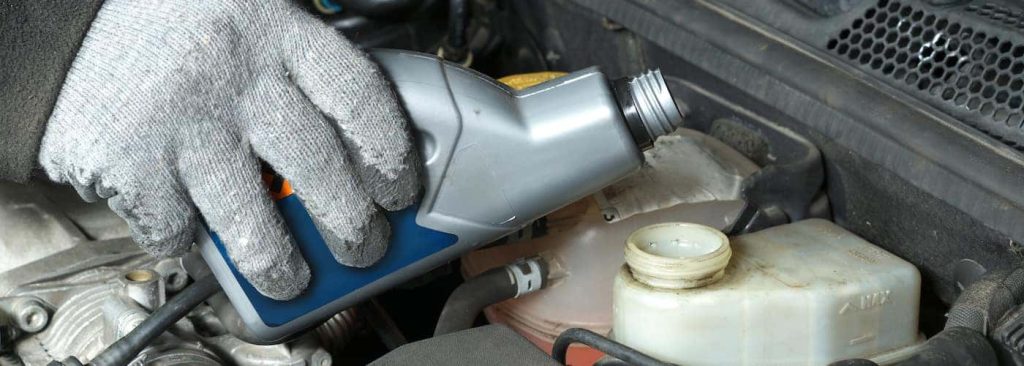
First, park your car on a level surface. Turn off the engine. Open the hood and locate the brake fluid reservoir. Clean the area around the cap. This prevents dirt from entering. Carefully remove the cap. Check the fluid level. If it’s low, add fluid slowly. Use a funnel to prevent spills. Fill up to the marked line. Do not overfill. Replace the cap securely. Clean any spills immediately. Dispose of old fluid safely. Always wash your hands after handling brake fluid.
Safety Tips And Precautions
Checking car brake fluid is vital for safe driving. Ensure the vehicle is on level ground and the engine is cool. Locate the brake fluid reservoir, check the fluid level against the indicator lines, and ensure it is clear and uncontaminated.
Ensuring your car’s brake fluid is in good condition is vital. Safety should always be your top priority during this process. Handling brake fluid with care prevents accidents and maintains your car’s performance. Follow these safety tips and precautions to check your brake fluid safely.
Wear Protective Gear
Always wear gloves and goggles. Brake fluid is corrosive and can damage skin and eyes. Ensure your protection before you start.
Work In A Well-ventilated Area
Brake fluid vapors can be harmful. Perform checks in open spaces to avoid inhaling fumes. Fresh air is important.
Keep Brake Fluid Away From Painted Surfaces
Brake fluid can strip paint. Be careful to avoid spills on your car’s body. Wipe any spills immediately with a clean cloth.
Use The Correct Type Of Brake Fluid
Check your car manual for the right fluid type. Using the wrong fluid can damage your brake system. Always double-check before adding fluid.
Secure Your Vehicle
Ensure your car is parked on a flat surface. Use the parking brake to prevent movement. This prevents accidents during your check.
Avoid Mixing Old And New Brake Fluid
Mixing fluids can reduce effectiveness. Always use fresh brake fluid when topping up. Dispose of old fluid safely.
Handle Brake Fluid With Care
Do not let brake fluid come into contact with your skin. If spills occur, clean them immediately. Wash your hands thoroughly after handling. Following these safety tips ensures a smooth and safe brake fluid check. Prioritize safety to maintain your vehicle’s reliability.
Maintenance Frequency
Regularly checking your car’s brake fluid ensures safe driving. Inspect the fluid level every month. Look for changes in color, which can signal a need for replacement.
Maintenance Frequency is crucial in ensuring your car’s brake system operates safely and efficiently. Regularly checking and maintaining your brake fluid is not just a suggestion—it’s a necessity. But how often should you really be doing it?
Understanding Manufacturer Recommendations
Most car manufacturers suggest checking your brake fluid every two years. This recommendation is based on the average lifespan of brake fluid before it starts deteriorating. Always refer to your car’s manual for specific guidelines.
Signs Your Brake Fluid Needs Checking More Often
Sometimes, waiting for two years might not be ideal. If you notice spongy brakes or a burning smell while driving, it’s time for an immediate check. Consistent inspection can help catch potential issues early.
Integrating Brake Fluid Checks Into Regular Maintenance
Why not check your brake fluid during regular oil changes? This habit ensures you’re not missing any wear and tear signs. It’s a small step that can prevent major brake failures.
The Impact Of Driving Conditions On Maintenance Frequency
Do you often drive in stop-and-go traffic or mountainous terrains? Such conditions can accelerate brake fluid degradation. Adjust your maintenance schedule accordingly to ensure optimal performance.
Personal Experience: The Cost Of Ignoring Maintenance
Ignoring brake fluid checks once cost me a hefty repair bill. The lesson learned? A few minutes spent checking can save you from unexpected breakdowns and expenses. Don’t let negligence turn into a costly mistake. Now, take a moment to think about your car’s brake fluid maintenance. Is it time for a check?
Common Mistakes To Avoid
Mistakes often happen when people rush to check brake fluid. Neglecting to clean the cap first can lead to contamination. Ensure the car is parked on level ground to get an accurate reading.
Checking your car’s brake fluid is crucial. Many people make common mistakes. These mistakes can affect your car’s safety. Knowing what to avoid helps maintain your car’s brakes.
Not Checking The Fluid Level Regularly
Regular checks are essential. Some neglect this, leading to issues. Brake fluid levels can drop. It’s important to check often.
Using The Wrong Type Of Fluid
Brake fluids are not all the same. Different cars need specific types. Using the wrong type can damage the brake system.
Ignoring The Color Of The Fluid
Brake fluid should be clear. If it’s dark or dirty, it’s time for a change. Some ignore the color, risking brake failure.
Not Sealing The Cap Properly
The cap must be tight after checking. An open cap lets moisture in. Moisture can harm the brake fluid.
Touching The Fluid With Bare Hands
Brake fluid is corrosive. It can harm your skin. Always use gloves. Avoid direct contact with the fluid.
Skipping The Owner’s Manual
The manual has important information. Some skip reading it. It guides you on the right fluid and checking methods.
Frequently Asked Questions
What Is Car Brake Fluid Used For?
Car brake fluid is essential for your vehicle’s braking system. It transfers force into pressure, allowing brakes to function. Without it, your car’s brakes won’t work effectively, posing safety risks. Regularly checking and maintaining brake fluid ensures optimal performance and safety while driving.
How Often Should I Check Brake Fluid?
It’s recommended to check your brake fluid every six months or during routine maintenance. Regular checks help identify leaks and ensure optimal performance. If you notice any issues, such as spongy brakes or unusual sounds, check the fluid immediately.
How Do I Know If Brake Fluid Is Low?
Signs of low brake fluid include spongy brakes, longer stopping distances, and illuminated brake warning lights. Check the fluid level using the reservoir’s markings under your car’s hood. Always ensure the fluid is between the minimum and maximum lines.
Can I Change Brake Fluid Myself?
Yes, you can change brake fluid yourself with the right tools and instructions. Ensure you have the correct brake fluid type and follow your vehicle’s manual. While it’s doable, consider professional help for safety and precision if you’re unsure.
Conclusion
Checking your car’s brake fluid is essential for safety. Regular checks prevent brake failure. Always ensure fluid levels are adequate. A quick check can save lives. Don’t ignore warning signs like spongy brakes. Use the right brake fluid for your car.
Consult your manual if unsure. Clean the area around the cap before opening. This prevents dirt from entering. Keep an eye on the brake fluid color. Dark fluid needs replacement. Proper maintenance ensures better vehicle performance. Prioritize your safety by following these steps.
Your car will thank you. Drive safely and responsibly.