
Your car seats are one of the first things you notice when you get inside your vehicle. Over time, fabric seats can collect dirt, stains, and odors that make your car feel less fresh and inviting.
But cleaning them doesn’t have to be a hassle. What if you could restore your fabric seats to look and feel like new with simple steps you can do yourself? Keep reading, because you’re about to discover easy, effective ways to clean your fabric car seats and keep your ride comfortable and spotless.
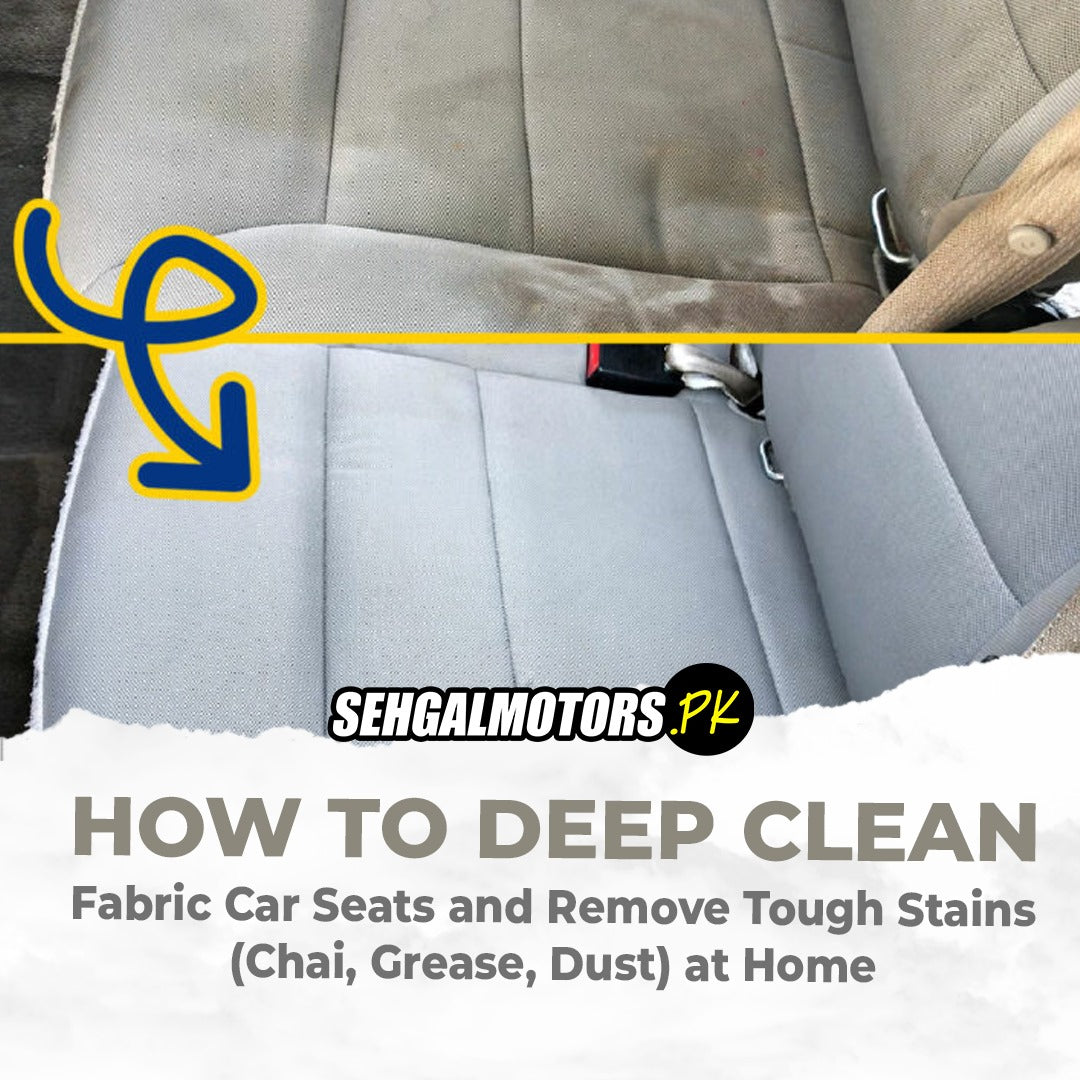
Credit: sehgalmotors.pk
Tools And Materials Needed
Having the right tools and materials makes cleaning your fabric car seats easier and more effective. You don’t need expensive products, but choosing the right ones can save you time and give your car a fresh, spotless look. Let’s look at what you should have on hand before you start.
Cleaning Solutions
Pick a cleaning solution that suits your fabric type and stain level. You can use store-bought upholstery cleaners or make a simple mix with mild soap and water. Avoid harsh chemicals that might damage the fabric or leave strong odors behind.
Have you ever tried using white vinegar diluted with water? It’s a natural option that works well on many stains and helps neutralize odors. Test any cleaner on a small hidden spot first to make sure it won’t discolor your seats.
Brushes And Cloths
Soft-bristle brushes are great for loosening dirt trapped deep in fabric fibers without causing damage. A toothbrush or a dedicated upholstery brush works perfectly for this task. Pair them with microfiber cloths that absorb moisture and dirt effectively.
Remember, a clean cloth is essential to avoid spreading dirt around. You might want to keep a few cloths handy so you can switch to a fresh one as you clean. Have you noticed how a damp cloth often cleans better than a dry one?
Vacuum Cleaner
A vacuum cleaner with a hose and brush attachment is a must-have tool for fabric seats. It removes loose dirt, crumbs, and pet hair before you apply any cleaning solution. This step prevents dirt from embedding deeper when you scrub.
If your vacuum has adjustable suction, use a lower setting to avoid damaging delicate fabric. Don’t rush this step—spending a few minutes vacuuming can make a big difference in the final result.
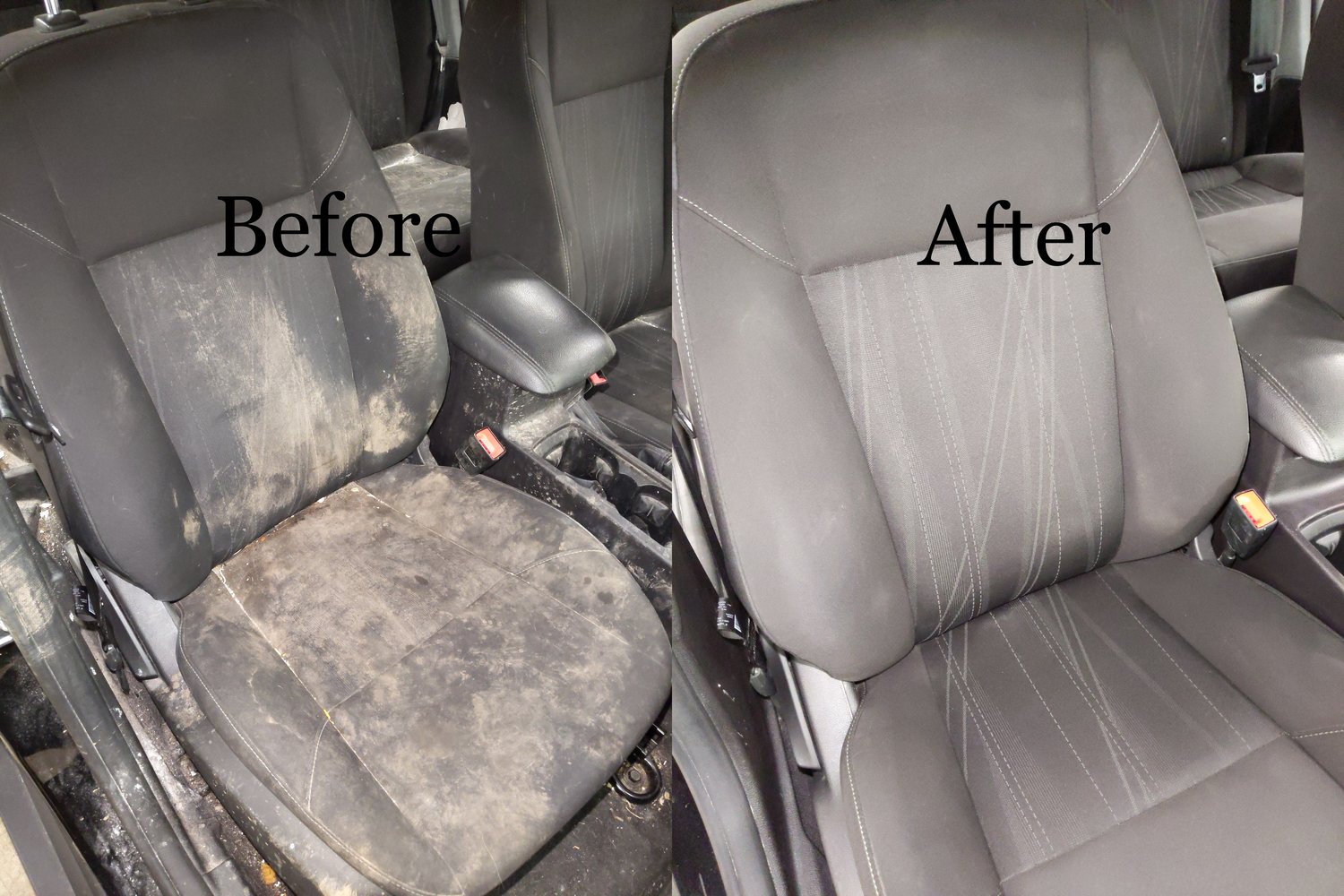
Credit: www.drivebydetail.net
Preparing Your Car Seats
Preparing your fabric car seats for cleaning is essential for effective results. This step ensures dirt and stains come out easily without damaging the fabric. Taking time to prepare also helps avoid extra work later.
Remove Loose Debris
Start by removing any loose dirt and crumbs. Use a handheld vacuum or a soft brush to clear dust from the seats. Pay close attention to seams and crevices where dirt hides. Removing loose debris prevents it from spreading during cleaning.
Test Cleaning Products
Before applying any cleaner, test it on a small hidden area. This step checks for color fading or fabric damage. Apply a small amount and wait for a few minutes. If no change occurs, the product is safe to use on the entire seat.
Vacuuming The Seats
Vacuuming fabric car seats is the first and most important step in cleaning. It removes loose dirt, dust, and crumbs that settle on the surface. This process prepares the seats for deeper cleaning. Regular vacuuming helps keep the fabric fresh and prevents stains from setting in. A clean seat looks better and lasts longer.
Use Proper Attachments
Choose vacuum attachments that fit car seats well. A brush attachment works best for fabric. It loosens dirt without damaging the fibers. A crevice tool reaches tight spots between seat cushions. Avoid using a hard nozzle directly on the fabric. It can cause wear or pull threads.
Focus On Crevices
Crevices collect the most dirt and debris. Use the crevice tool to clean these narrow spaces carefully. Move the vacuum slowly along seams and folds. Check under the edges where crumbs hide. Cleaning crevices prevents buildup that attracts stains and odors.
Applying Cleaning Solution
Applying a cleaning solution to your fabric car seats is a crucial step that can make all the difference in removing stains and refreshing the fabric. But it’s not just about pouring on any cleaner—you need to be thoughtful about what you use and how you apply it. The right approach protects your seats and boosts your cleaning success.
Choose The Right Cleaner
Not all cleaners work well on fabric car seats. Some are too harsh and can cause discoloration or damage. Look for products specifically labeled for automotive upholstery or fabric.
If you prefer homemade solutions, a mix of warm water and mild dish soap often does the trick. Test any cleaner on a hidden spot first to check for colorfastness. Avoid bleach or ammonia-based products—they can weaken fabric fibers and fade colors.
Have you ever applied a cleaner only to see a ring of discoloration afterward? That’s why testing is key. Your fabric deserves a gentle but effective cleaner.
Spot Treatment Techniques
Targeting stains directly can save time and effort. Use a small brush or a clean cloth to apply the cleaner gently to the stained area. Let it sit for a few minutes to break down the grime.
Next, blot the spot with a dry microfiber cloth—never rub, as that can spread the stain or damage the fabric. If the stain is stubborn, repeat the process or use a fabric-safe stain remover designed for cars.
Have you noticed how some stains vanish with just a little patience and careful attention? Spot cleaning can often be more effective than soaking the entire seat.
Scrubbing And Agitation
Gently scrub fabric car seats using a soft brush to lift dirt and stains. Agitate in small circles to avoid damaging the material and ensure a deeper clean.
Cleaning fabric car seats can be a daunting task, but with the right approach, it becomes a manageable chore. Scrubbing and agitation are essential in removing stubborn stains and grime. The key is to be gentle yet effective, ensuring that you don’t damage the fabric while getting it clean. So, how do you achieve the perfect balance?
Use Soft-bristled Brush
A soft-bristled brush is your best friend when it comes to scrubbing fabric car seats. Unlike harsh brushes, soft bristles are gentle on the fabric but tough on dirt. They can reach into the fabric’s weave without causing fraying or wear. Make sure your brush is clean before you start. Residue from previous cleaning sessions can transfer unwanted grime back onto the seats. A quick rinse under warm water should do the trick.
Gentle Circular Motions
When scrubbing, opt for gentle circular motions. This technique is effective in lifting dirt and stains without pushing them deeper into the fabric. It also ensures an even clean, preventing patchy areas. Imagine you’re giving the fabric a gentle massage. Apply light pressure and let the bristles do the work. This method is not only effective but also minimizes the risk of damaging your seats. Have you ever noticed how some stains seem to disappear faster than others? Pay attention to the pressure you apply and adjust as necessary. Sometimes, a little patience is all it takes to see great results. By following these tips, you can maintain your car seats in pristine condition. Have you tried these techniques before? What worked best for you?
Removing Excess Moisture
Removing excess moisture from fabric car seats is a crucial step to prevent mold, unpleasant odors, and fabric damage. If you leave your seats too wet, the drying process takes much longer and could lead to permanent stains. Taking control of moisture levels right after cleaning helps keep your car interior fresh and looking new.
Blot With Clean Cloth
Use a clean, absorbent cloth or microfiber towel to gently blot the wet areas of your seat. Press firmly but avoid rubbing, as rubbing can push moisture deeper into the fabric fibers. You’ll notice how quickly a dry cloth soaks up the moisture, speeding up the drying process.
Keep several cloths handy, so you can switch to a dry one as soon as the first becomes damp. This simple step can reduce drying time by hours and reduce the risk of mildew forming in hidden areas.
Avoid Over-wetting
It’s tempting to pour water or cleaning solution liberally when scrubbing fabric seats, but over-wetting is a common mistake. Excess liquid seeps down to the seat cushion and foam padding, making it harder to dry and causing unpleasant smells.
Try using a spray bottle with a fine mist to control the amount of cleaner you apply. You want the fabric damp, not drenched. Have you ever noticed how a little cleaner goes a long way when applied carefully? That’s the key to efficient and safe cleaning.
Drying The Seats
Drying fabric car seats properly is crucial to prevent mold, unpleasant odors, and fabric damage. After cleaning, the seats will hold moisture that needs to evaporate efficiently. How you dry them can make a big difference in the freshness and longevity of your car’s interior.
Air Dry Tips
Letting your car seats air dry naturally is the safest way to protect the fabric. Park your car in a shaded, well-ventilated area to avoid direct sunlight, which can cause fading or stiffening of the material.
Leave the doors or trunk open to improve airflow inside the vehicle. You might find it helpful to open multiple doors to create a cross breeze that speeds up drying.
Patience is key here. Depending on humidity levels, fabric seats might take several hours to fully dry. You don’t want to rush this step because residual dampness invites mold growth and bad smells.
Use Fans Or Open Windows
Using fans inside the car can dramatically reduce drying time. Place a portable fan so it blows air directly onto the seats, especially in areas that seem dampest.
If you don’t have fans, simply rolling down the windows slightly can encourage steady airflow. Even a small gap allows moisture to escape, which helps the seats dry faster.
Have you ever noticed that after a rainstorm, your car feels musty because the seats stayed wet too long? This is exactly what you want to avoid by using these drying techniques.
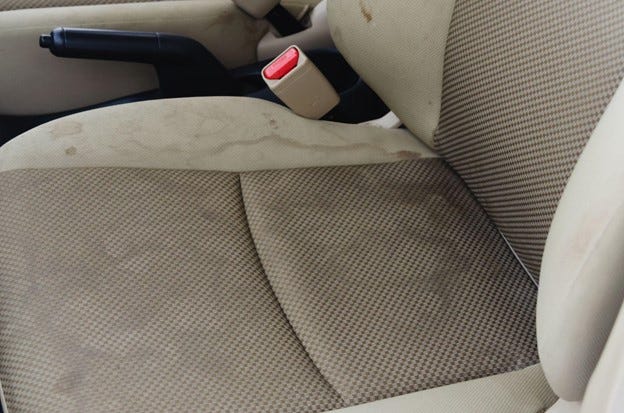
Credit: www.vanisharabia.com
Maintaining Clean Fabric Seats
Keeping your fabric car seats clean not only enhances your vehicle’s interior but also prolongs the life of the seats. Regular maintenance can prevent stains from setting and reduce wear and tear. By adopting a few simple habits, you can maintain your car seats in pristine condition with minimal effort.
Regular Vacuuming
Regular vacuuming is crucial for maintaining clean fabric seats. It helps remove dirt and debris that can cause fabric to wear out over time. Make it a habit to vacuum your seats at least once a week.
Use a vacuum cleaner with a brush attachment to gently lift dirt without damaging the fabric. Pay special attention to seams and crevices where dirt tends to accumulate. This simple routine can make a significant difference in the longevity of your car seats.
Quick Spot Cleaning
Spills happen, but quick action can prevent them from becoming permanent stains. Keep a small cleaning kit in your car with essential items like a microfiber cloth, a small spray bottle of water, and a mild fabric cleaner.
As soon as a spill occurs, blot it with the microfiber cloth to absorb as much liquid as possible. Spray a little water or cleaner if needed, and gently blot again. Quick response can save you a lot of trouble later and keep your seats looking fresh.
Have you ever noticed how a small effort can make a big impact? By incorporating these simple steps into your routine, you’re not just cleaning—you’re preserving your car’s interior for years to come.
Frequently Asked Questions
How Do I Clean Fabric Car Seats Without Damaging Them?
Use a gentle fabric cleaner and a soft brush to avoid damage. Test any cleaner on a small spot first. Avoid soaking the fabric to prevent mold and mildew. Always allow seats to air dry completely after cleaning.
What Household Items Can Clean Fabric Car Seats Effectively?
Mild dish soap, white vinegar, and baking soda are great household cleaners. Mix soap with water for gentle cleaning. Use vinegar to remove odors. Baking soda helps lift stains and freshen the fabric. Always blot, don’t rub, to avoid fabric damage.
How Often Should Fabric Car Seats Be Cleaned?
Clean fabric car seats every 3 to 6 months to maintain freshness. Regular vacuuming helps remove dirt and debris. Spot clean spills immediately to prevent stains. Frequent cleaning prolongs seat life and keeps your car interior looking new.
Can I Use A Steam Cleaner On Fabric Car Seats?
Yes, steam cleaners are effective for deep cleaning fabric seats. Use a low heat setting to avoid damaging the material. Steam loosens dirt and kills bacteria without harsh chemicals. Ensure seats dry completely to prevent mold growth.
Conclusion
Cleaning fabric car seats keeps your car fresh and comfortable. Regular care stops stains and dirt from building up. Use gentle cleaners and soft brushes for best results. Dry seats fully to avoid mold or bad smells. Small steps make a big difference in seat care.
Keep your car inviting with simple cleaning habits. Try these tips to protect your fabric seats today. Clean seats help you enjoy every ride more.