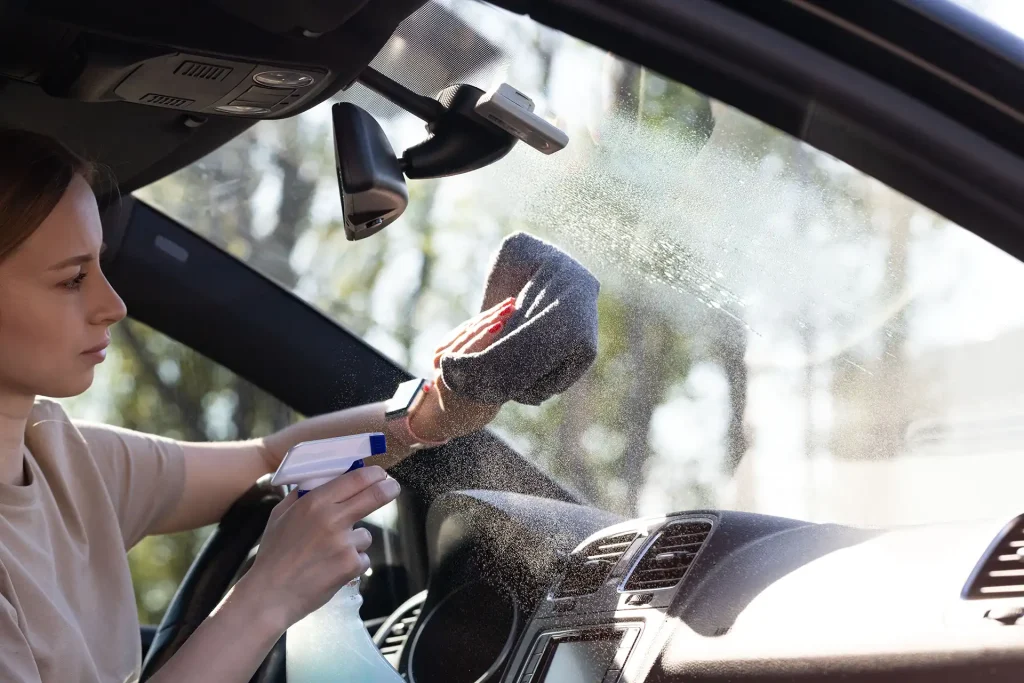
Your car windshield plays a big role in keeping you safe on the road. But have you ever noticed how smudges, dust, or streaks on the inside glass can make driving harder and even dangerous?
Cleaning the inside of your car windshield might seem tricky, but with the right tips, you can make it spotless in no time. If you want clearer vision and a more comfortable drive, keep reading—because your next drive deserves a crystal-clear windshield!
Tools You Need
Cleaning the inside of your car windshield needs the right tools. Using proper items makes the job easier and more effective. It helps remove dirt, dust, and smudges without leaving streaks.
Prepare these essential tools before starting. They ensure a clear view and safer driving.
Cleaning Solutions
Choose a good cleaning solution made for glass. Avoid ammonia-based products as they can damage window tint. A mixture of water and vinegar works well and is gentle. Spray the solution lightly to avoid drips and spots.
Microfiber Cloths
Microfiber cloths are soft and absorbent. They clean without scratching the glass. Use separate cloths for cleaning and drying. This prevents spreading dirt back on the windshield. Wash the cloths often to keep them clean.
Scrapers And Brushes
Use a plastic scraper to remove stuck-on grime. Be gentle to avoid scratching the glass. A small brush helps clean corners and edges. These tools reach places a cloth cannot. Keep them clean to avoid adding dirt during cleaning.

Credit: www.slashgear.com
Preparing Your Car
Preparing your car before cleaning the inside of the windshield makes the process easier and more effective. Taking a few simple steps helps protect your vehicle and ensures a thorough clean. Proper preparation saves time and avoids damage.
Park In A Shaded Area
Choose a shaded spot to park your car. Sunlight can dry cleaning solutions too fast. This causes streaks and spots on the glass. Shade keeps the windshield cool and makes cleaning smoother. It also protects you from direct sun while working.
Gather Supplies
Collect all materials needed before starting. Common supplies include:
- Glass cleaner or a vinegar-water mix
- Microfiber cloths or lint-free towels
- Spray bottle
- Bucket of warm water
- Soft brush or sponge
Having everything ready prevents interruptions. It also helps keep the cleaning process neat.
Protect Dashboard And Seats
Cover your dashboard and seats with old towels or cloths. Cleaning sprays can drip and cause stains or damage. Protecting surfaces keeps your car interior safe. It also makes cleanup easier after the windshield is clean.
Removing Dust And Debris
Removing dust and debris from the inside of your car windshield is a crucial step to ensure clear visibility while driving. Dust particles may seem harmless, but they can create a hazy film that blurs your view, especially when sunlight hits the glass. Taking time to clear this buildup not only improves safety but also enhances your overall driving experience.
Dry Dusting Techniques
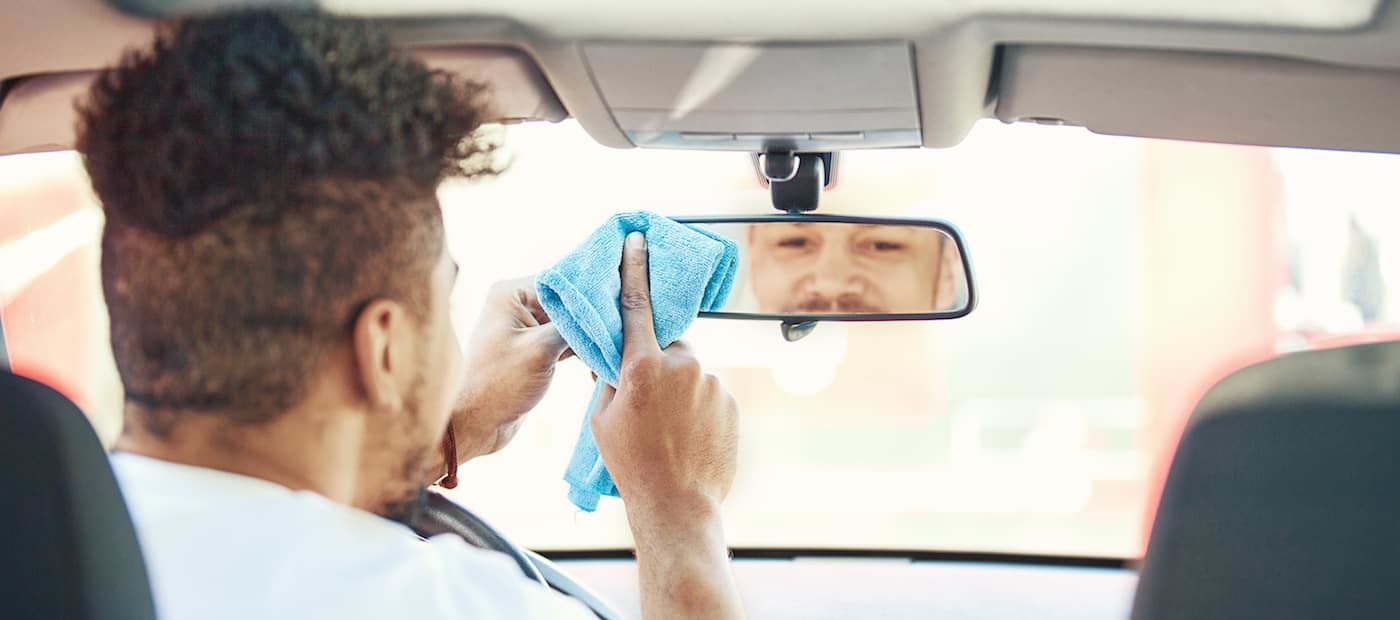
Start with a clean microfiber cloth designed for glass surfaces. These cloths trap dust instead of pushing it around, making your job easier and preventing scratches.
Gently wipe the inside of the windshield in a circular motion to lift dust without spreading it. Avoid using paper towels or rough fabrics that can leave lint behind or scratch the glass.
Have you noticed how dust settles in corners and edges? Use a soft-bristled brush or a foam paintbrush to reach those tight spots before wiping with your cloth. This small extra step can make a big difference in overall cleanliness.
Using A Vacuum For Loose Dirt
Loose dirt and debris can accumulate on the dashboard near the windshield, and some of it can transfer onto the glass. Using a handheld vacuum with a brush attachment helps remove these particles without scratching the surface.
Move the vacuum slowly along the dashboard and windshield edges to suck up dust and crumbs effectively. Be cautious not to press too hard to avoid damaging delicate trims.
Have you tried this approach before cleaning the glass itself? It’s a simple way to reduce the amount of dust you’ll have to wipe off later, making your cleaning process quicker and more thorough.
Credit: www.ronmacgillivraychev.com
Applying Cleaning Solution
Applying the cleaning solution correctly is key to a spotless car windshield inside. This step breaks down dirt, grease, and film that block your view. Use the right technique and product for safe, effective cleaning.
Choosing The Right Cleaner
Select a cleaner made for glass surfaces. Avoid harsh chemicals that can damage your dashboard or leave streaks. Look for:
- Ammonia-free formulas to protect tint and plastic
- Anti-fog properties for clearer visibility
- Eco-friendly options for safer use inside your car
Using a gentle, effective cleaner makes wiping easier and faster.
Spraying Evenly
Hold the spray bottle about 6 to 8 inches from the glass. Spray a light, even mist across the entire windshield. Avoid soaking the edges to protect electronics and materials inside.
Cover all areas but do not overapply. Too much liquid can drip and cause streaks. Even spraying helps you clean every inch without waste.
Wiping The Windshield
Cleaning the inside of your car windshield removes dust and smudges that block your view. Use a soft cloth with glass cleaner for a clear, streak-free finish. Regular wiping keeps your windshield safe and easy to see through.
Wiping the windshield effectively is key to maintaining clear visibility while driving. Dirt and grime can easily build up on the inside of your windshield. Regular cleaning ensures a spotless view and enhances safety. There are two main techniques to consider for a thorough clean.
Circular Motion Method
Use a microfiber cloth for this method. Begin in the center of the windshield. Move the cloth in small circles. This technique lifts dirt and prevents streaks. Circular motions reach every corner. Repeat the process until the glass shines. The microfiber material traps dust and grease. It’s gentle on the glass, avoiding scratches.
Top To Bottom Technique
Start at the top of the windshield. Use vertical strokes, moving downward. This approach ensures no streaks are left behind. Work from one side to the other. A clean cloth helps in achieving a spotless finish. Ensure the cloth remains dry for best results. This method is simple and effective. It covers large areas quickly, ensuring efficiency.
Dealing With Stubborn Stains
Stubborn stains on your car’s inside windshield can be frustrating. They not only block your view but also make your car feel less clean. Tackling these marks requires a bit more than just wiping with a cloth. Let’s explore some practical ways to get your glass crystal clear again.
Using Vinegar Or Alcohol
Vinegar and alcohol are powerful allies against tough grime. Both break down oily residues and fingerprints that regular cleaners often miss. Mix equal parts of white vinegar and water in a spray bottle, or use rubbing alcohol straight for a stronger effect.
Spray the solution onto a microfiber cloth, not directly on the glass, to avoid drips. Wipe in circular motions, applying a bit of pressure on stubborn spots. You’ll notice the haze disappearing quickly, leaving the glass streak-free.
Have you ever wondered why these household items work so well? Their acidic and solvent properties cut through the film that accumulates inside your windshield, making cleaning easier and faster.
Scraping Off Residue Safely
Sometimes, stains stick on so firmly that wiping won’t do the trick. In such cases, scraping off the residue carefully is your best bet. Use a plastic scraper or a razor blade held at a very shallow angle to prevent scratching the glass.
Before starting, wet the area with your cleaning solution to soften the grime. Gently scrape small sections at a time, checking your progress frequently. If you feel resistance, spray more liquid and wait a minute—rushing can damage your windshield.
What’s your experience with scraping? Many avoid it fearing scratches, but with the right tools and technique, it’s a safe and effective method to restore your windshield’s clarity.
Drying And Polishing
Drying and polishing your car’s windshield after cleaning is crucial to achieve a clear, streak-free view. It’s the final step that can make or break your cleaning effort. Skipping this stage or doing it poorly often leaves annoying smudges and water spots that reduce visibility.
Using A Dry Microfiber Cloth
Choose a clean, dry microfiber cloth because it’s gentle and highly absorbent. Avoid using paper towels or rough fabrics that can scratch the glass or leave lint behind. Gently wipe the windshield in a circular motion to soak up any remaining moisture without pressing too hard.
Microfiber cloths trap dirt and water particles effectively. If you notice the cloth getting dirty, switch to a clean section or use a fresh cloth to prevent streaks. Have you ever tried drying with a regular cloth and ended up with a foggy mess? This simple switch can save you that frustration.
Ensuring A Streak-free Finish
Streaks happen when dirt, residue, or moisture isn’t fully removed. To avoid this, use a clean, dry microfiber cloth and move it consistently in one direction—either vertical or horizontal. This technique helps you spot missed spots and prevents uneven drying.
Try drying your windshield in the shade rather than direct sunlight. Heat speeds up drying but can cause cleaner residues to dry too fast, leaving streaks. If you spot any streaks after drying, lightly buff them out with a clean, dry cloth until the glass shines clear.

Credit: www.reddit.com
Maintaining A Clear Windshield
A clean inside windshield improves visibility and safety while driving. Use a soft cloth with a glass cleaner to wipe away dust and smudges gently. Avoid harsh chemicals that can leave streaks or damage the glass.
Maintaining a clear windshield is crucial for safe driving. A clean windshield ensures better visibility and prevents distractions. Dirt and grime can obstruct your view and increase the risk of accidents. Regular maintenance helps keep the windshield in top condition.
Regular Cleaning Schedule
Establish a routine to clean your windshield. Aim for cleaning every two weeks. Use a microfiber cloth to avoid scratches. Spray a glass cleaner and wipe in circular motions. Clean both the inside and outside surfaces. Regular cleaning prevents stubborn stains and buildup.
Avoiding Common Mistakes
Avoid using paper towels; they leave lint behind. Don’t apply too much pressure while wiping. This can cause streaks. Never clean in direct sunlight; it causes cleaner to dry too fast. Do not use ammonia-based cleaners; they can damage the tint. Always use a fresh cloth to prevent spreading dirt.
Frequently Asked Questions
How Do I Clean The Inside Of A Car Windshield Effectively?
Use a microfiber cloth with a glass cleaner or a vinegar-water mix. Wipe in circular motions to remove dirt and streaks. Avoid ammonia-based cleaners as they can damage tint or dashboard materials.
What Is The Best Product For Cleaning Car Windshields Inside?
A non-ammonia glass cleaner or homemade vinegar and water solution works best. These options clean without leaving residue or damaging interior surfaces. Always test on a small area before full application.
How Often Should I Clean The Inside Of My Windshield?
Clean the inside of your windshield every 2-4 weeks. Regular cleaning prevents buildup of grime and improves visibility. Frequency depends on driving conditions and exposure to pollutants.
Can I Use Household Glass Cleaners On My Car Windshield Inside?
Avoid ammonia-based household cleaners as they may damage tint or dashboard. Opt for automotive-specific glass cleaners or gentle homemade solutions for safe and effective cleaning.
Conclusion
Cleaning your car windshield inside keeps your view clear and safe. Use soft cloths and gentle cleaners to avoid scratches. Regular cleaning stops dirt and fog from building up. Take your time and reach all corners for the best results.
A clean windshield helps you drive with confidence every day. Keep this habit often to enjoy a clearer, safer ride. Simple steps make a big difference in your driving experience. Try it today and notice the improvement immediately.