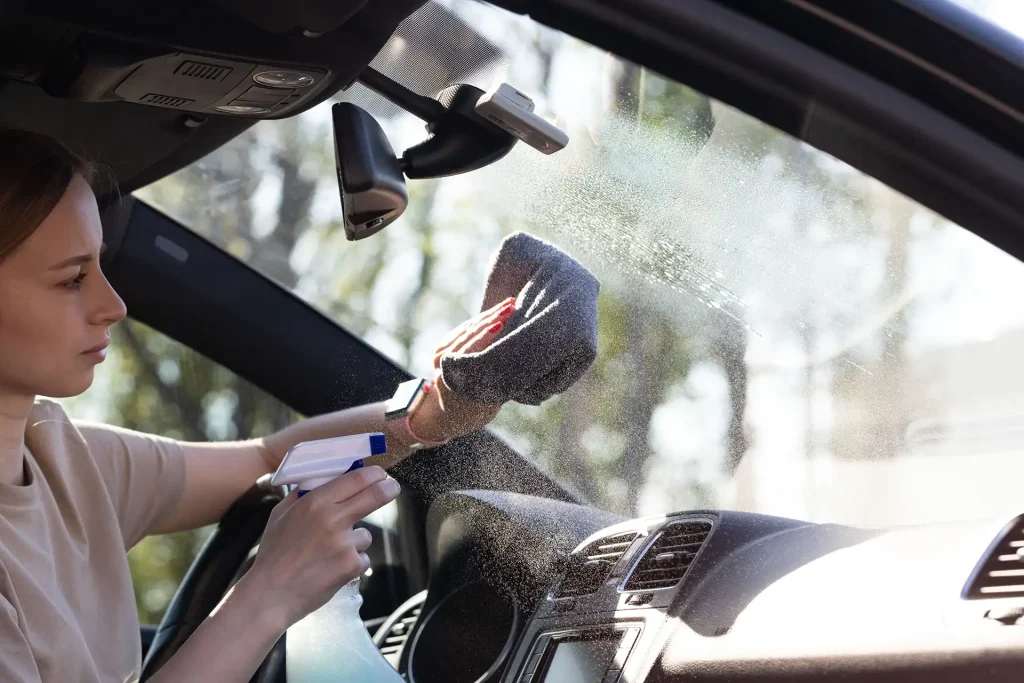
Are your car windows looking foggy or streaky from the inside? Cleaning them might seem tricky, but it doesn’t have to be.
When you wash your car windows inside the right way, you get clearer views and a safer drive. Imagine easily removing all that grime and smudges without leaving annoying streaks behind. In this guide, you’ll discover simple, effective steps to make your car windows spotless and crystal clear.
Keep reading—your car’s interior will thank you!
Preparing Your Materials
Cleaning the inside of your car windows needs the right materials. Without proper tools and cleaners, the job gets harder. Preparing your materials first saves time and gives a clear finish. It also stops streaks and smudges from forming on the glass. Focus on choosing the best cleaner and the right cloths for the job.
Choosing The Right Cleaner
Select a cleaner made for glass surfaces. Avoid harsh chemicals that can damage window tint or car interiors. Look for cleaners that:
- Are ammonia-free to protect tint and plastics
- Evaporate quickly to reduce streaks
- Remove grease, dust, and fingerprints easily
Water mixed with a small amount of vinegar also works well. This natural solution cleans without harmful fumes or residue.
Selecting Suitable Cloths And Tools
Pick soft, lint-free cloths to avoid scratches. Microfiber towels are perfect for glass cleaning. They absorb liquids and trap dirt effectively.
- Use separate cloths for cleaning and drying
- Choose small cloths for tight spots
- Have a soft brush or cotton swabs for corners
A spray bottle helps apply cleaner evenly. A squeegee with a soft edge can also remove excess liquid without scratching.
Cleaning Techniques
Cleaning car windows inside needs care and the right approach. Using effective techniques makes windows clear and safe. These steps help remove dirt and prevent streaks.
Removing Dust And Debris
Start by gently brushing off loose dust. Use a soft microfiber cloth or a small handheld vacuum. Focus on corners and edges where dirt collects. Removing dust first stops scratches during cleaning.
Applying Cleaner Correctly
Choose a cleaner made for glass or a mild soap solution. Spray it onto the cloth, not directly on the window. This prevents drips inside the car. Cover the glass evenly but avoid soaking it.
Wiping For A Streak-free Finish
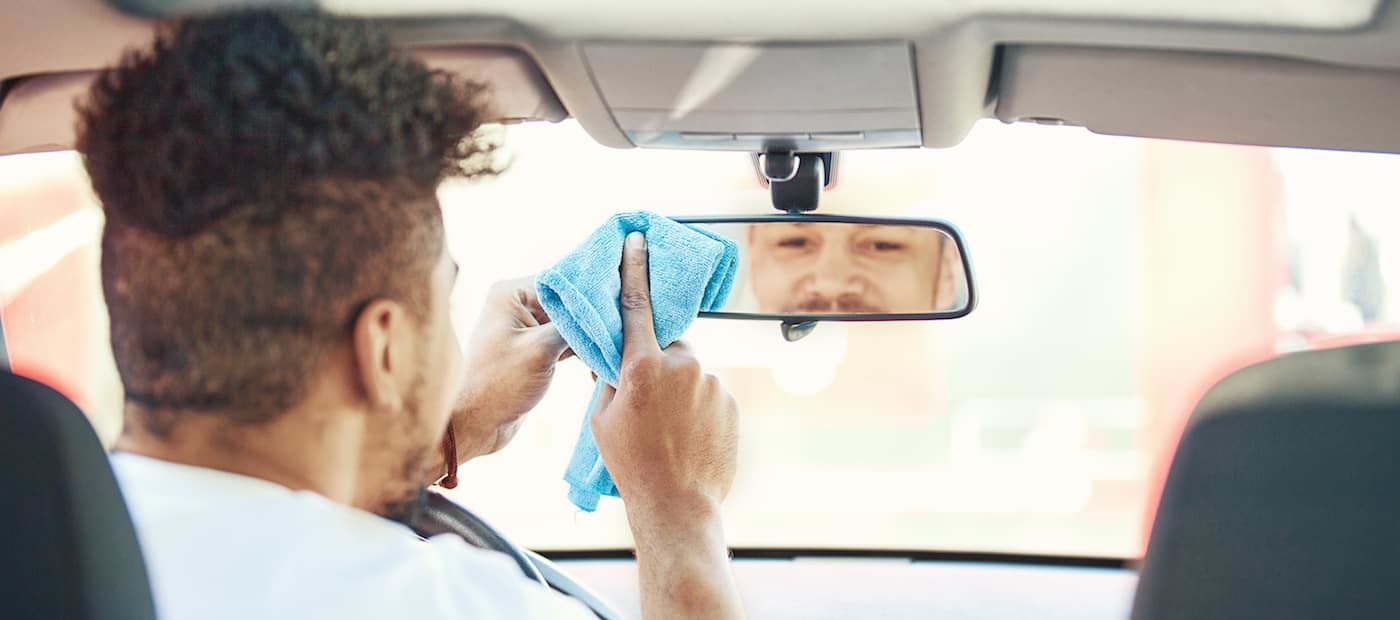
Use a clean, dry microfiber cloth to wipe the window. Move in horizontal or vertical strokes, not circles. Flip the cloth often to avoid spreading dirt. Check the glass from different angles to spot streaks.
Handling Tough Spots
Tough spots on car windows need special care. Dirt, grease, and water marks stick hard. Simple wiping might not work well. These marks can block your view and reduce safety. It is important to clean them properly for clear windows.
Dealing With Grease And Fingerprints
Grease and fingerprints leave oily smudges. Use a microfiber cloth to avoid scratches. Spray a small amount of glass cleaner or diluted vinegar on the cloth, not directly on the glass. Wipe in circular motions to lift grease. For stubborn spots, rub gently but firmly. Repeat if needed until the spot disappears.
Removing Water Spots And Residue
Water spots come from minerals in hard water. They leave white or cloudy marks on the glass. Mix equal parts of white vinegar and water in a spray bottle. Spray on the spots and let sit for a few minutes. Use a soft cloth or sponge to scrub gently. Rinse with clean water and dry with a clean towel. This method breaks down mineral deposits effectively.
Credit: www.ronmacgillivraychev.com
Preventing Common Mistakes
Cleaning your car windows inside might seem straightforward, but small mistakes can leave streaks, damage surfaces, or even make your windows dirtier. Knowing what to avoid can save you time and frustration. Let’s look at key pitfalls that often trip people up and how to steer clear of them.
Avoiding Harsh Chemicals
Many people reach for strong glass cleaners or household solvents without thinking about the effects. Harsh chemicals can eat away at window tint, damage dashboard materials, or leave residue that’s hard to remove.
Stick to products designed specifically for automotive glass or use simple solutions like diluted vinegar and water. If you want a commercial cleaner, check the label for ammonia-free formulas. Your car’s interior surfaces will thank you.
Timing Your Cleaning For Best Results
Have you ever noticed streaks appearing right after cleaning your windows? The timing of your cleaning plays a huge role. Cleaning windows under direct sunlight or when the glass is hot causes cleaners to dry too quickly, leaving marks behind.
Choose a cool, shaded area or clean your windows early in the morning or late afternoon. This gives the cleaner enough time to work without evaporating too fast. You’ll see clearer, streak-free results that last longer.
Maintaining Clean Windows
Clean the inside of car windows with a soft cloth and a gentle glass cleaner. Wipe in circular motions to avoid streaks and ensure clear visibility. Regular cleaning keeps your windows free of dust and smudges.
Maintaining clean car windows is crucial for safe driving and enhancing your vehicle’s appearance. You might not realize how much clearer your view can be until you’ve cleaned the inside of your car windows. Smudges, fingerprints, and a general layer of grime can accumulate over time, obstructing your view and making night driving particularly hazardous. Let’s explore how you can keep your car windows sparkling clean.
Regular Cleaning Schedule
Establishing a regular cleaning schedule is key to maintaining pristine windows. It’s easy to overlook the inside of your car windows, but dedicating a little time each month can make a significant difference. Consider cleaning the windows during your regular car wash routine. This consistency prevents stubborn dirt buildup and ensures you’re always driving with a clear view.
Protecting Windows From Future Dirt
Preventive measures can help keep your windows cleaner for longer. Avoid touching the glass with your fingers, as oils from your skin can create smudges. Using a protective window cleaner can also repel dust and dirt. Some products create a barrier on the glass, minimizing how much grime sticks to the surface. Have you ever noticed how fast your windows get dirty after a fresh clean? A simple habit, like keeping a microfiber cloth in your glove compartment, can make quick touch-ups easy and effective.
Credit: www.youtube.com

Credit: www.youtube.com
Frequently Asked Questions
How Do I Clean Car Windows Without Streaks?
Use a microfiber cloth and a vinegar-water mix. Spray lightly and wipe in circular motions. Avoid direct sunlight to prevent streaks.
What Is The Best Cleaner For Car Windows Inside?
A mix of distilled water and white vinegar works best. It removes grime without leaving residue or damage.
How Often Should I Wash Car Windows Inside?
Clean inside windows every 2-4 weeks. Regular cleaning prevents buildup of dirt, dust, and film for clear visibility.
Can I Use Household Cleaners On Car Windows?
Avoid ammonia-based cleaners; they can damage tint and rubber seals. Use automotive glass cleaners or vinegar solution instead.
Conclusion
Cleaning car windows inside is simple with the right steps. Use a good cleaner and a soft cloth. Wipe carefully to avoid streaks and spots. Don’t forget corners and edges for a clear view. Regular cleaning keeps your windows safe and bright.
Clear windows help you drive better and safer. Try these tips and see the difference yourself. Clean windows make every drive more pleasant and safe. Keep your car fresh and your windows spotless every time.