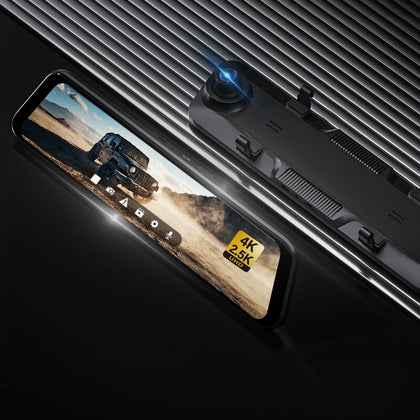
Imagine cruising down the highway, feeling secure knowing you’ve got an extra pair of eyes watching your back—or perhaps your front. Dash cams have become essential gadgets for car owners who want to capture every moment on the road, from scenic drives to unexpected incidents.
But when it comes to choosing between a front or rear dash cam, which one should you prioritize? This decision might feel like standing at a fork in the road, uncertain which path to take. You might wonder, is it more crucial to capture what’s in front of you or what’s behind?
Understanding the benefits and drawbacks of each can save you time, money, and provide peace of mind. Dive into this article and discover which dash cam deserves a spot in your vehicle, ensuring you’re prepared for whatever the road throws your way.

Credit: www.vantrue.com
Dash Cam Basics
Dash cams are small cameras mounted in vehicles. They record the road while driving. Many drivers consider them essential for safety and evidence. They can help in accidents or disputes. Understanding their basic functions is crucial. This section explains the purpose and types of dash cams.
Purpose Of Dash Cams
Dash cams serve several important purposes. They provide video evidence in accidents. This helps resolve disputes quickly. Insurance claims become easier with clear footage. Dash cams also deter theft or vandalism. They capture everything around your car. This can protect you from false claims.
Types Of Dash Cams
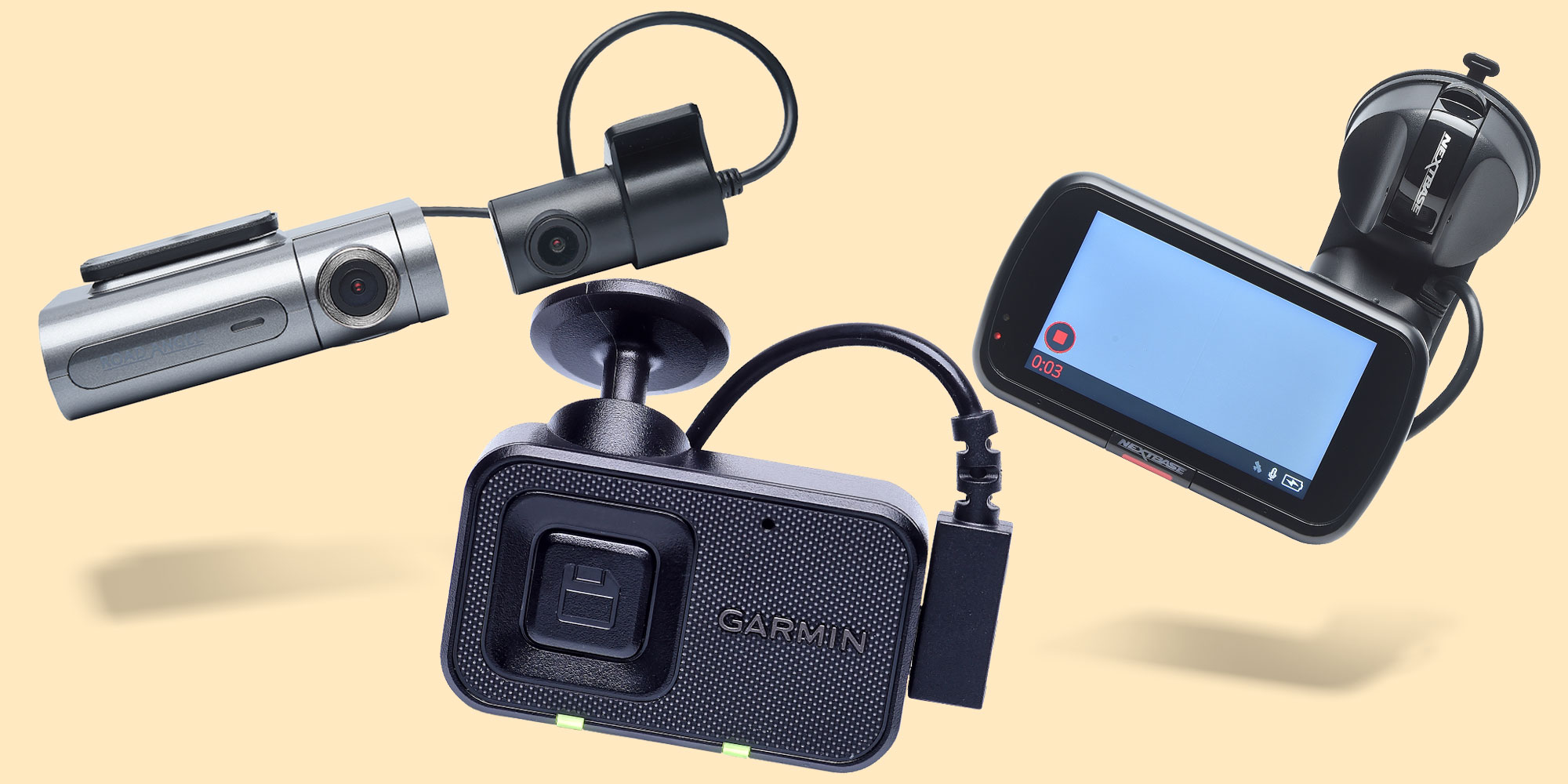
There are various types of dash cams available. Front dash cams record the road ahead. They capture incidents from the driver’s perspective. Rear dash cams record the back view. This helps in rear-end collisions. Dual dash cams cover both front and rear views. They offer complete coverage. Some dash cams come with additional features. These include GPS tracking and night vision. Each type serves different needs and preferences.
Benefits Of Front Dash Cams
A front dash cam captures vital road events, providing crucial evidence during accidents. It enhances driving safety by recording traffic conditions.
Front dash cams offer significant advantages for drivers. They provide a clear view of the road ahead, capturing crucial details during your drive. This can be essential for safety, insurance claims, and peace of mind. Front dash cams are becoming an essential tool for modern drivers.
Capturing Road Incidents
Front dash cams record everything in front of the vehicle. This is vital during accidents or unexpected events. They capture video evidence, which can be used for insurance or legal purposes. Having clear footage can help establish fault or innocence. This saves time and money in disputes.
Monitoring Driving Habits
Front dash cams also help in monitoring driving habits. They provide insights into how safely and efficiently you drive. Reviewing footage can reveal areas for improvement. This is useful for new drivers learning the ropes. It also helps experienced drivers refine their skills.
Advantages Of Rear Dash Cams
Rear dash cams capture incidents from behind, offering a complete view of accidents. They provide crucial evidence in hit-and-run scenarios. These cams enhance safety by deterring tailgating and rear-end collisions.
Rear dash cams might not be as popular as their front-facing counterparts, but they offer unique advantages that are worth considering. As drivers, we often focus on what’s happening in front of us, but the rear view can be just as critical. By equipping your vehicle with a rear dash cam, you enhance your driving experience and add an extra layer of security.
Recording Rear Collisions
Rear-end collisions are among the most common types of accidents. A rear dash cam provides indisputable evidence in such scenarios, capturing the incident as it unfolds. Imagine driving home after a long day and suddenly feeling a jolt from behind. With a rear dash cam, you have a detailed account of the event. This footage can be crucial when dealing with insurance claims or police reports. It ensures that you have proof of what occurred, which can save you from being wrongly blamed.
Supporting Parking Safety
Parking can be a challenge, especially in tight spaces or busy areas. A rear dash cam acts as your extra set of eyes, helping you navigate tricky parking situations. It records any mishaps, like a careless driver bumping into your car while it’s parked. Have you ever returned to your car to find a mysterious dent or scratch? A rear dash cam can provide clarity, capturing the culprit in action. This not only aids in making insurance claims but also holds people accountable for their actions. Equipping your vehicle with a rear dash cam can give you peace of mind, knowing that both the front and rear of your car are covered. Have you ever considered how a small investment in a rear dash cam could save you from significant stress and expense in the future?
Credit: www.which.co.uk
Comparison Of Features
Choosing between a front or rear dash cam depends on your needs. Front dash cams capture incidents ahead, crucial for accidents. Rear dash cams provide evidence for rear-end collisions. Both offer valuable protection, but priorities vary based on driving habits and environments.
Comparison of Features Choosing between a front and rear dash cam can be challenging. Understanding the features of each helps make an informed decision. This section breaks down the key aspects like video quality and field of view. These features are crucial in determining which dash cam suits your needs better.
Video Quality
Video quality is vital for capturing clear footage. Front dash cams often offer higher resolution. They focus on recording detailed images of the road ahead. A clearer video helps in identifying license plates and road signs. Rear dash cams may have lower resolution. They focus on capturing the rear view effectively.
Field Of View
Field of view determines the area covered by the camera. Front dash cams usually have a wide field of view. They cover a broad area in front of the vehicle. This is useful for capturing more details of traffic and surroundings. Rear dash cams have a narrower field of view. They focus on the immediate area behind the car. This helps in monitoring close proximity activities.
Installation Considerations
Installing a dash cam involves several considerations. Whether you choose a front or rear dash cam, understanding the installation process is crucial. Installation ease and power source options play significant roles in your decision.
Ease Of Installation
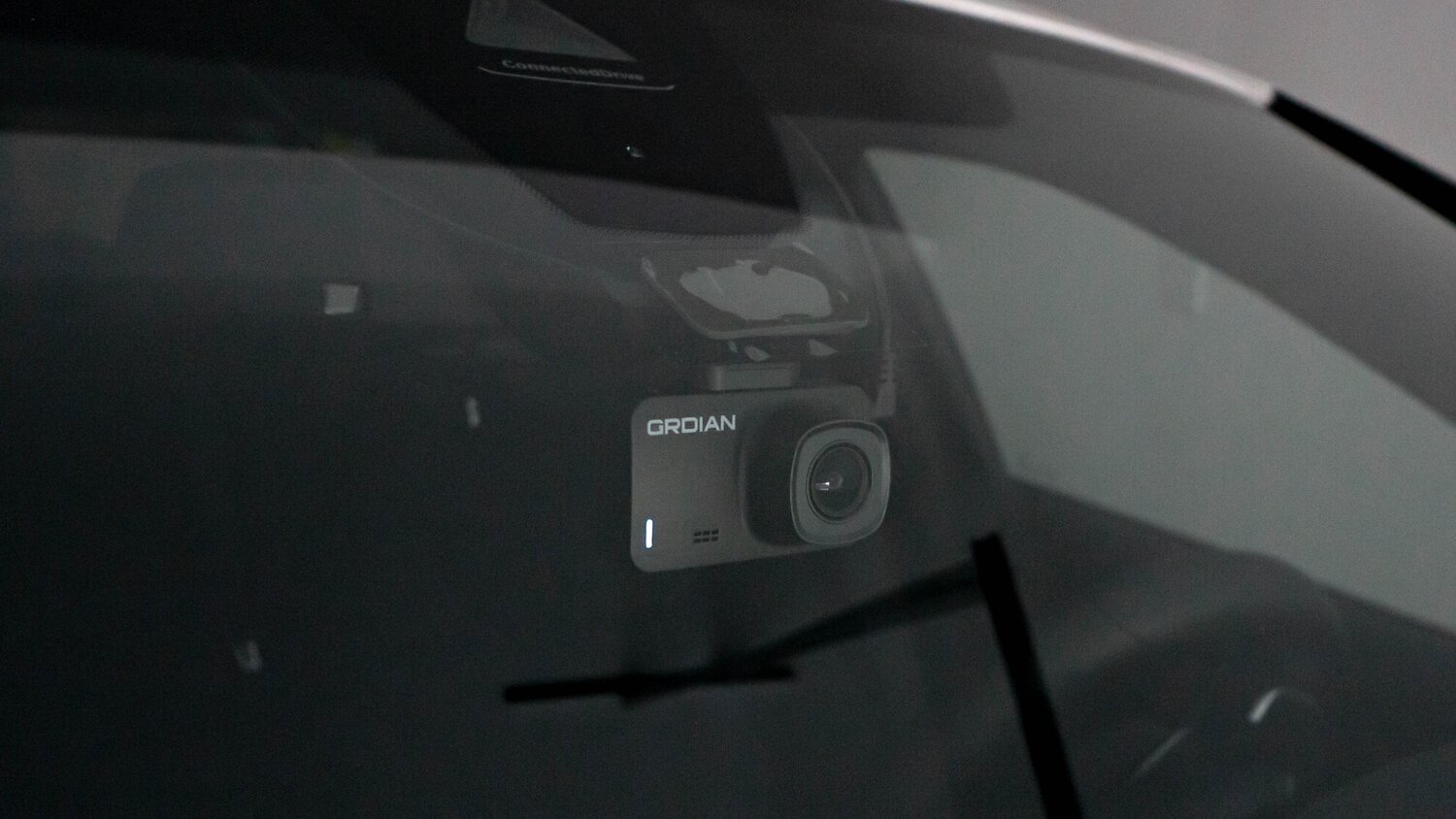
Front dash cams often come with straightforward installation. They usually attach to the windshield with suction or adhesive mounts. This allows easy access and positioning. Rear dash cams can be more complex. They require routing cables from the front to the back of the car. This might involve removing panels or trim, requiring more effort and time.
Power Source Options
Dash cams typically need a reliable power source. Front dash cams can connect to the vehicle’s cigarette lighter socket. This offers a convenient plug-and-play option. Rear dash cams may need hardwiring to the vehicle’s fuse box. This ensures continuous power supply but requires technical knowledge. Some dash cams offer battery-powered options, providing flexibility and ease of use.
Cost And Value
When deciding between a front or rear dash cam, cost and value play a crucial role. These devices are invaluable for capturing driving incidents, but understanding their pricing and benefits can guide your choice.
Price Range
Dash cams vary significantly in price, often influenced by features and brand reputation. A basic front dash cam might start at around $50, offering essential recording capabilities. In contrast, high-end models can exceed $200, boasting HD resolution, GPS tracking, and night vision.
Rear dash cams tend to be slightly more expensive due to their added complexity and installation needs. For a reliable rear cam, you might find yourself spending between $100 and $300, especially if it includes advanced features like motion detection and wide-angle lenses.
Long-term Benefits
Investing in a dash cam isn’t just about immediate savings; it’s about long-term value. Think about the peace of mind it provides during disputes or accidents. A front dash cam might be enough to capture crucial footage of incidents ahead, potentially saving you from hefty insurance premiums.
However, a rear dash cam can be equally important. Imagine reversing into a tight spot or being hit from behind; having that extra coverage could save you hundreds in repairs. Plus, many insurance companies offer discounts for vehicles equipped with dual dash cams, making them a wise long-term investment.
So, which is more important for you? Assess your driving habits and consider if the added security of a rear cam justifies the cost. The value of footage captured when you least expect it can outweigh the initial expense.
User Testimonials
User testimonials often highlight the value of front dash cams for capturing traffic incidents. Many drivers find rear dash cams equally essential for recording rear-end collisions. Both provide crucial evidence, enhancing safety and accountability on the road.
User testimonials offer valuable insights into the real-world benefits of dash cams. These stories help potential buyers understand the importance of front and rear dash cams. They reveal experiences that highlight the advantages and preferences of users.
Real-life Experiences
Many drivers share how dash cams have assisted them. For instance, some report capturing crucial evidence during accidents. One user mentioned how their front dash cam recorded a collision, proving their innocence. Others talk about avoiding fraudulent claims thanks to rear dash cam footage. Dash cams often provide peace of mind. Users express feeling more secure knowing incidents are recorded. A parent shared how a rear dash cam helped monitor their teen’s driving. These real-life stories demonstrate the practical benefits of having dash cams.
Common Preferences
User preferences vary, but certain trends emerge. Some drivers prefer front dash cams for traffic monitoring. They find it essential for recording what happens on the road ahead. Others prioritize rear dash cams for backing up and parking assistance. There’s a growing interest in dual dash cam setups. Many appreciate having comprehensive coverage with both front and rear views. This setup captures more angles, enhancing safety and security. Users often recommend dual setups for the best protection. Understanding these preferences aids in making informed decisions. Testimonials provide clarity on what might suit your needs. Whether front or rear, dash cams offer undeniable benefits.
Making The Decision
Choosing between a front or rear dash cam depends on your needs. Front dash cams capture accidents ahead, providing crucial evidence. Rear dash cams help monitor tailgaters and parking incidents. Both are important for comprehensive coverage, but prioritizing depends on your driving environment and concerns.
Making the Decision Choosing between a front or rear dash cam can feel like a daunting task. With so many options and features available, how do you determine what’s best for you? Let’s break it down into two essential aspects: evaluating your needs and considering your budget.
Evaluating Needs
Think about your daily driving routine. Do you often find yourself in heavy traffic or parking in crowded areas? A front dash cam is crucial for recording incidents that occur while driving. If you’re more concerned about what happens when your car is parked, a rear dash cam can capture potential hit-and-runs or vandalism. Consider your specific circumstances and which camera would offer the most peace of mind.
Budget Constraints
Budget is a significant factor in any purchasing decision. Quality dash cams can range from affordable to quite pricey. While a dual dash cam system can provide comprehensive coverage, it might not fit every budget. Start by determining how much you’re willing to spend. You might find that a single, high-quality camera is more valuable than two lower-quality ones. Remember, investing in a reliable dash cam can save you money on potential repairs or insurance claims down the line. What features are must-haves for you, and which ones can you live without? Identifying these can help you make a smart purchase without breaking the bank.
Credit: www.grdian.com
Frequently Asked Questions
Is It Better To Have Front And Rear Dash Cam?
Yes, having front and rear dash cams offers comprehensive coverage. They enhance safety, provide evidence in accidents, and deter theft. This setup captures incidents from multiple angles, ensuring complete documentation. Investing in both cameras can offer peace of mind and protection on the road.
Is It Worth Having A Rear Facing Dash Cam?
Yes, a rear-facing dash cam can capture valuable footage during accidents or theft. It enhances vehicle security and provides evidence. These cams help monitor rear traffic, aiding in insurance claims. They offer peace of mind, making them worth the investment for comprehensive road safety.
Do I Have To Tell Cops I Have A Dash Cam?
You aren’t legally required to inform police about a dash cam. It’s your personal property. Disclose it if comfortable. Dash cam footage can be useful for evidence, so consider mentioning it if it supports your case. Always comply with local laws regarding recording in public spaces.
What Is The Downside Of A Dashcam?
Dashcams can be costly, especially high-quality models. They may distract drivers or create privacy concerns. Installation and maintenance require time and effort. Some models lack night vision capabilities. Legal restrictions can apply to dashcam use in certain areas.
Conclusion
Choosing between a front or rear dash cam depends on your needs. Both offer valuable benefits for drivers. Front dash cams capture road incidents directly ahead. Rear dash cams monitor traffic behind you. Consider your driving habits and environment. City driving may need front coverage.
Rear cams help in parking and reversing. Budget plays a role too. Some prefer dual dash cams for complete protection. Remember, any dash cam enhances safety. Making roads safer for everyone. Both options provide peace of mind on your journeys.
Choose wisely for your driving style and safety concerns.