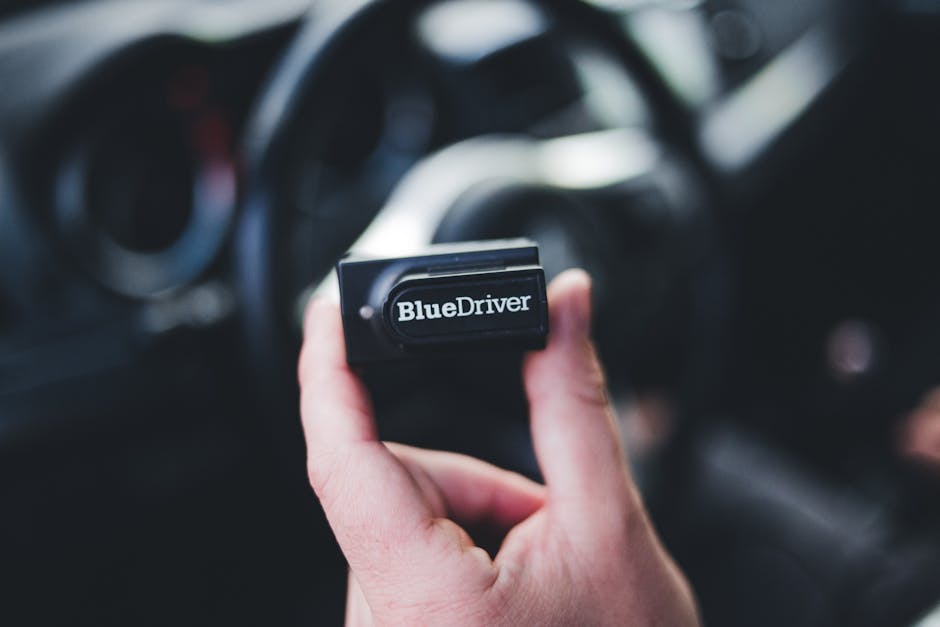
Are you tired of the check engine light glaring at you every time you start your car? Wondering what it means and how you can fix it without spending a fortune at the mechanic?
The answer might be in your hands: an OBD2 EOBD Scanner. With an easy-to-use manual, this tool can transform how you understand and maintain your vehicle. Imagine having the power to diagnose issues in real-time, ensuring your car runs smoothly and safely.
In this guide, you’ll discover how to master your OBD2 EOBD Scanner, unlocking the secrets that lie under your hood. Get ready to take control and keep your car in top shape, all from the comfort of your driveway.
Understanding Obd2 And Eobd Systems
Understanding OBD2 and EOBD systems helps in diagnosing vehicle issues. An OBD2 EOBD scanner manual guides users through troubleshooting steps, making it easier to interpret diagnostic codes and maintain vehicle health efficiently.
Understanding OBD2 and EOBD Systems Navigating the world of car diagnostics can be daunting, especially with terms like OBD2 and EOBD floating around. However, understanding these systems can save you time and money. They are essential for monitoring your vehicle’s health and emissions.
History And Evolution
The journey of OBD2 and EOBD systems began in the 1980s. Initially, OBD (On-Board Diagnostics) systems were created to help technicians diagnose vehicle problems. As technology advanced, OBD2 emerged in the mid-1990s in the United States, standardizing the protocol for all cars and light trucks. EOBD (European On-Board Diagnostics) systems followed suit, becoming mandatory in Europe in 2001 for petrol cars and 2003 for diesel. This evolution was driven by the need for better emission control and vehicle efficiency. It marked a significant leap in ensuring cars met environmental regulations globally.
Key Differences Between Obd2 And Eobd
While OBD2 and EOBD serve similar purposes, they cater to different regions. OBD2 is primarily used in the United States, whereas EOBD is the European counterpart. Despite their regional differences, both systems focus on monitoring emissions and ensuring compliance with regulations. One notable difference lies in the regulations they adhere to. OBD2 complies with U.S. EPA standards, while EOBD follows European standards. This means that a vehicle compliant with one system might not automatically comply with the other. Understanding these differences can help you ensure your vehicle is equipped for travel across different regions. Are you prepared for a road trip across continents? Knowing your car’s diagnostic system could be the first step.

Credit: manuals.plus
Components Of Obd2 Eobd Scanners
The manual for OBD2 EOBD scanners outlines essential components like the diagnostic connector and cable. It details the software interface, providing instructions for accessing vehicle data and codes. Users gain insights into sensor readings, engine performance, and troubleshooting alerts efficiently.
The components of OBD2 EOBD scanners are crucial for car diagnostics. These tools help identify and solve vehicle issues efficiently. Understanding their parts can enhance their usage.
Hardware Essentials
OBD2 EOBD scanners consist of important hardware elements. The main unit is the handheld device. It connects to the car’s diagnostic port. The cable is another vital component. It links the scanner to the vehicle. A screen displays diagnostic information. Most scanners have buttons for navigation. Some models have wireless connectivity. This allows easy access without cables. Power supply is also necessary. Most devices use batteries or car power.
Software Features
Software is essential in OBD2 EOBD scanners. It interprets the car’s data. Built-in programs offer various features. Most software updates automatically. This keeps the scanner compatible with new car models. Error codes are translated into readable messages. Many devices offer real-time data monitoring. Some scanners can save previous diagnostics. This helps track recurring issues. Advanced software can suggest repair solutions. Compatibility with different vehicles is important. The user interface should be simple. This ensures easy navigation and understanding.
Connecting Your Scanner
Easily connect your OBD2 EOBD scanner by plugging it into your vehicle’s diagnostic port. Follow the manual’s instructions to establish a clear connection. Ensure your car is off during setup to avoid errors.
Connecting your OBD2 EOBD scanner to your vehicle is essential. It allows you to diagnose problems and understand your car’s health. Follow these steps to make the process simple and efficient.
Locating The Port
The OBD2 port is usually under the dashboard. Check near the driver’s seat. Look for it around the steering column. Some cars have it near the glove compartment. Others place it near the center console. Use a flashlight if visibility is poor. This helps you find the port quickly.
Establishing A Connection
Once you locate the port, plug in your scanner. Ensure the scanner fits snugly. Turn on your vehicle’s ignition. This powers the scanner and starts communication. Wait for the scanner display to light up. You may see instructions on the screen. Follow them to connect properly.

Credit: device.report
Reading Diagnostic Trouble Codes
Understanding your Obd2 Eobd scanner manual is key to reading diagnostic trouble codes. It helps identify vehicle issues accurately, ensuring efficient troubleshooting. Clear instructions guide you through the process, making car maintenance simpler.
Reading diagnostic trouble codes from an OBD2 EOBD scanner can be empowering. It allows car owners to understand their vehicle’s health without a mechanic. This process involves connecting the scanner to the car’s OBD2 port. Once connected, the scanner reads codes stored in the car’s computer. These codes can indicate various issues, from minor to serious. Understanding these codes is crucial for proper vehicle maintenance.
Interpreting Code Types
OBD2 codes come in different types, each with a specific purpose. The codes start with a letter, followed by four digits. The letter represents the system, like “P” for powertrain. The first digit indicates if it’s a generic or manufacturer-specific code. The remaining digits provide details about the specific issue. Knowing these differences helps in accurate diagnosis.
Common Codes And Their Meanings
Some codes appear more frequently than others. Here are a few common ones:
- P0300:Random or multiple cylinder misfire detected. This may affect engine performance.
- P0420:Catalyst system efficiency below threshold. Usually related to the catalytic converter.
- P0171:System too lean. The engine is getting too much air or not enough fuel.
- P0455:Evaporative emission system leak detected. This might be a loose gas cap or a more serious leak.
Understanding these codes aids in addressing the root cause quickly. This knowledge can save time and money on repairs.
Advanced Diagnostic Functions
Advanced diagnostic functions in the Obd2 Eobd Scanner Manual guide users through vehicle system checks. It helps identify issues like engine faults, emissions problems, and sensor malfunctions. This tool offers detailed insights to improve vehicle performance and safety.
Understanding the advanced diagnostic functions of an Obd2 Eobd scanner can elevate your vehicle maintenance skills to a whole new level. These functions go beyond basic trouble codes and offer deeper insights into your car’s performance. They empower you to make informed decisions, saving both time and money. Here, we delve into two critical aspects: live data monitoring and freeze frame data analysis.
Live Data Monitoring
Live data monitoring allows you to see how your vehicle is performing in real time. It’s like having a window into the heart of your car. You can monitor everything from engine RPM to fuel system status, and even the oxygen sensor readings. Imagine you’re driving and your check engine light comes on. With live data monitoring, you can instantly check which system is triggering the warning. This empowers you to assess the severity of the issue before deciding whether to pull over or continue driving. Live data is especially useful when troubleshooting intermittent problems. By watching the data as you drive, you can pinpoint the exact conditions when an issue occurs.
Freeze Frame Data Analysis
Freeze frame data captures a snapshot of your vehicle’s parameters at the moment a fault is detected. It’s like a photograph that provides context to the error code. This feature can be a game changer for diagnosing issues that arise only under specific conditions. Let’s say your vehicle’s engine misfires but only when accelerating on a hill. Freeze frame data can reveal the exact engine load, speed, and temperature at the time of the misfire. This information is invaluable for accurately diagnosing the problem. One common mistake is ignoring freeze frame data after reading trouble codes. Remember, the environment when the fault occurred can provide clues that the code alone cannot. How often do you find yourself puzzled by your car’s check engine light? With the advanced functions of an Obd2 Eobd scanner, you can become your own detective, solving mysteries that once required a trip to the mechanic.
Resetting And Reprogramming
Discover how to reset and reprogram your vehicle with an OBD2 EOBD scanner manual. This guide simplifies the process, helping you fix errors and improve performance efficiently.
Resetting and reprogramming your OBD2 EOBD scanner can feel like navigating a new world, but it’s an essential skill for maintaining your vehicle’s health. These functions not only help in clearing diagnostic trouble codes but also allow you to update your car’s systems. Understanding these capabilities can save you a trip to the mechanic and empower you to take charge of your vehicle’s performance.
Clearing Codes
When your check engine light pops on, your first instinct might be panic. But with an OBD2 EOBD scanner, clearing these codes is straightforward. Plug your scanner into the vehicle’s OBD port, typically found beneath the dashboard. Navigate the scanner’s menu to find the ‘Erase Codes’ option. Press it, and your vehicle’s computer will forget those pesky error codes. However, ensure you address any underlying issues before clearing codes to avoid future problems. Have you ever cleared a code only to have it reappear? It might be a clue to a persistent issue that needs attention.
Reprogramming Functions
Beyond clearing codes, some scanners offer reprogramming capabilities. This function is like giving your car a software update, improving performance or addressing specific issues. Whether you’re adjusting fuel settings or updating the ECU, reprogramming can be a game-changer. First, ensure your scanner supports reprogramming for your vehicle model. Follow the manufacturer’s instructions carefully—missing a step could lead to more harm than good. Are you ready to unlock your car’s full potential with a simple reprogramming tweak? Take it one step at a time, and don’t hesitate to seek expert advice if needed.
Troubleshooting Common Issues
Understanding the Obd2 Eobd scanner manual helps solve common car diagnostic issues. Follow the manual to connect and read error codes. It simplifies troubleshooting by guiding you through potential problems and solutions.
Troubleshooting common issues with your OBD2 EOBD scanner can save you time and frustration. Whether you’re a seasoned pro or a DIY enthusiast, understanding these problems can enhance your experience. Let’s dive into some of the most frequent challenges users face and how to resolve them effectively.
Connection Problems
Connection issues can be a major roadblock when using an OBD2 EOBD scanner. If your device isn’t connecting, start by checking the physical connection. Ensure the OBD2 connector is securely plugged into your vehicle’s diagnostic port. Power issues often masquerade as connection problems. Confirm that your scanner is powered, either through the car’s battery or an external source. If the scanner still doesn’t connect, try restarting both the vehicle and the scanner. Sometimes, compatibility can be the culprit. Check if your scanner is compatible with your vehicle’s make and model. If in doubt, consulting the user manual or the manufacturer’s website can provide clarity.
Reading Errors
Reading errors can be frustrating, especially when you’re trying to diagnose your vehicle’s health. One common issue is incorrect data display. Ensure the scanner is set to the correct protocol for your car. Error codes that don’t clear can be another headache. Double-check if you’ve followed the correct procedure to erase codes. Sometimes, persistent codes might indicate a deeper issue that needs professional attention. Data refresh rate is also crucial. If the data seems outdated or lagging, check the scanner’s settings to ensure it updates in real-time. This adjustment can make a significant difference in getting accurate readings. Have you faced these challenges with your scanner? How did you overcome them? Sharing your experiences can help others navigate these common issues with ease.
Best Practices For Effective Use
Using an OBD2 EOBD scanner effectively can be a game-changer for diagnosing and resolving vehicle issues. Understanding best practices can enhance your experience, ensuring you get the most accurate results and maintain your vehicle’s health efficiently. Let’s dive into some key areas to focus on.
Regular Maintenance Checks
Consistent maintenance checks with your scanner can prevent small issues from turning into major problems. Make it a habit to perform checks monthly, especially if you use your vehicle frequently.
Scanning before long trips can provide peace of mind, ensuring no hidden issues might disrupt your journey. Think of it as a routine health check-up for your car.
Documenting results over time can help you spot trends or recurring issues, allowing for proactive troubleshooting. Do you often see the same error code? That might be your cue to dive deeper.
Safety Precautions
Safety should always be your top priority when using an OBD2 scanner. Start by ensuring your vehicle is parked securely and the engine is off before connecting the scanner.
Never attempt to diagnose or fix issues while driving. It’s risky and can lead to inaccurate readings. Safety measures are essential for your protection and to ensure accurate results.
Using the scanner in a well-lit area can help you clearly see connections and codes, reducing the risk of errors. Is your garage dark? Perhaps it’s time to add some lighting for better visibility.
Exploring Future Technologies
As technology advances, the Obd2 Eobd Scanner Manual is evolving to offer features that go beyond traditional diagnostic tools. These innovations promise not only to enhance your vehicle’s performance but also to make the whole process of car maintenance more intuitive and efficient. Let’s dive into some of these exciting future technologies that are reshaping the automotive diagnostic landscape.
Integration With Mobile Apps
Imagine having instant access to your car’s health data right on your smartphone. With the latest Obd2 Eobd scanners, this is becoming a reality. These scanners now come with Bluetooth capabilities, allowing seamless integration with mobile apps.
This means you can receive real-time updates, track your vehicle’s performance, and even get notifications for upcoming maintenance. No more flipping through complex manuals; everything is at your fingertips. Have you ever wished for a car mechanic in your pocket? This might be as close as you can get.
Predictive Diagnostics
Predictive diagnostics are set to transform how we approach car maintenance. These advanced features analyze data from your vehicle over time, identifying patterns and predicting potential issues before they become serious problems.
Consider it like having a crystal ball for your car’s future health. These tools can offer insights into wear and tear, helping you plan maintenance proactively rather than reactively. How much time and money could you save by preventing issues before they occur?
Adopting such technologies not only extends the lifespan of your vehicle but also ensures that you’re always driving safely. It’s time to embrace these innovations and make car maintenance less of a chore and more of a streamlined process.

Credit: manuals.plus
Frequently Asked Questions
How To Use An Obd2 Eobd Code Reader?
Connect the OBD2 EOBD code reader to the vehicle’s diagnostic port. Turn on the ignition. Follow on-screen prompts to read codes. Interpret the codes using the reader’s manual or online resources. Clear codes if needed, but consult a professional for persistent issues.
Always ensure compatibility with your vehicle.
What Is The Difference Between Obd2 And Eobd?
OBD2 is the standardized diagnostic system used in North America. EOBD is Europe’s version, adopting similar protocols and standards. Both provide vehicle diagnostics, but EOBD specifically complies with European emission regulations. They help identify and fix engine issues, enhancing vehicle performance and emission control.
What Are The Codes On An Obd2 Scanner?
OBD2 scanner codes are diagnostic trouble codes (DTCs) that identify vehicle issues. They include P (Powertrain), B (Body), C (Chassis), and U (Network) codes. Each code consists of a letter followed by four digits, helping technicians pinpoint specific problems in a vehicle’s system.
Why Is My Obd2 Scanner Not Communicating With My Car?
Ensure the ignition is on and the OBD2 port is clean. Check scanner compatibility with your car model. Inspect for blown fuses or faulty cables. If issues persist, consult a professional mechanic.
Conclusion
An OBD2 EOBD scanner is essential for car diagnostics. It helps you understand your vehicle’s issues quickly. This tool saves time and reduces repair costs. Easy to use and user-friendly. Everyone can benefit from it. Mechanics and car owners alike.
Just plug it in and read the codes. Simple as that. You can maintain your car better. Keep it running smoothly for longer. Investing in a scanner brings peace of mind. It empowers you to handle car problems confidently. Safe driving starts with a well-maintained vehicle.