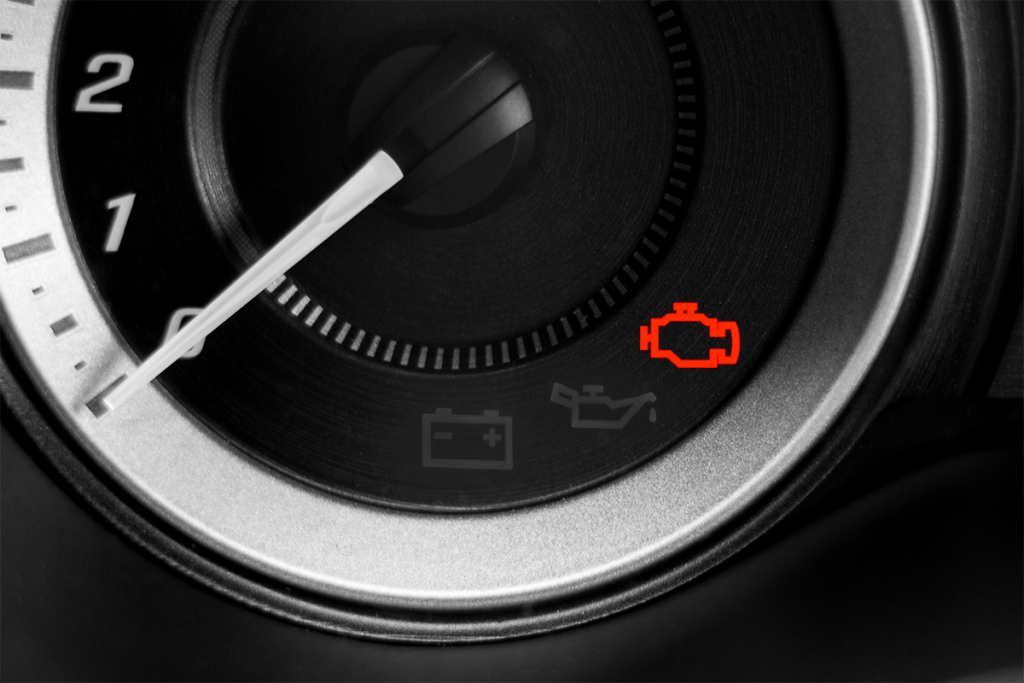
You’re standing in line at the smog check station, and suddenly, your car’s check engine light flickers on. Panic sets in.
Will this pesky little light keep your vehicle from passing the smog test? You’re not alone in this dilemma, and the answer isn’t as straightforward as you might think. Navigating the complexities of car emissions tests while dealing with a check engine light can be frustrating and confusing.
But understanding what’s at stake can save you time, money, and unnecessary stress. Dive into this article to uncover the truth about smog checks, check engine lights, and what steps you need to take to ensure your car passes with flying colors. Your vehicle’s health and your peace of mind depend on it.
Smog Check Basics
Understanding the basics of smog checks can save you time and money, especially when you see that dreaded check engine light. Smog checks are essential for ensuring that vehicles contribute minimally to air pollution. Knowing what goes into these tests and their purpose can help you better prepare your car for inspection, even if a check engine light is on.
Purpose Of Smog Tests
Smog tests aim to reduce air pollution by ensuring vehicles meet specific emission standards. These tests are crucial in urban areas where traffic congestion is high. They help protect the environment and public health by limiting harmful emissions from vehicles.
Besides environmental benefits, smog tests can also identify mechanical issues in your car. This allows you to fix problems early, potentially saving on costly repairs down the line. Have you ever wondered how your car’s health impacts the air you breathe?
Components Of Smog Testing
Smog testing involves several components to assess a vehicle’s emissions. The test checks the exhaust emissions for pollutants like carbon monoxide, hydrocarbons, and nitrogen oxides. Your car’s onboard diagnostics system is also evaluated.
This system plays a crucial role, especially if your check engine light is on. It provides valuable information about your car’s emission status and can indicate underlying issues. Being aware of these components can help you address any problems before the test.
Imagine driving with the peace of mind that your vehicle is contributing to cleaner air. Wouldn’t that make each drive more enjoyable?

Credit: www.youtube.com
Check Engine Light Significance
The check engine light is a crucial indicator on your car’s dashboard. It signals potential issues within the vehicle’s system. Ignoring it can lead to serious problems. Understanding its significance helps in maintaining your car’s health. It alerts drivers to a range of issues, from minor to severe. This light plays a vital role in keeping the vehicle safe and efficient. A glowing check engine light means your car needs attention. It might affect your vehicle’s ability to pass a smog test. Addressing the cause promptly is essential for vehicle performance and emissions compliance.
Reasons For Check Engine Light
Several factors can trigger the check engine light. Some common reasons include:
- Faulty oxygen sensor
- Loose or damaged gas cap
- Failing catalytic converter
- Malfunctioning mass airflow sensor
- Worn-out spark plugs
Each issue affects your car differently. Some may be minor, like a loose gas cap. Others, like a failing catalytic converter, can be serious. Regular maintenance helps prevent these issues. Always check the light promptly for peace of mind.
Impact On Vehicle Performance
The check engine light affects more than emissions tests. It also impacts vehicle performance. A faulty oxygen sensor can reduce fuel efficiency. A failing catalytic converter affects engine power. Ignoring these issues can lead to bigger problems. Engine misfires or stalling are possible outcomes. Addressing the light’s cause improves vehicle reliability. It ensures your car runs smoothly and efficiently. Keeping your vehicle in good shape saves money in the long run.
Smog Test And Check Engine Light
The smog test is crucial for ensuring your car meets emission standards. It checks pollutants your vehicle emits. A check engine light can impact this test. Many drivers worry if their car will pass with this light on.
The check engine light indicates a problem with your vehicle’s system. It might be a minor issue or something more serious. Regardless, it often affects smog test results.
Common Outcomes
Cars with a check engine light often fail the smog test. This is because the light usually signals emission-related problems. Failing the test means you must fix the issue and retest.
Some states do not allow testing if the light is on. They require you to address the issue first. This ensures only compliant vehicles are on the road.
Factors Affecting Smog Test Results
Several factors influence smog test outcomes. The severity of the engine problem is one. Minor issues might not cause a test failure. Serious problems likely will.
Vehicle age also plays a role. Older cars often face more challenges. Newer models usually have better emission controls. Another factor is the vehicle’s maintenance history.
Well-maintained cars are more likely to pass. Regular servicing helps keep systems in check. Finally, the testing facility’s equipment and methods can impact results.
Preparing For A Smog Test
A car with the check engine light on may struggle to pass a smog test. Addressing the underlying issue is crucial before testing. Fixing problems helps ensure compliance and smooth testing.
Preparing for a smog test can sometimes feel like preparing for a big exam. You’ve got your car ready, but that pesky check engine light has made an untimely appearance. It’s frustrating and a bit nerve-wracking, but with a little preparation, you can tackle this issue head-on. So, what should you do before heading to the test center?
Pre-test Inspection Tips
Before you take your car for a smog test, conduct a thorough inspection. Check your car’s oil level and condition. Dirty oil can affect emissions, so consider an oil change if it’s overdue. Inspect your air filter. A clogged air filter can result in higher emissions. If it’s dirty, replace it with a new one to improve air flow. Ensure your tires are properly inflated. Under-inflated tires can impact engine performance, which might affect your emissions test.
Steps To Address Check Engine Light
The check engine light isn’t just an annoyance; it’s your car’s way of telling you something needs attention. Start by using an OBD-II scanner to read the codes. This will help you understand the problem. Once you know the issue, research simple fixes you can try. For example, a loose gas cap is a common cause and can be easily tightened. If the problem is more complex, consult a professional mechanic. It’s often cheaper to fix the issue before the test than to fail and pay for a retest. Are you prepared to handle unexpected car issues? By taking proactive steps, you can drive to your smog test with confidence.
Legal And Environmental Implications
Check engine lights often signal car issues that can impact smog test results. Legal requirements demand emissions compliance, and ignoring the light might fail the test. Environmental concerns arise as malfunctioning cars contribute to pollution, emphasizing the need for timely repairs.
The presence of a check engine light raises important legal and environmental questions. Many drivers wonder if they can pass a smog test with this light on. Smog tests are crucial for ensuring vehicles meet emission standards. Understanding the implications helps in making informed decisions.
State Regulations Overview
Different states have unique smog test requirements. Some states allow a retest if your car fails. In others, a check engine light means automatic failure. Knowing your state’s rules is essential. It helps to avoid fines and penalties. Always check local regulations before a smog test.
Environmental Concerns
A check engine light can indicate emission issues. These issues harm the environment. Excess emissions contribute to air pollution. They affect public health and wildlife. Fixing the problem reduces your car’s carbon footprint. It supports cleaner air for everyone. Prioritizing repairs is eco-friendly and responsible.

Credit: www.youtube.com
Professional Advice
When faced with the dilemma of a check engine light on your dashboard, you might wonder if your car can pass a smog test. Many drivers find themselves in this predicament, unsure of the best course of action. Seeking professional advice can be your guiding light, helping you understand the underlying issues and the steps needed to resolve them. With expert guidance, you can ensure your vehicle meets emission standards and passes the smog test smoothly.
Consulting A Mechanic
Have you ever rushed to a mechanic just before a smog test, hoping for a quick fix? Consulting a mechanic when your check engine light is on could be the smartest move you make. Mechanics have the expertise to diagnose the problem accurately and offer solutions that save you time and money.
By consulting with a professional, you gain insights into whether the issue is minor or requires significant attention. They can use diagnostic tools to pinpoint the exact cause of the light, whether it’s a faulty sensor or something more complex.
- A mechanic can advise if the problem is related to emissions or another system.
- They can reset the light temporarily, allowing you to pass the smog test, but ensure to fix the root cause later.
- Regular check-ups can prevent surprises during tests, keeping your car in optimal condition.
Expert Recommendations
What do the experts say about passing a smog test with a check engine light on? Most agree that addressing the issue before the test is essential. Ignoring the light can lead to failed tests and increased repair costs.
Experts recommend performing routine maintenance checks to prevent smog test failures. A well-maintained car is less likely to have unexpected problems, ensuring a smoother testing experience.
- Consider running a diagnostic test before heading to the smog check station.
- Fix any issues that the diagnostic test reveals to avoid a fail during the smog test.
- Regularly change your oil and filters to maintain your vehicle’s health.
Have you considered scheduling regular service appointments to catch issues early? With professional advice and expert recommendations, you can keep your car’s emissions in check and avoid the stress of a failed smog test.

Credit: www.tiktok.com
Frequently Asked Questions
Can I Smog My Car With The Engine Light On?
No, you cannot smog your car with the engine light on. The engine light indicates a problem. Fix any issues first to pass the smog test. Most states require the light to be off for a successful smog check.
How Do I Turn Off The Check Engine Light To Pass Emissions?
To turn off the check engine light, fix the underlying issue first. Use an OBD-II scanner to reset the light. Disconnect the battery for a few minutes as a temporary measure. Ensure the vehicle’s systems are functioning properly before an emissions test.
Can A Car Pass Inspection With A Check Engine Light?
A car typically fails inspection if the check engine light is on. Inspectors see it as a sign of underlying issues. It’s best to fix the problem before the inspection to avoid failure. Addressing the issue ensures passing and keeps your vehicle in optimal condition.
Can You Pass Smog With Codes But No Check Engine Light?
Passing smog with stored codes is possible if the check engine light is off. Ensure all monitors are “ready” before testing. Technicians may still check codes, so it’s best to clear them after addressing any issues. Always maintain your vehicle for optimal performance and emissions compliance.
Conclusion
Driving with a check engine light can be risky. Smog tests often fail if this light is on. Ensuring car maintenance is vital for passing. Regular check-ups prevent surprises during smog tests. Fixing issues early saves time and money. Test results improve with timely repairs.
A well-maintained car runs smoothly. It benefits the environment too. Always address engine light issues promptly. This practice keeps your car in top shape. Emission tests become a breeze. Keep your vehicle healthy and smog-check ready. It’s smart and responsible.