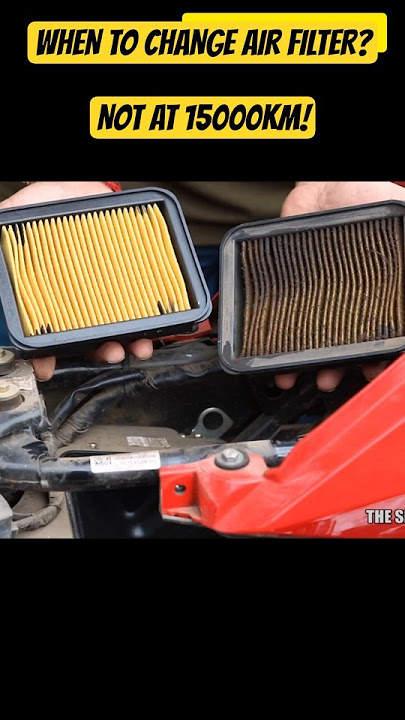
Ever wonder how often you should change the air filter in your car? You’re not alone.
It’s a question that many car owners ponder, and understanding it can save you money and keep your car running smoothly. Your car’s air filter is like its lungs, ensuring that the engine breathes clean air, which is crucial for optimal performance.
But how do you know when it’s time for a change? Could changing it more often benefit you, or are you just throwing money away on unnecessary maintenance? You’ll discover the signs to look out for and the impact a clean air filter can have on your car’s efficiency and longevity. Stay tuned, because by the end of this read, you’ll have the knowledge to make informed decisions, saving you from costly repairs and keeping your vehicle in top shape. Ready to uncover the secrets of car maintenance that could save you time and money? Let’s dive in.
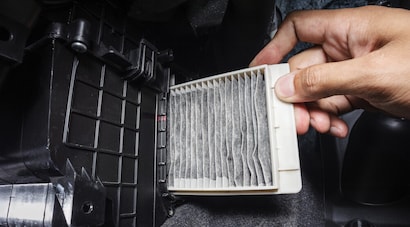
Credit: www.elgincdjr.com
Importance Of Air Filter Maintenance
Regular air filter maintenance ensures a clean engine and better fuel efficiency. Change your car’s air filter every 12,000 to 15,000 miles. This helps prevent engine wear and maintains optimal performance.
The air filter in your car plays a crucial role in maintaining engine performance. It ensures clean air flows into the engine, enhancing fuel efficiency and reducing emissions. Regular maintenance of the air filter can prevent costly engine problems. Dirty air filters restrict airflow, making the engine work harder. This leads to poor gas mileage and reduced power. Keeping the air filter clean helps the engine run smoothly and last longer.
Enhancing Engine Efficiency
A clean air filter improves engine efficiency by allowing smooth airflow. Improved airflow boosts combustion, giving better fuel economy. When the engine breathes better, it uses less fuel, saving money at the pump.
Preventing Engine Damage
Dirty air filters can let debris into the engine. This can cause wear and tear on engine parts. Regularly changing the air filter protects your engine from damage. It ensures the engine remains in good condition.
Reducing Emissions
Clean air filters help reduce harmful emissions. They ensure the engine burns fuel cleanly. Cleaner combustion means fewer pollutants are released into the air.
Improving Vehicle Performance
A clogged air filter reduces vehicle performance. It can cause sluggish acceleration and rough idling. Keeping the air filter clean ensures your car runs smoothly and efficiently.
Extending Engine Lifespan
Regular air filter maintenance extends the lifespan of your engine. It prevents unnecessary strain and wear on engine components. A well-maintained engine lasts longer and performs better.
Signs It’s Time To Change The Air Filter
Watch for signs like decreased mileage or sluggish performance. Check the air filter if you notice unusual engine sounds. Visible dirt or damage indicates it’s time for a replacement.
Signs Of A Dirty Air Filter
Reduced engine performance and strange noises can indicate a dirty air filter. Change your car’s air filter every 12,000 to 15,000 miles to maintain optimal performance.
A dirty air filter in your car can lead to several noticeable issues. If you’ve ever wondered whether your vehicle’s air filter needs replacing, paying attention to certain signs can provide you with the answers. These indicators can help you maintain your car’s health and keep it running efficiently.
Reduced Fuel Efficiency
A clogged air filter makes your engine work harder, leading to more fuel consumption. You might notice that you’re visiting the gas station more often than usual. Keeping track of your fuel efficiency is a practical way to catch this early.
Decreased Engine Performance
Have you felt your car struggling when you accelerate? A dirty air filter can restrict airflow, reducing your engine’s power. This lack of power can be particularly noticeable when climbing hills or trying to overtake another vehicle.
Unusual Engine Sounds
Listen to your car. If you hear coughing or popping sounds from the engine, it might be crying for help. These sounds can signal a lack of air, which a dirty filter often causes. By being aware of these signs, you can prevent more significant issues down the road. A clean air filter not only keeps your engine healthy but also saves you money in the long run. When was the last time you checked your car’s air filter?
Factors Affecting Air Filter Lifespan
Understanding the factors that affect your car’s air filter lifespan is crucial. It helps you maintain your vehicle’s performance. Several elements can influence how often you need to change your air filter. Knowing these factors can save you money and keep your car running smoothly.
Driving Conditions
Driving conditions play a significant role in air filter lifespan. If you drive in dusty or sandy areas, the air filter clogs faster. Urban driving with stop-and-go traffic also affects the filter. Short trips don’t allow the engine to fully warm up, reducing efficiency. Long highway drives, on the other hand, are gentler on filters.
Type Of Vehicle
The type of vehicle also impacts the air filter’s life. Sports cars often have performance filters that need frequent changes. Larger vehicles like trucks may have more robust filters. They handle more dirt before needing replacement. Check your vehicle’s manual for specific recommendations. Each model has different needs.
Quality Of Air Filter
The quality of the air filter matters too. High-quality filters usually last longer. They trap more dirt and debris. Cheaper filters may save money upfront but might need frequent changes. Investing in a better filter can be more cost-effective. It ensures cleaner air for your engine, enhancing performance.
Recommended Replacement Intervals
Knowing how often to change your car’s air filter is essential. Clean air filters help your engine run smoothly. This section explores the recommended replacement intervals for your car’s air filter.
Manufacturer Guidelines
Car manufacturers provide specific recommendations for air filter changes. Check your vehicle’s manual for these guidelines. Typically, manufacturers suggest changing the air filter every 12,000 to 15,000 miles. Following these guidelines ensures your car remains in top condition.
Seasonal Changes
Seasons affect air filter performance. In spring, pollen can clog filters quickly. During fall, leaves and debris may cause blockages. Consider more frequent changes during these seasons. This keeps your engine breathing clean air.
Mileage Recommendations
Mileage affects when to replace your air filter. If you drive on dusty roads, change it more often. Experts suggest replacing it every 12,000 miles in normal conditions. For city driving, consider checking it every 5,000 miles. This proactive approach ensures optimal engine performance.
Steps To Replace An Air Filter
Regularly check your car’s air filter every 12,000 to 15,000 miles. First, locate the air filter box under the hood. Remove the old filter and insert the new one securely. Ensure it fits snugly, then close the filter box. This simple maintenance improves engine performance and fuel efficiency.
Replacing your car’s air filter is simple and essential. It ensures your engine breathes clean air. A clean filter boosts performance and fuel efficiency. Follow these steps for a smooth replacement process.
Gather Necessary Tools
Start by collecting all required tools. You will need a screwdriver. Ensure you have the correct filter for your car model. Keep a clean cloth handy to wipe any dust.
Locate The Air Filter
Open the car’s hood to find the air filter. It’s usually in a rectangular box. The box is often black or gray. Check your car manual for its exact location.
Remove And Inspect
Unclip or unscrew the air filter box. Gently lift the old filter out. Inspect it for dirt and damage. A dirty or torn filter needs replacement.
Install The New Filter
Place the new filter in the box. Ensure it sits snugly in place. Secure the box with clips or screws. Close the hood. Your car is now ready for a cleaner drive.

Credit: www.trodo.com
Benefits Of Regular Air Filter Changes
Regular air filter changes keep your car running smoothly. They improve fuel efficiency and reduce emissions. Clean filters also enhance engine performance and prolong its lifespan.
Changing your car’s air filter regularly can bring a host of benefits that extend far beyond just ensuring clean air for your engine. A fresh air filter can be a game-changer for your vehicle’s performance and longevity, affecting everything from engine health to fuel efficiency. Let’s dive into how a simple change can make a significant impact on your car.
Improved Engine Longevity
A clean air filter plays a vital role in protecting your engine from dirt and debris. When particles are kept out, your engine operates more smoothly, reducing wear and tear. This can help prolong the life of your engine, saving you from costly repairs down the road. Consider this: would you rather pay for an expensive engine overhaul or spend a small amount regularly on a new air filter? By keeping your engine clean, you ensure it’s running at its best and lasting longer.
Enhanced Fuel Economy
Did you know that a dirty air filter can negatively impact your car’s fuel efficiency? A clogged filter makes your engine work harder, consuming more fuel in the process. By regularly changing the air filter, you can improve your gas mileage and save money at the pump. It’s a simple maintenance step that pays off every time you fill up your tank.
Reduced Emissions
Clean air filters contribute to a cleaner environment by reducing emissions from your vehicle. When your engine receives the right amount of air, it burns fuel more efficiently, cutting down on harmful exhaust emissions. If you’re environmentally conscious, this is an easy way to reduce your carbon footprint. Plus, it ensures your car stays within legal emission standards, keeping you compliant with regulations. Incorporating regular air filter changes into your car maintenance routine can yield these benefits and more. When was the last time you checked your air filter? It might be time to give your car the simple care it deserves.
Choosing The Right Air Filter
Changing your car’s air filter every 12,000 to 15,000 miles keeps the engine running smoothly. Regular checks can prevent clogs and improve fuel efficiency. Clean filters enhance airflow, ensuring optimal performance and longer engine life.
Choosing the right air filter for your car is more than just a maintenance chore—it’s a key factor in keeping your engine running smoothly. The air filter ensures that clean air reaches the engine, improving performance and fuel efficiency. But with so many options available, how do you make the best choice?
Types Of Air Filters
There are several types of air filters available, each with unique benefits. Paper filters are the most common, offering a balance of affordability and functionality. Foam filters are ideal for off-road vehicles as they trap more dirt and debris. Cotton filters, often reusable and washable, provide excellent airflow and are popular among performance enthusiasts. Think about your driving conditions. Are you mostly on highways, or do you tackle dusty back roads? This can influence which type of filter best suits your needs.
Oem Vs. Aftermarket
When selecting an air filter, you’ll encounter two primary options: OEM (Original Equipment Manufacturer) and aftermarket. OEM filters are designed specifically for your vehicle’s make and model, ensuring a perfect fit and reliable performance. Aftermarket filters, on the other hand, often offer enhancements like increased airflow or durability. Consider your priorities. Do you value the peace of mind of sticking with OEM parts, or are you seeking potential performance boosts from aftermarket options? Keep in mind that aftermarket filters might require more frequent maintenance.
Budget Considerations
Budget plays a crucial role in your decision-making process. Air filters can range from a few dollars to significantly higher prices for premium options. If you’re on a tight budget, paper filters provide a cost-effective solution without compromising too much on quality. However, investing in a higher-end option like a reusable cotton filter might save you money in the long run. Weigh the initial cost against the potential savings over time. Choosing the right air filter may seem daunting, but it’s worth the effort. Your car’s performance and longevity depend on it. Are you ready to make a change that could enhance your driving experience?

Credit: www.facebook.com
Frequently Asked Questions
How Often Should I Change My Car’s Air Filter?
Changing your car’s air filter every 12,000 to 15,000 miles is recommended. However, driving in dusty conditions may require more frequent changes. A clean air filter ensures optimal engine performance and fuel efficiency. Always consult your vehicle’s manual for specific guidelines tailored to your car’s model.
What Are Signs Of A Dirty Air Filter?
A dirty air filter can cause reduced acceleration, decreased fuel efficiency, and unusual engine noises. If your car struggles to start or the air filter appears clogged, it’s time for a change. Regular inspection can help prevent potential engine damage and maintain smooth operation.
Can A Dirty Air Filter Affect Fuel Economy?
Yes, a dirty air filter can negatively impact fuel economy. It restricts airflow, causing the engine to work harder and consume more fuel. Regularly changing the air filter helps ensure efficient fuel combustion, improving mileage and saving money on gas over time.
How Do I Know When To Change The Air Filter?
Check your car’s air filter during routine maintenance or if you notice performance issues. A visual inspection can reveal dirt buildup or damage. If it’s clogged or appears dirty, it’s time to replace it. Follow the vehicle manual for recommended intervals.
Conclusion
Changing your car’s air filter regularly keeps your engine healthy. It ensures efficient performance. Clean filters improve fuel economy. They prevent dust and debris build-up. This extends engine life. Check the filter every 12,000 miles or once a year. If you drive in dusty areas, inspect more often.
An easy task. Quick to replace. It enhances your driving experience. Saves on costly repairs. Take care of your car. It rewards you with smooth rides. Prioritize maintenance. Enjoy peace of mind on the road. A small effort makes a big difference.