
Are you wondering how often you should change your car’s cabin air filter? You’re not alone.
Many car owners overlook this small but crucial component. Yet, it plays a vital role in the air quality inside your vehicle. Imagine taking a deep breath of fresh air while driving — that’s exactly what a clean cabin air filter offers you.
When neglected, it can turn your drive into an unpleasant experience, with musty odors or worse, allergens filling the air. Intrigued about how this simple change can enhance your driving comfort? Keep reading to discover the signs that signal it’s time for a change, and how staying on top of this easy maintenance task can save you money and improve your health.
Importance Of Cabin Air Filters
Ever stepped into your car and felt a musty smell or noticed dust on the dashboard? The cabin air filter is your vehicle’s first line of defense against outside pollutants and allergens. Its role is not just about keeping air fresh—it’s about ensuring the air you breathe while driving is clean and healthy. You might not think about it often, but this little component plays a big role in your driving comfort and health.
What Does A Cabin Air Filter Do?
The cabin air filter is responsible for filtering out dust, pollen, smoke, and other airborne particles that enter your car’s ventilation system. This ensures you and your passengers breathe cleaner air, which is especially crucial for those with allergies or respiratory issues.
How Does It Affect Your Driving Experience?
Imagine driving through a dusty road without a proper filter. You’d likely end up sneezing or coughing instead of enjoying the ride. A clean cabin air filter helps maintain a pleasant and healthy environment inside the car, making your journeys more enjoyable.
Why Should You Change It Regularly?
A clogged air filter can lead to decreased air flow, making your car’s HVAC system work harder than it should. This not only affects the performance but can also increase fuel consumption. Regularly changing the filter ensures optimal air flow and efficiency.
How Can You Tell It’s Time For A Change?
Have you noticed a decrease in air flow or strange odors when using your AC? These are clear signs your filter might need a change. Additionally, if you often drive in polluted areas or dusty roads, your filter may require more frequent replacements.
Do You Really Need A Professional?
Changing a cabin air filter is often a simple task you can do yourself. Many vehicles have easy access to the filter, making it a quick DIY project. However, if you’re unsure or uncomfortable, a professional mechanic can handle it for you.
Consider the last time you changed your cabin air filter. Could it be time for another replacement? Regularly checking and changing your filter not only ensures cleaner air but also prolongs the life of your vehicle’s HVAC system. So, don’t overlook this small yet significant component of your car maintenance routine.
Signs Of A Dirty Cabin Air Filter
Understanding the signs of a dirty cabin air filter can keep your car’s air clean. A clogged filter affects air quality and comfort during your drive. Pay attention to these signs to know when to change your cabin air filter.
Unpleasant Odors
A dirty cabin air filter may cause bad smells in your car. These odors often resemble mold or mildew. The filter traps dust, dirt, and other particles. Over time, these can cause unpleasant smells. Replacing the filter can help freshen the air inside your vehicle.
Reduced Airflow
Notice weak airflow from your car’s vents? A clogged cabin air filter might be the reason. The filter prevents dust from entering the car. When it gets full, airflow decreases. This makes the air conditioning or heater less effective. Change the filter to restore proper airflow.
Increased Allergies
Allergies acting up during your drive? Your car’s cabin air filter could be dirty. It should catch pollen and allergens. But a clogged filter allows them inside. This can worsen allergy symptoms. Replacing it helps keep allergens at bay and improves air quality.
Recommended Replacement Frequency
Knowing the recommended replacement frequency for your car’s cabin air filter is crucial for maintaining a fresh and healthy environment inside your vehicle. This often overlooked component plays a vital role in filtering out dust, pollen, and other airborne particles. But how often should you actually replace it? Let’s delve into the details of manufacturer guidelines and driving conditions to make an informed decision.
Manufacturer Guidelines
Car manufacturers typically provide specific recommendations on how frequently you should replace your cabin air filter. You can find this information in your vehicle’s owner manual. It’s important to follow these guidelines to ensure optimal performance. Most manufacturers suggest replacing the filter every 12,000 to 15,000 miles. However, these are just general guidelines and may vary depending on the make and model of your vehicle.
Ignoring these recommendations can lead to decreased air quality and even strain on your car’s HVAC system. If you notice reduced airflow or unpleasant odors, it might be time to check the filter even if you haven’t hit the mileage mark.
Driving Conditions
Your driving habits and environment significantly impact how often you should change your cabin air filter. If you frequently drive in heavily polluted areas or dusty environments, you may need to replace the filter more often. Think about your daily commute or road trips: is your route lined with construction zones or heavy traffic?
Consider seasonal changes too. Pollen levels rise in spring, potentially clogging your filter faster. If you live in an area with harsh winters, road salt can also contribute to filter debris. Regular checks can prevent these particles from accumulating and ensure a clean cabin atmosphere.
Ultimately, the choice boils down to your car’s specific needs and your personal comfort. Have you ever changed your cabin air filter more frequently due to local conditions? Share your experience in the comments below!
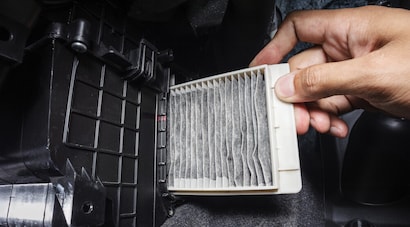
Credit: www.elgincdjr.com
Steps To Replace Cabin Air Filter
Replace the cabin air filter every 15,000 to 30,000 miles for optimal air quality. Locate the filter behind the glove box or under the dashboard. Remove the old filter and insert the new one, ensuring it’s seated properly. Regular replacement keeps the air inside your car clean and fresh.
Replacing your car’s cabin air filter is a simple task. It ensures clean air inside your vehicle. Regular replacement improves air quality and HVAC efficiency. Follow these steps for a quick and easy filter change.
Locating The Filter
First, find the cabin air filter. It’s usually behind the glove box or under the dashboard. Check your owner’s manual for the exact location. Some cars have filters under the hood. Each car model is different.
Tools And Materials Needed
Gather the necessary tools and materials:
- New cabin air filter
- Screwdriver (if needed)
- Gloves to keep hands clean
Ensure you have the correct filter size. Check your vehicle’s manual or the old filter.
Installation Process
Begin by removing the glove box or cover. Use a screwdriver if screws are present. Handle the parts gently. Locate the old filter and slide it out carefully. Note its position for correct installation of the new filter. Install the new filter with the airflow direction marked. Insert it into the slot, ensuring it’s secure. Reattach the glove box or cover. Double-check that everything is in place. Test your car’s HVAC system. Ensure air flows freely. Enjoy cleaner air inside your vehicle. Regularly changing the filter keeps your car’s air fresh.
Benefits Of Regular Replacement
Regularly replacing your car’s cabin air filter is crucial. It offers a multitude of benefits, from cleaner air to better system performance. This simple maintenance task can significantly impact your driving experience. Let’s explore the benefits of regular replacement in detail.
Improved Air Quality
Changing the cabin air filter keeps the air inside the car fresh. It removes dust, pollen, and pollutants effectively. This is essential for those with allergies or respiratory issues. Clean air enhances the comfort of everyone in the vehicle. You breathe easier, and long drives become more enjoyable.
Enhanced Hvac Performance
A new cabin air filter boosts your car’s HVAC system. It ensures efficient air flow and reduces strain on the system. This means quicker heating or cooling, providing comfort in any weather. A clogged filter, in contrast, makes the system work harder. Regular replacement prevents this issue, maintaining optimal performance.
Extended System Life
Regular filter changes help prolong your HVAC system’s lifespan. Clean filters reduce wear and tear on the system’s components. This prevents costly repairs and extends the system’s durability. Investing in regular filter replacement saves money over time. Your car’s HVAC system remains reliable and efficient.
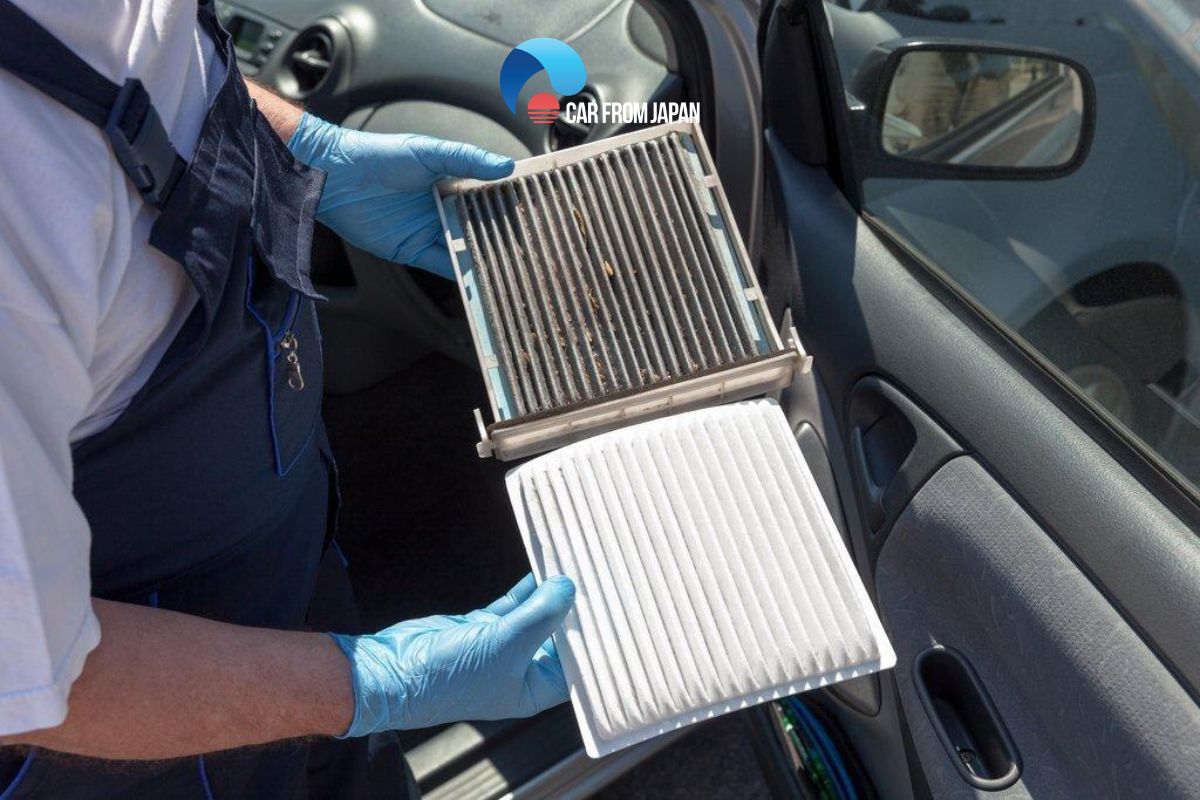
Credit: carfromjapan.com
Common Mistakes To Avoid
Changing the car cabin air filter regularly is essential, but many overlook this task. Ignoring the recommended schedule can lead to poor air quality inside your vehicle. Always check your vehicle’s manual for specific guidelines on when to replace the filter.
Common mistakes in maintaining your car’s cabin air filter can be costly. Avoid these errors for a smoother ride. Regular maintenance ensures clean air inside your vehicle.
Ignoring Replacement Signs
Pay attention to unusual smells in your car. A musty odor often signals a clogged filter. Reduced airflow from the vents is another sign. Dust accumulation on dashboards may also indicate a problem. Ignoring these signs can lead to bigger issues.
Using Incorrect Filter Types
Always choose the right filter for your car model. Using the wrong type affects performance and air quality. Consult your car’s manual for the correct filter specifications. Buying the wrong filter can waste money and time.
Cost Considerations
Regularly changing your car’s cabin air filter can help save money in the long run. New filters improve air quality and reduce strain on the HVAC system, potentially avoiding costly repairs.
Understanding the cost considerations of changing your car’s cabin air filter can help you make informed decisions. While replacing the filter might seem like a straightforward task, the expenses can add up depending on how you choose to go about it. Let’s delve into the financial aspects so you can keep your air quality high without breaking the bank.
Diy Vs. Professional Replacement
Replacing a cabin air filter yourself can be a cost-effective solution. Most filters are accessible and only require basic tools, making it a feasible task for many car owners. You might save on labor costs, which can be significant if you opt for professional replacement services. However, if you’re not comfortable tinkering with car parts, professional replacement offers peace of mind. Mechanics ensure that the filter is installed correctly and can check for other potential issues. Consider your comfort level with car maintenance and weigh it against the potential savings.
Price Range Of Filters
Cabin air filters vary in price depending on the brand and quality. Basic filters might cost as little as $10, while premium options with enhanced filtration can go up to $50 or more. It’s important to choose a filter that fits your vehicle and air quality needs. You might find discounts or deals at auto parts stores or online retailers. Some drivers opt for bulk purchases if they plan to do multiple replacements over time. This can be a smart move, especially if you drive frequently in areas with high pollution or pollen levels. In considering your options, ask yourself: Is the higher cost of a premium filter worth the potential benefits? Balancing cost with air quality can help you make the best choice for your health and budget.

Credit: www.marinmazda.net
Choosing The Right Filter
Regularly changing your car’s cabin air filter ensures clean air inside the vehicle. Experts suggest replacing it every 12,000 to 15,000 miles or once a year. Check your owner’s manual for specific guidelines.
Choosing the right cabin air filter for your car is crucial for maintaining a fresh and healthy environment inside your vehicle. It may seem like a small detail, but the type of filter you choose can significantly impact the air quality you breathe. Let’s dive into the different types of cabin air filters and factors you should consider to make an informed choice.
Types Of Cabin Air Filters
There are several types of cabin air filters available on the market, each with its own set of benefits. – Particulate Filters: These are the most basic type and are designed to capture dust and pollen. They are a good choice if you’re looking for a standard option that gets the job done. – Activated Carbon Filters: Ideal if you’re concerned about odors and harmful gases. These filters use activated carbon to absorb pollutants and offer a fresher smelling cabin. – Electrostatic Filters: Known for their efficiency, these filters use electrostatic charge to attract particles like magnets. They are effective against smaller particles and allergens. – HEPA Filters: High Efficiency Particulate Air (HEPA) filters are the gold standard. They capture up to 99.97% of particles, including bacteria and viruses. If you have allergies, this is the filter for you.
Factors To Consider
When choosing a cabin air filter, consider the environment you drive in most often. – Urban vs. Rural: In cities, activated carbon filters can be beneficial due to higher pollution levels. In rural areas, a particulate filter may suffice. – Allergies: If you or your passengers suffer from allergies, investing in a HEPA filter can make a noticeable difference in comfort. – Budget: While HEPA filters offer the highest level of filtration, they are also the most expensive. Balance your needs with your budget to find the best fit. Have you ever noticed the difference a new filter makes? It’s more than just cleaner air; it’s about enhancing your overall driving experience. A well-chosen filter not only improves air quality but also ensures your car’s HVAC system runs efficiently. Next time you’re on the road, think about what you’re breathing in. Is your current filter really meeting your needs?
Frequently Asked Questions
How Often Should You Change A Cabin Air Filter?
Most experts recommend changing the cabin air filter every 12,000 to 15,000 miles. This varies based on driving conditions and climate. Regular checks help ensure optimal air quality and HVAC system efficiency. Consult your vehicle’s manual for specific recommendations.
What Happens If You Don’t Change The Filter?
Ignoring cabin air filter changes can lead to decreased air quality and HVAC performance. Over time, dust and debris accumulate, causing unpleasant odors and potential allergies. Regular replacement ensures clean air and reduces strain on your vehicle’s system.
Can A Dirty Filter Affect Car Performance?
A dirty cabin air filter can restrict airflow, impacting your car’s ventilation system. This may cause poor air circulation and inefficient heating or cooling. Routine maintenance ensures optimal performance and enhances passenger comfort.
How To Know If The Filter Needs Changing?
Signs of a clogged cabin air filter include reduced airflow and unusual odors. If your car’s HVAC system is struggling, it might be time for a replacement. Regular inspections can prevent these issues and maintain air quality.
Conclusion
Changing your car’s cabin air filter is crucial. It keeps air fresh and clean. Most experts suggest replacing it every 12,000 to 15,000 miles. Check your car’s manual for specifics. Different cars may have different needs. Regular checks prevent dirt buildup and bad odors.
Simple task, big impact. Save money on repairs by staying proactive. Fresh air means better health and comfort. Don’t ignore this small but vital part of car maintenance. Breathe easy every drive. Make cabin air filter replacement a routine. Your car and your lungs will thank you.