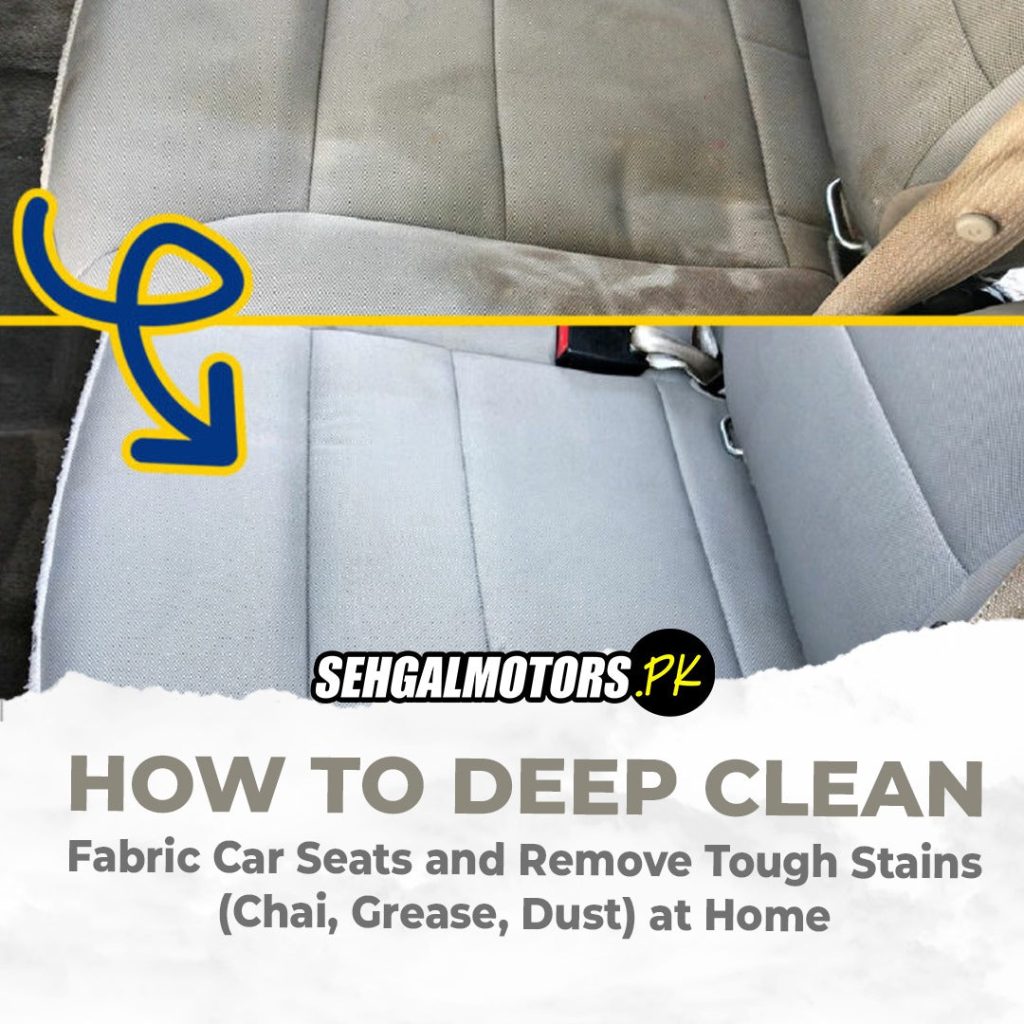
Your car seats face daily spills, dirt, and stains that slowly build up, making your ride less comfortable and your car less inviting. You might think cleaning fabric seats is tough or time-consuming, but it doesn’t have to be.
Imagine sliding into a fresh, spotless seat every time you get in—how great would that feel? This guide will show you simple, effective steps to deep clean your fabric car seats, bringing back their original look and freshness. Stick with me, and you’ll learn how to transform your car interior with ease.
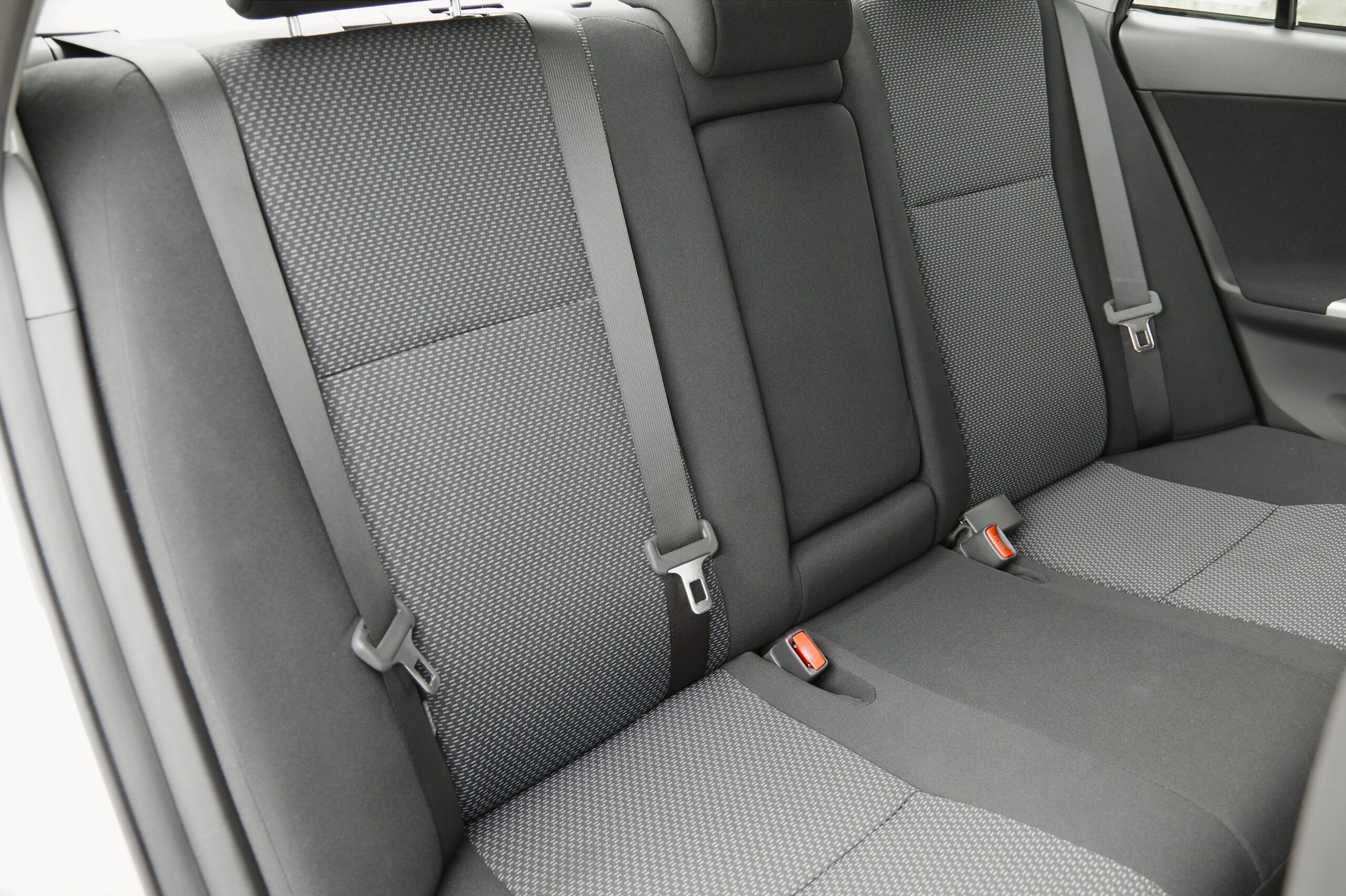
Credit: gtechniq.com
Preparing Your Car Seats
Preparing your fabric car seats properly sets the stage for a deep clean that truly refreshes your vehicle’s interior. Skipping these initial steps can lead to less effective results or even damage to the fabric. Let’s focus on getting your seats ready so every cleaning effort counts.
Remove Loose Debris
Start by removing any loose debris on the seats. Crumbs, dirt, and small particles can interfere with the cleaning process or scratch the fabric if rubbed in. Use your hands or a soft brush to gently lift away these bits before moving on.
Vacuum Thoroughly
Vacuuming is a crucial step that often gets overlooked. Use a vacuum with a brush attachment to reach into seams and crevices where dirt hides. Make sure to cover every inch—under the seats, along the edges, and in the folds—to prevent dirt from mixing into the cleaning solution later.
Check Fabric Care Labels
Not all fabric car seats are the same. Check the care labels to understand what cleaning methods and products are safe to use. Some fabrics may require gentle cleaners or specific drying techniques, so knowing this ahead of time protects your seats from damage.
Choosing The Right Cleaning Products
Choosing the right cleaning products is key to deep cleaning fabric car seats. The right products remove dirt and stains without damaging the fabric. It also helps keep your car seats looking fresh and new. Understanding different options guides you to the best choice for your car seats.
Fabric Cleaners Vs. Homemade Solutions
Fabric cleaners are made specifically for car upholstery. They contain ingredients that break down dirt and stains safely. These cleaners often work fast and leave a fresh scent.
Homemade solutions use common household items like vinegar, baking soda, or mild soap. They are budget-friendly and easy to make. These solutions are gentle but may need more effort and time to clean deeply.
Choosing between fabric cleaners and homemade solutions depends on stain severity and fabric type. Test any cleaner on a small, hidden area first to avoid damage.
Safe Stain Removers
Stain removers target tough spots like food, oil, or ink. Safe stain removers do not bleach or weaken fabric fibers. Look for products labeled non-toxic and fabric-safe.
Natural stain removers like lemon juice or club soda work well for light stains. Avoid harsh chemicals that may cause fading or leave residues.
Always blot stains gently. Rubbing can spread the stain or damage fabric.
Tools You Will Need
- Soft-bristle brush to loosen dirt without harming fabric
- Microfiber cloths for applying cleaners and drying
- Spray bottle for even application of homemade solutions
- Vacuum cleaner with upholstery attachment to remove loose dirt
- Bucket for mixing cleaning solutions
Having the right tools makes cleaning easier and more effective. Keep tools clean to prevent spreading dirt back onto seats.
Spot Cleaning Stains
Spot cleaning stains on fabric car seats is a crucial skill that saves your upholstery from permanent damage. Tackling stains promptly and correctly can restore your seat’s appearance and extend its life. Understanding what kind of stain you’re dealing with helps you choose the right cleaning method and avoid worsening the problem.
Identifying Different Stain Types
Stains vary widely, and knowing their origin makes a big difference in treatment. Common types include:
- Organic stains:Such as food, coffee, or blood. These often require enzymes or gentle detergents.
- Oil-based stains:Like grease or makeup, which need a degreasing agent or specialized cleaner.
- Water-based stains:Including soda or juice, usually easier to treat with water and mild soap.
Ask yourself: Is the stain oily or water-based? This simple question guides your cleaning approach and prevents spreading or setting the stain deeper.
Effective Spot Treatment Techniques
Start by blotting the stain gently with a clean cloth to absorb excess liquid—never rub, as this can push the stain further into the fabric. Use a spray bottle to apply your chosen cleaner directly to the stain, then let it sit for a few minutes to break down the dirt.
Use a soft brush or cloth to work the cleaner into the fabric with light circular motions. Rinse the area carefully with a small amount of water to remove residue, then blot again to dry. Repeat if necessary, but always test your cleaner on a hidden area first to avoid discoloration.
Avoiding Common Mistakes
Many make the error of scrubbing aggressively, which damages fabric fibers and spreads the stain. Another pitfall is over-wetting the seat, which can cause mold or unpleasant odors inside your car.
Using harsh chemicals without testing can lead to color fading or fabric weakening. Instead, stick to mild, fabric-safe cleaners and patience. Have you ever cleaned a stain only to find it worsened? That’s why careful treatment beats quick fixes every time.

Credit: www.youtube.com
Deep Cleaning Process
Deep cleaning fabric car seats removes dirt, stains, and odors that build up over time. It restores the seat’s original look and feel. This process requires the right tools and techniques to avoid damage. Follow these steps for a thorough and safe clean.
Preparing The Cleaning Solution
Choose a gentle cleaner suitable for fabric upholstery. Mix warm water with a few drops of mild dish soap. For tough stains, add a small amount of white vinegar. Test the solution on a hidden area first. This prevents color fading or fabric damage.
Scrubbing Methods For Fabric Seats
Use a soft-bristle brush or microfiber cloth to scrub seats. Dip the brush lightly in the cleaning solution. Work in small circular motions to lift dirt. Avoid soaking the fabric to prevent mold and mildew. Wipe excess moisture with a dry cloth after scrubbing.
Using Steam Cleaners Safely
Steam cleaners can remove deep dirt without chemicals. Keep the steam nozzle moving to avoid overheating one spot. Hold it a few inches away from the fabric. Use low to medium steam settings. Allow seats to dry completely before using the car again.
Drying And Maintaining Seats
Allow fabric seats to dry completely after cleaning to prevent mold and odors. Use a fan or open windows to speed up drying. Regularly vacuum and wipe seats to keep them fresh and well-maintained.
Drying and maintaining your fabric car seats is crucial to keep them looking fresh and extend their lifespan. After a deep clean, proper drying methods prevent unpleasant odors and ensure that your seats remain in top condition. But how do you dry them effectively and maintain their cleanliness over time? Let’s dive into some practical steps.
Proper Drying Techniques
Start by opening all car doors to allow cross-ventilation. This simple trick accelerates the drying process. Using a portable fan or a hair dryer set on cool can speed things up, especially in areas with little airflow. Aim the fan directly at the seats, focusing on seams and crevices where moisture tends to linger. If weather permits, park your car in a sunny spot. The natural warmth can work wonders, but be cautious not to overexpose the seats to direct sunlight for too long to prevent fading.
Preventing Mold And Mildew
Mold and mildew thrive in damp environments. After cleaning, ensure the seats are completely dry before closing the car doors. Consider using moisture-absorbing packets, like silica gel, placed discreetly under the seats. These packets help control humidity levels inside the car. Regularly check for signs of dampness or musty odors. If detected early, a quick wipe with a dry cloth can prevent potential mold growth.
Regular Maintenance Tips
Make vacuuming a weekly habit. Frequent vacuuming removes dirt particles before they settle deep into the fabric. Invest in fabric protectors or sprays that create a barrier against spills and stains. This step can save you considerable effort in the long run. Keep a small cleaning kit in your car. A soft brush and a mild cleaner can quickly address unexpected spills, preventing long-term damage. How often do you think about the condition of your car seats? With these tips, maintaining them becomes second nature, ensuring they remain as inviting as the day you first sat in them.
Troubleshooting Common Issues
Deep cleaning fabric car seats can bring fresh life to your vehicle’s interior. Sometimes, you face issues that simple cleaning cannot fix. Troubleshooting common problems helps maintain fabric seats in top condition. Addressing these challenges ensures a thorough, lasting clean. Here are solutions for frequent issues you might face during deep cleaning.
Dealing With Persistent Odors
Odors can linger after cleaning fabric seats. Use baking soda to absorb smells. Sprinkle it evenly, leave for a few hours, then vacuum thoroughly.
Vinegar mixed with water also neutralizes bad odors. Spray lightly and let air dry to avoid moisture damage. Keep windows open during this process.
Activated charcoal bags placed inside the car absorb odors over time. Replace them regularly for best results.
Handling Stubborn Stains
Stains may not come out with regular cleaning. Use a fabric-safe stain remover for tough spots. Test on a hidden area first to avoid discoloration.
Apply remover gently with a soft brush or cloth. Blot, don’t rub, to prevent fabric damage. Rinse with clean water and blot dry.
For grease or oil stains, sprinkle cornstarch or talcum powder. Let it sit to absorb oil, then brush off before cleaning.
When To Seek Professional Help
Some stains and odors resist home cleaning methods. Deep-set stains or mold need expert attention to avoid damage.
Professional cleaners use specialized tools and solutions. They ensure fabric safety and thorough cleaning.
Consider professional help if stains cover large areas or odors persist despite treatment. This protects your car seats and keeps them looking fresh longer.

Credit: www.seatcoversolutions.com
Frequently Asked Questions
How Often Should I Deep Clean Fabric Car Seats?
Deep clean fabric car seats every 3 to 6 months. Frequent cleaning prevents stains, odors, and dirt buildup. Regular maintenance keeps seats fresh and extends their lifespan. If heavily used, clean more often for best results.
What Supplies Do I Need For Deep Cleaning Fabric Seats?
You need a vacuum, fabric cleaner, soft brush, microfiber cloths, and warm water. Choose a cleaner safe for fabric upholstery. Avoid harsh chemicals to prevent damage. Proper tools ensure an effective and gentle deep clean.
Can I Use Household Cleaners On Fabric Car Seats?
Avoid using harsh household cleaners on fabric seats. They can cause discoloration or fabric damage. Always use products specifically designed for automotive upholstery. Test any cleaner on a hidden spot first to ensure safety.
How Do I Remove Tough Stains From Fabric Seats?
Apply a fabric-safe stain remover directly to the stain. Gently scrub with a soft brush in circular motions. Blot with a clean cloth to lift the stain. Repeat as needed and avoid over-wetting the fabric.
Conclusion
Deep cleaning fabric car seats keeps your car fresh and comfortable. Regular care removes dirt, stains, and odors effectively. Use gentle cleaners and soft brushes to protect the fabric. Dry seats completely to avoid mold and mildew growth. A clean car seat improves your driving experience every day.
Try these simple steps to maintain your seats easily. Your car will look and smell much better. Clean seats mean a healthier ride for you and your passengers. Keep up with this routine for lasting results.