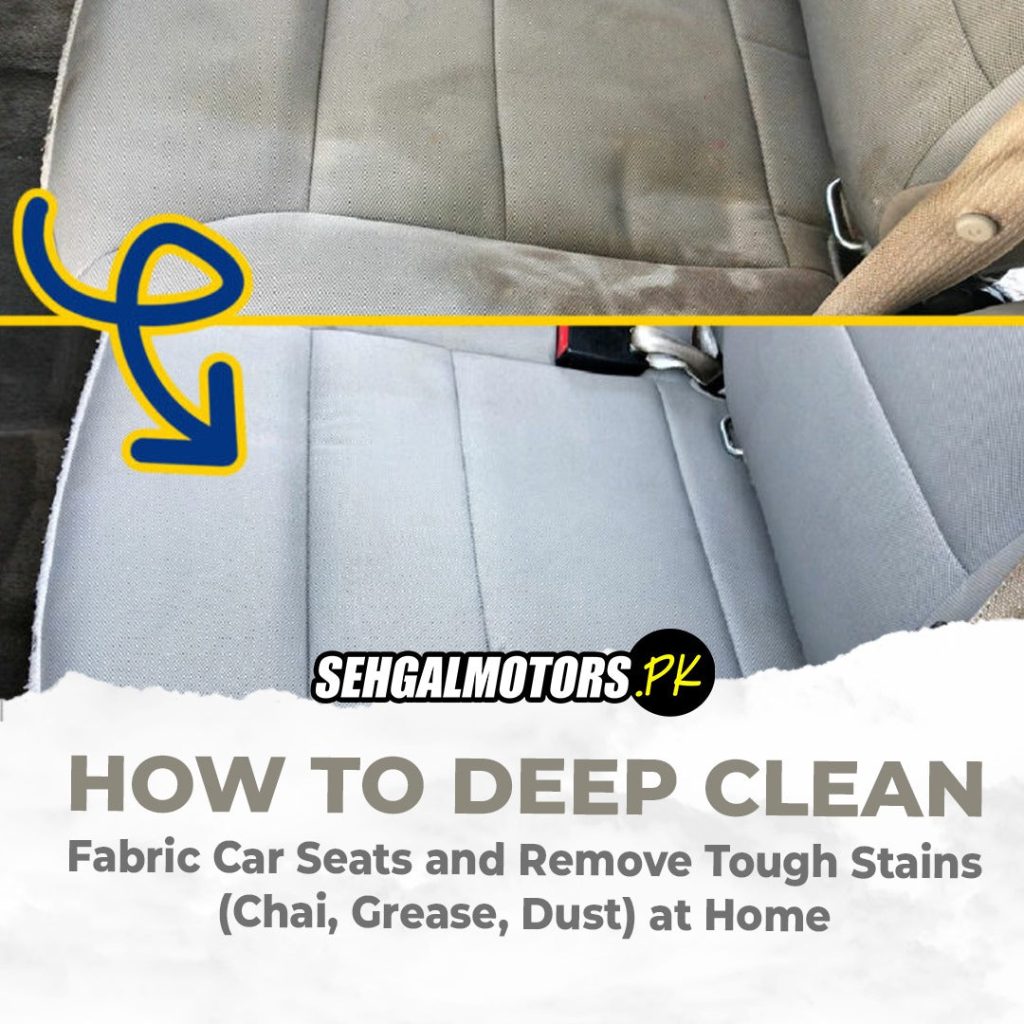
Your cloth car seats take a lot of wear and tear every day. Dirt, stains, and odors can build up quickly, making your car feel less fresh and comfortable.
But deep cleaning your cloth seats doesn’t have to be a hassle or expensive. What if you could restore your seats to look and feel like new, right at home? In this guide, you’ll discover simple, effective steps to deep clean your cloth car seats and keep your ride looking its best.
Ready to transform your car’s interior and enjoy a cleaner, fresher drive? Let’s get started!

Credit: www.seatcoversolutions.com
Preparing For Deep Cleaning
Preparing for deep cleaning cloth car seats sets the stage for effective results. Proper preparation saves time and prevents damage. It ensures every part of the seat is addressed carefully. Follow these steps to get ready for a thorough clean.
Gathering Essential Supplies
Collect all cleaning tools before starting. You will need:
- A vacuum cleaner with a brush attachment
- A soft-bristled brush
- Microfiber cloths
- Upholstery cleaner or mild detergent
- A spray bottle filled with water
- A bucket for rinsing
Having these supplies handy helps the process flow smoothly. Avoid interruptions to maintain focus and efficiency.
Removing Loose Dirt And Debris
Clear loose dirt before applying any cleaner. Use the vacuum with the brush attachment. Focus on seams, crevices, and under cushions. This step prevents dirt from embedding deeper during cleaning. Shake out removable seat covers if possible. Clean seats absorb solutions better without surface debris.
Protecting Surrounding Areas
Guard car parts near the seats from moisture and cleaner spills. Place old towels or plastic sheets on the floor and center console. Cover door panels and electronics with a cloth if needed. This protects against stains and water damage. It keeps your car’s interior safe during the cleaning process.
Choosing The Right Cleaning Products
Choosing the right cleaning products is key to deep cleaning your cloth car seats effectively. The wrong product can leave stains, cause discoloration, or even damage the fabric. Knowing what to use and when helps you maintain your seats’ fresh look without hassle.
Fabric Cleaners Vs Homemade Solutions
Fabric cleaners designed specifically for cloth car seats often contain ingredients that break down dirt and grime without harming the material. They’re convenient and tested for safety on automotive fabrics.
Homemade solutions, like a mix of vinegar and water or baking soda paste, can be budget-friendly and use simple ingredients you probably already have. But not all DIY mixtures work well on every type of cloth, and some might leave residues or odors behind.
Have you tried a homemade cleaner only to find the stain looked worse? That’s why testing a small, hidden area first is a smart move.
Spot Treatment Options
Spot treatments target specific stains, like coffee or grease, without soaking the whole seat. Products with enzymes or oxygen-based cleaners are great at breaking down organic stains.
Keep a stain remover spray or gel handy in your car. Acting quickly on spills can prevent permanent marks.
Remember, spot treatments should be gentle enough to avoid fading the surrounding fabric but strong enough to lift the stain. It’s a delicate balance to strike.
Avoiding Damage With Proper Products
Harsh chemicals, bleach, or ammonia-based cleaners can weaken fibers and ruin your car seats’ color. Always check the label for warnings against use on cloth upholstery.
Using a soft brush or microfiber cloth with your chosen cleaner helps protect the fabric from abrasion. Rough scrubbing often does more harm than good.
What’s your experience with car seat cleaners—have you ever damaged your seats by using the wrong product? Choosing wisely upfront saves time and money on repairs later.
Step-by-step Cleaning Process
Deep cleaning cloth car seats requires a careful process to remove dirt and stains effectively. Follow each step to ensure your seats look fresh and clean. This method helps keep your car interior healthy and pleasant.
Vacuuming Thoroughly
Start by vacuuming the seats to remove loose dirt and debris. Use a vacuum with a brush attachment for best results. Pay close attention to seams and crevices where dirt hides. This step prepares the fabric for deeper cleaning.
Applying Cleaner Correctly
Choose a fabric cleaner suitable for cloth seats. Spray it evenly over the surface but avoid soaking the fabric. Let the cleaner sit for a few minutes to break down grime. Follow the product instructions for the best outcome.
Scrubbing Techniques For Stains
Use a soft-bristle brush to gently scrub stained areas. Work in small circular motions to lift dirt without damaging the fabric. For tough stains, repeat application and scrubbing as needed. Be patient and thorough during this step.
Rinsing And Removing Residue
Wipe the seats with a clean, damp cloth to remove cleaner residue. Rinse the cloth often to avoid spreading dirt. Avoid soaking the seats to prevent mold growth. Allow the seats to air dry completely before use.
Dealing With Tough Stains
Tough stains on cloth car seats can be stubborn and frustrating. These marks need special care to remove without damaging the fabric. Knowing the right cleaning technique helps restore your seat’s look quickly and safely.
Focus on the stain type for best results. Different stains require different treatments. Treating them properly prevents spreading or setting permanently.
Grease And Oil Stains
Grease and oil stains come from food, engine oil, or lotions. Blot the stain gently with a clean cloth to soak up excess oil. Avoid rubbing, which can push the stain deeper.
Sprinkle baking soda or cornstarch on the stain. Let it sit for 15 to 30 minutes. These powders absorb oil effectively. Vacuum the powder thoroughly afterward.
Use a mild dish soap mixed with warm water. Apply the solution with a soft brush and scrub lightly. Rinse with a damp cloth and air dry.
Food And Drink Spills
Food and drink spills often leave sticky or colored stains. Act fast by blotting the spill with a clean cloth. Do not rub; this can spread the stain.
Mix equal parts white vinegar and water in a spray bottle. Lightly spray the stain, then blot again. Vinegar helps break down sugars and dyes.
For stubborn stains, use a fabric cleaner designed for cloth seats. Test in a hidden area first to avoid discoloration. Rinse and dry well.
Pet Stains And Odors
Pet stains can be tricky due to odor and bacteria. Blot the area immediately to remove urine or dirt. Avoid soaking the seat.
Mix one part white vinegar with two parts water. Spray on the stain to neutralize odor. Let it sit for 10 minutes, then blot dry.
Use an enzymatic cleaner made for pet stains to break down proteins. Follow product instructions carefully. This stops odors and prevents repeat marking.
Drying And Maintaining Seats
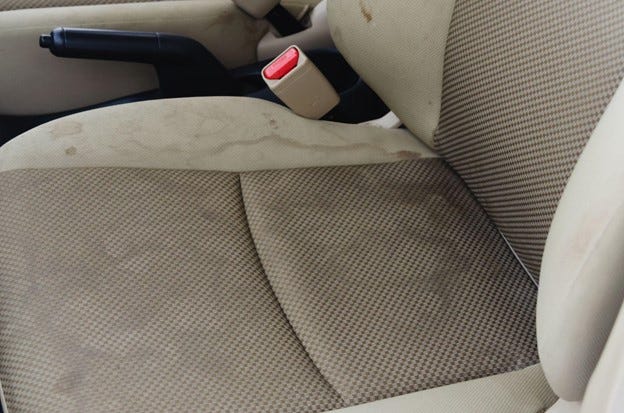
Dry cloth seats thoroughly after cleaning to prevent mold and odors. Use a fan or open windows to speed up drying. Regularly maintain seats by vacuuming and spot cleaning to keep them fresh.
Drying and maintaining cloth car seats is crucial for their longevity. After a deep clean, ensuring seats dry properly prevents damage. Proper drying techniques keep seats fresh and odor-free. Regular maintenance also plays a key role in preserving cloth car seats.
Best Drying Practices
Ensure your car seats are exposed to air. Open the car windows and doors. This allows natural airflow to speed up drying. Use fans if possible. They help circulate air. Avoid direct sunlight. It can fade seat fabric. Instead, choose a shaded area for drying. Pat the seats with a clean, dry towel. This removes excess moisture quickly.
Preventing Mildew And Odors
Mildew can develop in damp environments. Ensure seats are thoroughly dried. Use a dehumidifier in the garage. This reduces moisture levels. Baking soda is effective. Sprinkle some on seats to absorb odors. Let it sit for a few hours. Then vacuum it up. Avoid using strong chemicals. They may damage the fabric.
Regular Maintenance Tips
Consistent care extends seat life. Vacuum seats weekly to remove dirt. Use a gentle fabric cleaner monthly. It keeps the fabric looking fresh. Avoid eating in the car. It prevents food spills and stains. Keep windows slightly open in hot weather. This prevents heat build-up inside. Regularly check for wear and tear. Address small issues immediately.
Credit: www.vanisharabia.com
Tools And Equipment Recommendations
Having the right tools makes deep cleaning cloth car seats easier and more effective. Choosing proper equipment ensures dirt, stains, and odors are removed thoroughly. This section highlights key tools to prepare before starting the cleaning process.
Vacuum Cleaners
A strong vacuum cleaner removes dust and loose debris from seats. Look for models with a crevice tool to reach tight spaces and seams. Cordless vacuums offer flexibility, but corded ones usually have more power. A vacuum with adjustable suction helps protect delicate fabric.
Brushes And Applicators
Soft-bristle brushes gently lift dirt without damaging fabric. Stiff brushes work well on tough stains and ground-in grime. Foam or microfiber applicators spread cleaning solutions evenly. Choose brushes and applicators designed for upholstery to avoid fabric wear.
Steam Cleaners And Extractors
Steam cleaners use hot vapor to loosen dirt and kill bacteria. Extractors spray water and solution, then suction it back with dirt. These machines deep clean and reduce drying time. Portable models fit car interiors easily and provide thorough cleaning.

Credit: www.carsales.com.au
Frequently Asked Questions
How Do I Deep Clean Cloth Car Seats Effectively?
To deep clean cloth car seats, vacuum thoroughly first. Use a fabric cleaner or mild soap solution. Scrub gently with a soft brush. Wipe with a damp cloth and let air dry completely. Avoid over-wetting to prevent mold and odors.
What Household Products Work Best On Cloth Car Seats?
Mild dish soap mixed with warm water works well. White vinegar diluted with water is also effective. Baking soda can remove odors when sprinkled and vacuumed. Always test a small area first to avoid fabric damage.
How Often Should I Deep Clean Cloth Car Seats?
Deep clean cloth car seats every 3 to 6 months. More frequent cleaning is needed if seats get heavy use or stains. Regular maintenance keeps fabric fresh, prevents dirt buildup, and extends seat life.
Can I Use A Steam Cleaner On Cloth Car Seats?
Yes, steam cleaners can sanitize and remove stains safely. Use the lowest steam setting to avoid fabric damage. Keep the nozzle moving to prevent soaking. Allow seats to dry fully before use.
Conclusion
Deep cleaning cloth car seats keeps your car fresh and comfortable. Regular cleaning removes dirt, stains, and bad smells. Use simple tools like a vacuum, mild cleaner, and soft brush. Clean spots quickly to stop stains from setting. Dry seats well to avoid mold and mildew.
A clean car seat looks better and lasts longer. Try these easy steps to care for your car’s interior. Your car will feel nicer every time you ride. Small efforts bring big results. Ready to enjoy a cleaner drive?