Have you ever wondered what really happens when you drive your car through a car wash? You see the brushes spin, the water spray, and the soap foam up, but do you know how all these steps come together to make your car shine?
Understanding how a car wash works can help you choose the best option for your vehicle and keep it looking its best. You’ll discover the simple yet smart process behind every car wash, so next time you visit, you’ll know exactly what’s cleaning your car—and why it matters to you.
Keep reading to unlock the secrets behind that sparkling finish!
Types Of Car Washes
Choosing the right type of car wash can make a big difference in how clean your vehicle gets and how much effort you put in. Each type offers unique benefits depending on how much time you want to spend, your budget, and how gentle you want the wash to be on your car’s paint. Understanding these options helps you pick the best fit for your needs.
Self-service Washes
Self-service washes put you in control. You use high-pressure hoses and brushes to clean your car yourself. This option is budget-friendly and allows you to focus on areas that need extra attention.
However, it requires more effort and time. If you enjoy hands-on work or want to save money, this might be the right choice. Have you ever tried a self-service wash and noticed the difference in how clean your car looked afterward?
Automatic Drive-throughs
Automatic drive-through washes are fast and convenient. You simply drive your car into the machine, and it takes care of the cleaning with spinning brushes and soapy water. This is perfect when you’re in a hurry but still want a decent clean.
Keep in mind, brushes can sometimes scratch delicate paint. If you’re concerned about your car’s finish, ask if the facility uses soft cloth or foam brushes.
Touchless Systems
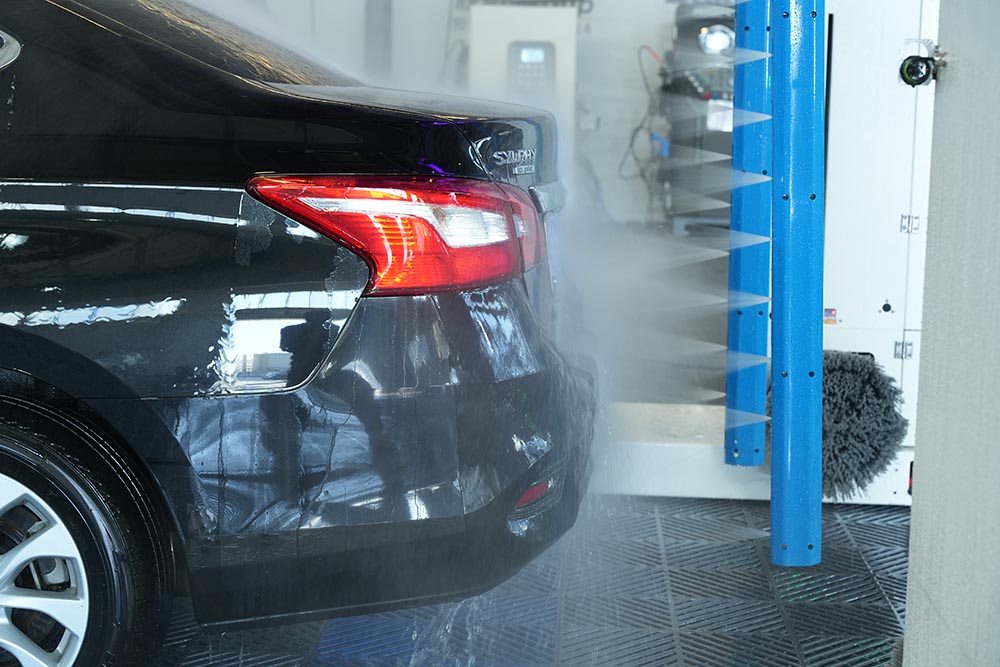
Touchless systems use high-pressure water jets and cleaning chemicals without any brushes. This reduces the risk of scratches or damage to your paintwork. It’s a great choice if you want a gentle yet effective wash.
These systems often cost a bit more but can be worth it for maintaining your car’s appearance. Would you choose a touchless wash to protect your car’s finish better?
Full-service Options
Full-service car washes offer a complete cleaning experience. Staff wash, dry, and sometimes detail your car inside and out. This option saves you time and effort, giving your car professional attention.
It’s ideal if you want a thorough clean without lifting a finger. Next time you’re short on time, consider how much a full-service wash could simplify your routine.
Key Cleaning Stages
Understanding the key cleaning stages of a car wash helps you appreciate how your vehicle gets that spotless shine. Each step targets different types of dirt and grime, working together to restore your car’s appearance effectively. Let’s break down these stages so you know exactly what happens when you drive through a car wash.
Pre-soak And Rinse
The first stage involves soaking your car with water or a special solution. This helps loosen dirt, mud, and bugs stuck on the surface.
During my last car wash, I noticed how the pre-soak made a big difference in softening dried mud patches that usually take extra scrubbing. It’s like prepping your car to make the next steps easier and more effective.
Soap Application
Next, soap or detergent is sprayed onto the vehicle. These soaps are designed to break down oils and grime without damaging your car’s paint.
The foam you see isn’t just for show—it clings to the surface and traps dirt, making it simpler to remove in the scrubbing stage. Have you ever wondered why some car washes use thick foam? It’s all about maximizing dirt removal.
Agitation And Scrubbing
Now comes the scrubbing, where brushes or cloth strips gently clean the car’s surface. This mechanical action removes the loosened dirt and grime effectively.
Some touchless car washes skip this step, relying on high-pressure jets instead. But scrubbing often provides a deeper clean, especially if your car has stubborn dirt.
Rinsing Off Dirt
After scrubbing, your car is rinsed with clean water to wash away soap and dirt residue. This step is crucial to prevent spots and streaks.
Think about times when a poor rinse left soap marks on your car—it’s a clear sign this stage wasn’t thorough enough. A good rinse ensures your car looks smooth and spotless.
Drying Methods
Finally, drying removes water droplets to avoid water spots. Some car washes use powerful air blowers, while others offer towel drying or even hand drying.
Have you noticed how some drying methods leave your car spotless, while others leave streaks? The type of drying used can impact the final shine and feel of your car’s surface.
Equipment And Technology
Understanding the equipment and technology behind a car wash helps you appreciate how your vehicle gets spotless so quickly. These systems combine precision mechanics with smart technology to clean every corner of your car efficiently. Let’s dive into the key components that make this happen.
Spray Nozzles And Brushes
Spray nozzles deliver water and cleaning solutions with high pressure, targeting dirt stuck in hard-to-reach spots. Brushes, often made from soft materials like foam or microfiber, gently scrub the car’s surface without causing scratches. Have you ever noticed how some car washes adjust the brush speed based on your vehicle’s size? That’s smart design ensuring thorough cleaning without damage.
Water Recycling Systems
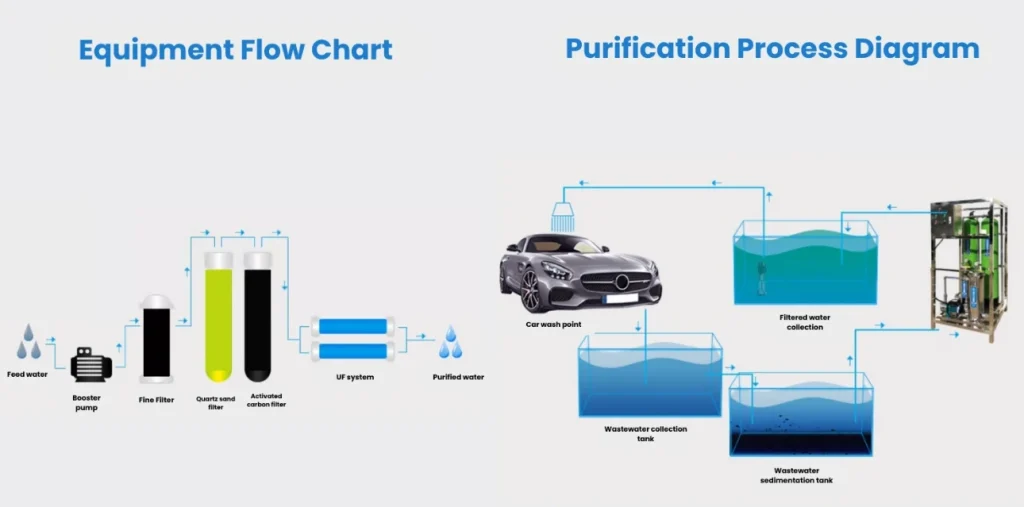
Many modern car washes use water recycling systems to reduce waste. These systems collect used water, filter out dirt and contaminants, then reuse it for the next wash cycle. This not only saves water but also cuts down on operating costs, making your car wash more eco-friendly and affordable. How often do you think about the water saved during your wash?
Detergents And Chemicals
The choice of detergents and chemicals plays a big role in how clean your car gets. They’re specially formulated to break down grease, grime, and road salt without harming your vehicle’s paint. Some car washes offer options like wax or protective coatings, adding an extra layer of shine and protection. Would you consider spending a little extra for these benefits?
Sensors And Automation
Sensors help guide the car wash process by detecting your vehicle’s size and shape. Automation systems use this data to adjust spray angles, brush pressure, and drying time. This technology ensures a customized clean for every car, whether it’s a compact sedan or a large SUV. Next time you drive through, notice how smoothly everything operates without any manual input!

Credit: m.youtube.com
Environmental Considerations
Car washes can impact the environment in many ways. It is important to understand these effects. Many facilities now focus on reducing harm to nature. They use smart methods to save water and energy. They also choose safer products and manage waste carefully. These efforts help protect our planet while keeping cars clean.
Water Usage And Conservation
Car washes use a lot of water to clean vehicles. Some modern systems recycle water to reduce waste. This process saves thousands of gallons each day. Low-flow nozzles also help limit water use. Many places track water carefully to avoid overuse. Efficient water use is key to eco-friendly car washing.
Eco-friendly Cleaning Agents
Traditional soaps can harm plants and animals. Eco-friendly cleaners break down quickly and safely. They use natural ingredients instead of harsh chemicals. These products avoid toxic effects on soil and water. Choosing green detergents supports cleaner water and healthier ecosystems. Many car washes now prefer these safer options.
Wastewater Management
Wastewater contains dirt, oils, and cleaning chemicals. Proper treatment is essential before it returns to nature. Car washes use filters and separators to clean this water. Some facilities send water to treatment plants for full purification. Managing wastewater protects rivers, lakes, and soil. This step reduces pollution and keeps communities safe.
Tips For Optimal Results
Achieving a spotless car wash requires more than just running your vehicle through water. Follow these essential tips for optimal results. These insights help maintain your car’s appearance and ensure a thorough clean.
Choosing The Right Wash Type
Selecting the appropriate wash type is crucial. Automatic washes offer convenience. Hand washes provide a personal touch. Consider your time and budget.
- Automatic Wash: Quick and easy, suitable for regular cleaning.
- Touchless Wash: Minimizes scratches, ideal for delicate surfaces.
- Hand Wash: Offers detailed cleaning, perfect for special occasions.
Preparing Your Car
Preparation enhances wash effectiveness. Remove personal items. Close all windows tightly. Ensure mirrors are folded in.
- Inspect for loose parts. Secure any potential hazards.
- Remove dirt from wheel wells. This improves the wash process.
- Check for grime buildup. Pre-treat tough stains if needed.
Post-wash Care
Proper care post-wash ensures a lasting shine. Dry your car with a microfiber towel. This prevents water spots.
- Apply a protective wax. It adds shine and shields paint.
- Inspect for missed spots. Clean any remaining residue.
- Regularly maintain your vehicle. This keeps it looking its best.
Credit: www.mattiascarwash.com

Credit: www.labrotovap.com
Frequently Asked Questions
How Does An Automatic Car Wash Clean My Vehicle?
An automatic car wash uses rotating brushes, high-pressure water, and soap to remove dirt. Sensors guide the process, ensuring full coverage. The system rinses and dries your car quickly and efficiently, providing a thorough clean without manual effort.
What Are The Main Steps In A Car Wash Process?
A typical car wash includes pre-soaking, washing with soap, scrubbing, rinsing, and drying. Each step targets dirt and grime for a spotless finish. Modern systems often add wax or protectants to enhance shine and protect your car’s paint.
Is A Touchless Car Wash Better For My Car’s Paint?
Touchless car washes use high-pressure water and detergents without brushes. This reduces the risk of scratches and swirl marks. However, they may not remove heavy dirt as effectively as brush-based washes. They are gentler and good for delicate paint finishes.
How Long Does A Typical Car Wash Take?
Most automatic car washes complete the process in 3 to 7 minutes. Time varies based on the type of wash and additional services like waxing. This quick turnaround makes car washes convenient for busy schedules.
Conclusion
A car wash cleans your vehicle quickly and easily. Water, soap, brushes, and dryers work together to remove dirt. Machines and sometimes people help in the process. Regular washing keeps your car looking nice and lasts longer. Knowing how a car wash works helps you choose the best option.
Clean cars also stay safer on the road. Next time you visit, you can appreciate the simple steps involved. A clean car feels fresh and ready for any trip.